Outdoor plumbing repair from the hose bib to the property line.
A dripping hose bib, an irrigation line that lost pressure after monsoon season, a backflow preventer that has not been tested in two years — these are the outdoor plumbing problems Phend Plumbing handles every week across the East Valley. We diagnose what failed, tell you what the repair involves, and give you a written estimate before any work starts. Call (480) 388-6093.
Outdoor plumbing repair in the East Valley covers everything between your house wall and your property line. In Mesa and Gilbert, that usually means hose bibs exposed to 110 degree F summer heat, irrigation supply lines running through caliche-heavy desert soil, and backflow prevention assemblies that Arizona law requires you to test annually. Phend Plumbing handles all of it. If you are trying to figure out what broke and whether it is worth repairing or replacing, this page walks through how each type of outdoor repair gets diagnosed and what the work actually involves. For the full picture of what outdoor plumbing covers and why Arizona conditions accelerate failures, the outdoor plumbing service overview is the place to start.
Hose Bib Repair and Replacement in Arizona Heat
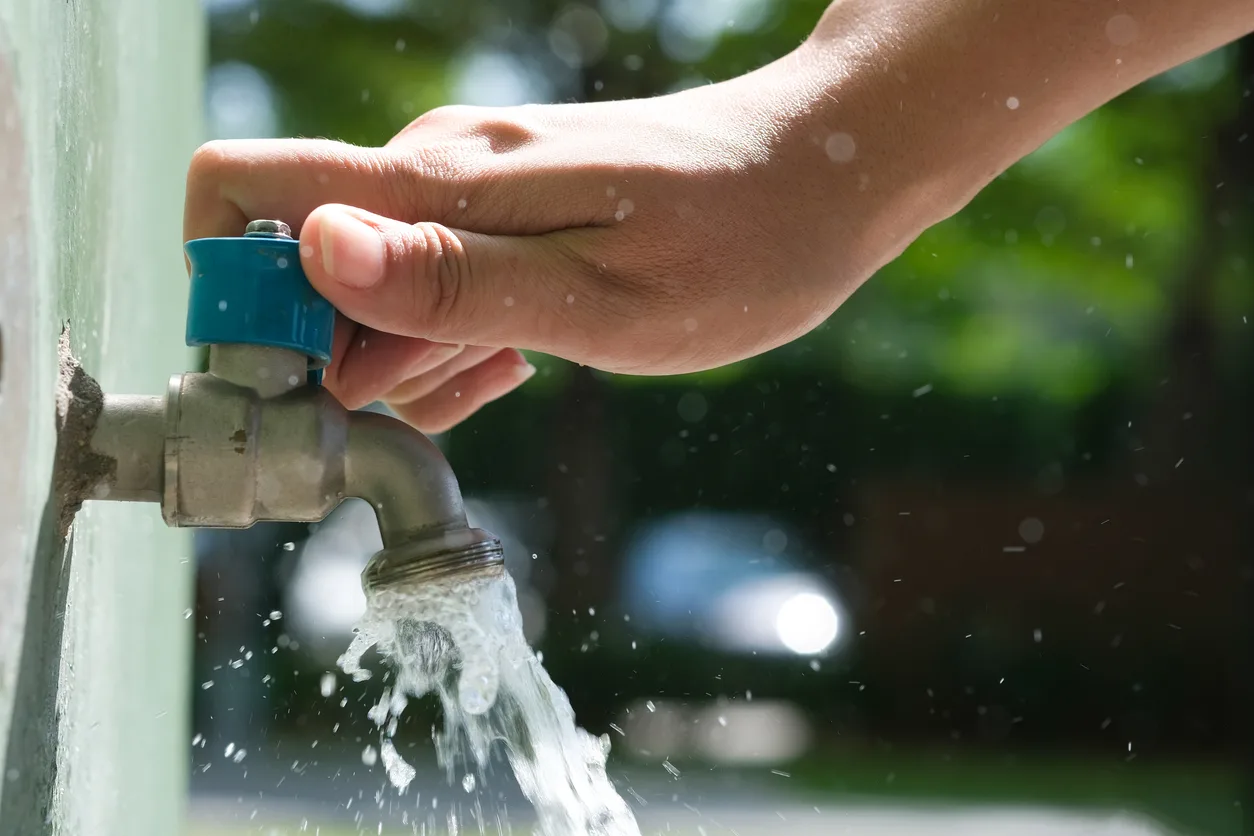
The hose bib is one of the most stressed fixtures on an East Valley property. It sits in direct sunlight, gets opened and closed under full municipal water pressure, and cycles through daily temperature swings that can range from the 80s overnight to above 110 degrees F by mid-afternoon in July. That is a lot of thermal stress on a brass valve body and a threaded wall connection.
The failure mode determines the repair. A hose bib that drips from the spout when fully closed has a worn seat washer or cartridge. The valve body is typically fine, and replacing the internal components resolves the drip. A hose bib that leaks from the packing nut around the stem is usually fixable by tightening the packing nut or replacing the packing. A hose bib that leaks at the wall connection, makes a rattling sound when opened, or shows visible corrosion and mineral buildup on the body needs to come out entirely. At that point you are replacing the valve, not servicing it.
Most East Valley homes have half-inch stub-outs with standard threaded connections, and a hose bib replacement typically takes less than an hour. Older homes built in the 1970s and 1980s in areas like central Mesa and older Gilbert neighborhoods occasionally have three-quarter-inch supply lines to the exterior, which changes the fitting but not the difficulty. If the supply stub-out itself is corroded or has developed a pinhole, the repair extends into the wall to fix the pipe before a new valve goes on. Phend checks the stub-out condition during the estimate visit.
One note on cross-linked outdoor plumbing: if your hose bib feeds a drip irrigation system or a pool fill line, call for a water leak repair diagnostic first if you are unsure whether the leak is at the bib itself or further downstream in the irrigation supply line. They present similarly on a water bill.
Irrigation Main Line Repair and Leak Diagnosis
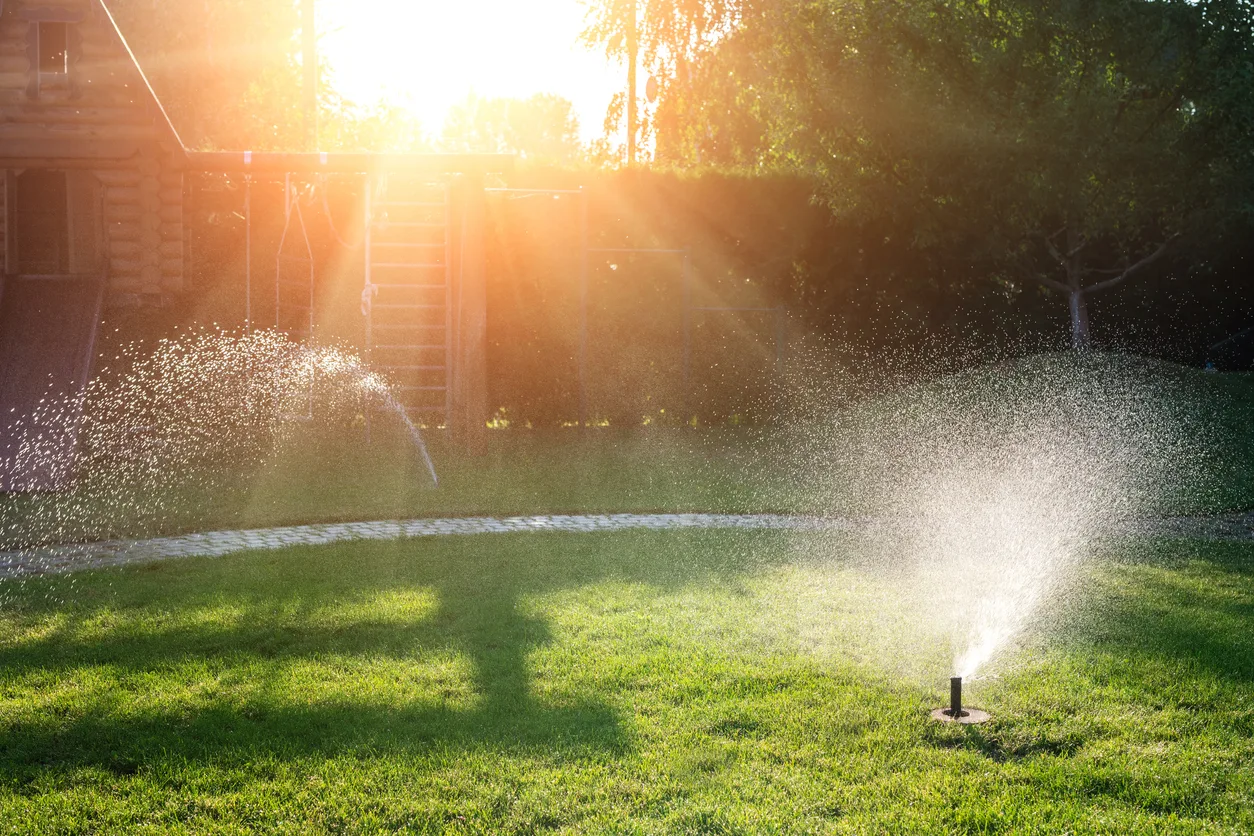
An underground irrigation line that is leaking can be the hardest outdoor plumbing problem to diagnose by eye, because you often cannot see where the water is going until the saturation has been building for weeks. The first signal is usually an unexplained spike in your water bill, a wet patch in the turf that stays soggy without a recent irrigation run, or a drop in pressure at one zone that used to water normally.
Diagnosis starts by ruling out the obvious: check the valve manifold, the timer connections, and the visible section of supply line between the backflow preventer and the first manifold box. If the manifold area and visible fittings look dry and the zone pressures are inconsistent, the problem is likely buried. Phend locates buried irrigation leaks by isolating zones, checking pressure drop rates, and using visual assessment of the saturation pattern in the turf to narrow down the leak zone before any digging starts.
Caliche soil makes excavation harder in the East Valley than in most other markets. Caliche is a calcium carbonate hardpan layer that forms at varying depths across the Phoenix metro, and it takes more labor to dig through than sandy desert soil. That means outdoor excavation estimates in Mesa and Gilbert accurately cost more than the same job in a sandy-soil environment. Phend factors this into every written estimate and tells you upfront what the soil conditions will mean for the job before you commit.
Once the leak location is confirmed, the repair is typically a section replacement or a compression coupling over the damaged section of poly pipe. If the irrigation supply line has reached the end of its service life (PVC lines exposed to direct UV at the surface, or brittle fittings in an older system), a longer replacement run rather than a spot repair is often the more economical solution. Phend gives you both options and the honest rationale for each.
Backflow Preventer Testing, Repair, and Replacement
If your home has an in-ground irrigation system connected to the municipal water supply, it has a backflow preventer. Arizona Administrative Code requires that backflow prevention assemblies on irrigation systems be tested annually by a state-certified backflow tester, with results documented and submitted to the water utility. This is not a suggestion. Municipalities in the East Valley will send non-compliance notices when testing lapses.
Phend performs annual backflow preventer testing with a certified tester. The test involves attaching a gauge set to the test cocks on the assembly and measuring the differential pressure across the check valves and the relief valve opening point. A passing assembly holds pressure within the required tolerances. A failing assembly gets repaired before the job is closed. The test takes about 30 minutes on-site. The documentation goes to your water utility. You get a copy.
The most common failure modes on East Valley backflow preventers are worn check valves that no longer hold pressure, and relief valves that have corroded open from years of monsoon-season cycling and mineral deposits. Both are repairable in most cases. An assembly that has corroded through or has a cracked body needs replacement.
Backflow preventer assemblies sit above grade in most East Valley installations, typically on a vertical riser near the irrigation manifold. They are exposed to full UV and summer heat. Bodies are usually bronze or plastic, and plastic bodies on older installations can become brittle and crack after enough thermal cycling. If your assembly is more than ten years old and has not been serviced, the repair visit is also a good opportunity to assess whether replacement makes more sense than another round of repairs.
Call Phend Plumbing at (480) 388-6093 and ask about annual backflow testing for your East Valley property. If you are not sure whether your system has a backflow preventer or where it is located, we can identify it during the visit.
Outdoor Shutoff Valves and Supply Line Connections
Every outdoor water feature, including hose bibs, irrigation manifolds, pool fill valves, and exterior hose connections, should have its own shutoff valve somewhere accessible between the main supply and the fixture. In the East Valley, those shutoff valves take the same thermal abuse as the hose bibs themselves, and valves that have not been operated in years often seize or fail to fully close when you need them.
Ball valves are the current standard for outdoor shutoffs because they operate with a quarter turn and hold up well to thermal cycling. Older East Valley homes built in the 1970s and 1980s often have gate valves at outdoor shutoff locations, which are more prone to corrosion, incomplete closure, and internal failure after years of non-operation. A gate valve that has been left open for fifteen years and is now corroded may not fully close even if you can turn the handle.
Replacing an outdoor shutoff valve with a quality ball valve is a preventive investment that costs relatively little compared to the alternative: a hose bib or irrigation system failure at 3 AM with no way to stop the water without shutting off the main to the house. Phend replaces outdoor shutoff valves as a standalone job or in combination with a hose bib replacement or irrigation repair. If the shut-off valve is already out for a repair, replacing it at the same time typically adds minimal labor to the job.
Related service: faucet installation and repair covers indoor shutoff valves and fixture replacements, while outdoor shutoffs fall under the outdoor plumbing scope. If you are replacing both indoor angle stops and the outdoor hose bib supply shutoff in the same visit, Phend can combine the work into one trip.
Pre-Project Outdoor Plumbing for Patios, Pools, and Outdoor Kitchens
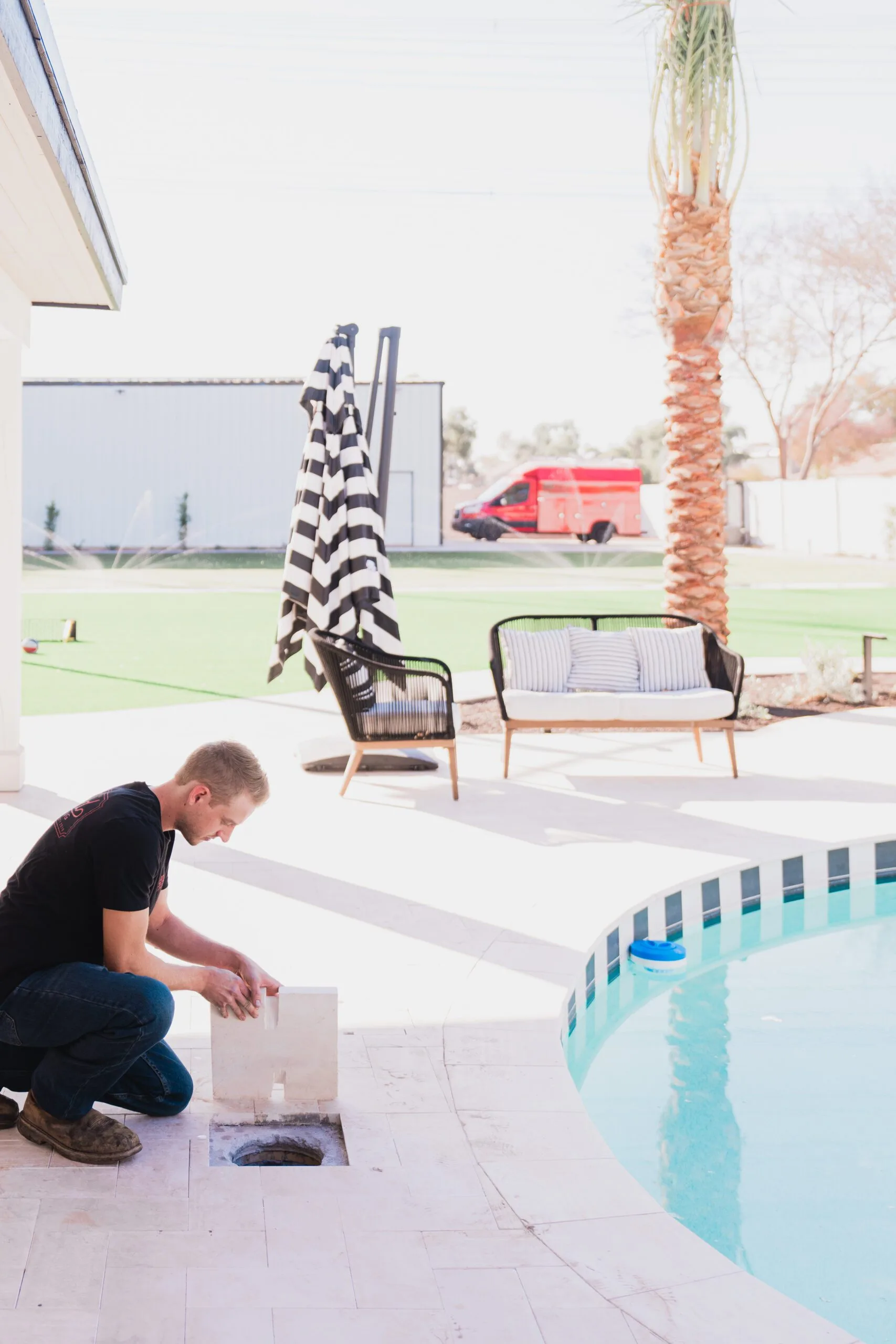
When an outdoor plumbing repair coincides with a larger backyard project, the sequence matters. Concrete patios, pavers, pool decks, and hardscape features lock in whatever plumbing is or is not underground beneath them. If a water supply stub-out is missing or in the wrong location after the hardscape goes down, accessing it requires demolition.
Phend coordinates with landscape and hardscape contractors on East Valley outdoor build projects. The plumbing work, supply line stubs for outdoor kitchens, fill valves for water features, additional irrigation zones, hose bib additions, happens before any surface goes down. The cost to run a line through open desert soil before a patio is installed is a fraction of the cost to cut through finished concrete to reach the same run later.
If you are planning a project that involves outdoor plumbing and are not sure what needs to go in the ground before construction starts, call Phend at (480) 388-6093 and walk us through the plan. We will tell you what the plumbing side involves, what goes in before the concrete, and what can be done after. The conversation is free and the estimate is written.
Call Phend Plumbing for Outdoor Plumbing Repair in Mesa and Gilbert
Phend Plumbing serves Mesa, Gilbert, Chandler, Tempe, Queen Creek, San Tan Valley, Scottsdale, and the broader East Valley for outdoor plumbing repair. Whether you are dealing with a dripping hose bib, an irrigation line that lost pressure after monsoon season, a backflow preventer that is past its annual test due date, or an outdoor project that needs supply lines run before hardscape goes down, the starting point is the same: call (480) 388-6093 and describe what you need. We will schedule a visit, assess the situation, and give you a written estimate before any work begins.
Recent work
Gallery
Common questions
How do I know if my hose bib needs repair or full replacement?
A drip from the spout when the bib is fully closed is usually a worn washer or cartridge and is repairable without replacing the valve. A leak at the packing nut around the stem can often be fixed by tightening the nut or repacking the stem. A leak at the wall connection, visible corrosion on the body, rattling when you open the valve, or a cracked escutcheon all point to full replacement. In the East Valley, hose bibs exposed to 110-degree-F summer heat and direct UV age faster than in moderate climates. If your hose bib is more than ten years old and dripping, it is often more cost-effective to replace the valve than to keep repairing the internals of an aging unit. Phend can assess which applies during the estimate visit. Call (480) 388-6093 to schedule.
What usually causes irrigation line leaks in the East Valley?
The most common causes are fitting stress from caliche soil movement and UV degradation of above-grade PVC fittings. Phoenix metro soil has significant caliche content, a calcium carbonate hardpan that expands when saturated and contracts as it dries. Irrigation lines buried in caliche-heavy soil can shift at fittings after a heavy monsoon season. Above-grade PVC fittings and exposed poly pipe sections degrade faster in the East Valley from the combination of UV intensity and heat. An irrigation system that is ten or more years old may start developing leaks at multiple fittings in a single season. A water bill spike without a change in irrigation schedule is the most reliable early signal of a buried line problem.
How long does a backflow preventer test take, and what happens if it fails?
The on-site test typically takes about 30 minutes. A certified tester attaches a gauge set to the test cocks on the assembly and measures differential pressure across the check valves and the relief valve. If the assembly passes, the test results are documented and sent to your water utility. If it fails, Phend identifies which component is out of tolerance, usually a worn check valve or a corroded relief valve, and repairs it. We retest after the repair to confirm the assembly is passing before we close the job. If the assembly body is cracked or corroded through, replacement is the right call. Call (480) 388-6093 to schedule your annual backflow test.
Does caliche soil make outdoor plumbing repairs more expensive?
Yes, in many cases. Caliche is a hardpan calcium carbonate layer common throughout the Phoenix metro. It is significantly harder to excavate than sandy desert soil, which means outdoor jobs that require digging take more labor. Phend accounts for typical caliche conditions in every outdoor repair estimate and tells you upfront if the job location is likely to involve hardpan that could affect the scope. We do not bury that in the price after the hole is open. If you are comparing outdoor plumbing estimates in the East Valley, make sure each quote has assessed the soil conditions rather than pricing a generic dig.
Can Phend run outdoor plumbing lines before a patio or pool deck goes in?
Yes, and that is the right time to do it. Running a water supply stub-out, an irrigation zone line, or a hose bib supply through open desert soil before concrete or pavers go down costs a fraction of what it costs to excavate through finished hardscape after the fact. Phend coordinates with landscape and hardscape contractors on the project sequence. Call (480) 388-6093 with the details of your project and we will tell you what needs to go in the ground before the surface work starts.
Written estimate before any digging. Then the right repair for your situation.
Dripping hose bib, irrigation line that lost pressure, backflow preventer overdue for its annual test — Phend Plumbing assesses the problem, tells you what is involved, and gives you a written estimate before work starts. No surprises after the shovel goes in the ground.
- Hose bib repair or replacement with supply stub-out check
- Irrigation line leak diagnosis before any excavation
- Annual backflow preventer testing with utility documentation
- Pre-project stub-outs before hardscape goes down
Pete on outdoor plumbing and what Arizona does to it.
Short reads on why East Valley heat, caliche soil, and monsoon runoff accelerate outdoor plumbing failures, and how to catch problems before they become expensive emergencies.

Essential plumbing maintenance tips every homeowner should know.
Hard water, extreme summer heat, and Arizona monsoon season all put your plumbing system under stress that most homeowners do not plan for. Pete covers what to do and when.

Ask Pete: how to maintain outdoor plumbing through an Arizona summer.
Heat, UV, and monsoon pressure spikes stress outdoor hose bibs and irrigation lines more than most homeowners expect. Pete covers the summer maintenance checklist for East Valley properties.
Ask Pete: how do I maintain my outdoor faucets?
Outdoor faucets take more abuse in the East Valley than almost anywhere else. Pete explains what regular maintenance actually involves and when a dripping hose bib crosses the line from service to replacement.