Water leak repair for East Valley homeowners.
A drip under the sink and a hidden line running inside your wall both have the same answer: a Phend-employed technician at your door, fast. We diagnose the source, explain what we found, and fix it the right way the first time. Call us any hour at (480) 388-6093.
If you live in Mesa or Gilbert, water leaks show up in more places than most homeowners expect. The East Valley combination of aging copper supply lines, hard municipal water running 300 to 500 parts per million of dissolved minerals, and the relentless thermal cycling that comes with 110-degree summers means your plumbing is under stress year-round. Phend Plumbing handles water leak repair across the full range, from a dripping supply valve under a bathroom vanity to a pressurized line leaking inside a wall you cannot see. Every visit is handled by our licensed team, and we are available around the clock as part of our emergency plumbing services.
When a water leak is actually an emergency vs. a same-week call
Some leaks need someone at your door within the hour. Others can wait a couple of days without causing meaningful damage. Knowing which situation you are in saves you money and keeps the damage contained.
Act right now if any of these are true. Water is spraying or running freely and you cannot stop it by closing a fixture. You see water coming through a ceiling, which means a supply line or drain above you is failing and the structural materials are already getting wet. The leak is near an electrical panel, appliance wiring, or any outlet. Your water heater is leaking from the tank body itself, not just a fitting. The water meter is spinning fast with every fixture shut off, which means a significant amount of water is going somewhere inside your home.
Schedule for this week if the situation looks like this. A slow drip from a supply line or shutoff valve that has been stable for a few days. A compression fitting or braided hose under a sink that is weeping rather than spraying. A small stain on a ceiling that has not grown. A hose bib that drips a few drops per minute when the handle is closed.
The difference between these categories is the rate of ongoing damage. Fast or uncontrolled water gets into structure quickly and creates mold conditions within 24 to 48 hours. A slow, stable drip damages mostly at the drip point and can be contained with a towel while you wait.
When you call Phend at (480) 388-6093, tell us what you are seeing and we will tell you honestly whether you need someone tonight or whether a scheduled visit makes more sense.
The most common leak locations in East Valley homes
Most water leaks fall into a predictable set of locations. Understanding where to look first saves time during diagnosis.
Under-sink supply and drain connections. The flexible braided hoses connecting shutoff valves to faucets, dishwashers, and refrigerator ice makers degrade over time. The plastic compression fittings at both ends are a common failure point. These leaks are usually visible when you open the cabinet door, though they sometimes pool in the back corner and go unnoticed for weeks.
Water heater connections and pressure relief valve. The inlet and outlet fittings on a water heater take thermal stress from thousands of heating cycles. A weeping connection at the top of the tank is common, especially on units more than eight years old. The temperature and pressure relief valve sometimes discharges to a floor drain, which means it can be releasing water intermittently without any obvious sign until the valve seat wears out completely.
Washing machine supply hoses and box. The standard rubber hoses on a washing machine are the most commonly overlooked failure risk in a home. Rubber degrades, and when these hoses let go, they often do it all at once. The recessed washing machine box in the wall also accumulates slow drips from the supply valves inside it. If you have not looked inside that box in a few years, it is worth checking.
Hose bibs. Exterior faucets see more thermal cycling than almost any other fixture in an Arizona home. Temperatures swing from below freezing on a January night to 115 degrees in July. That range causes the packing and seat inside the valve to wear faster than interior fixtures. A dripping hose bib typically needs a new seat washer or full replacement.
Hidden supply lines in walls and ceilings. These are the leaks that do not announce themselves visibly. You notice a soft spot in drywall, a ceiling stain that grew, or a musty smell in a room that should not have moisture. The source is usually a pinhole leak in a copper supply line or a failed fitting inside the wall cavity. East Valley hard water and thermal cycling are the two main drivers of pinhole copper failures in homes built before 2000.
Slab supply lines. If you see the meter moving with everything off and cannot find a visible leak anywhere above floor level, the source may be below the slab. Our slab leak detection service uses acoustic and thermal equipment to locate these precisely before any concrete is opened. Slab leaks are a distinct diagnosis and repair process from above-grade leak repair.
How Phend diagnoses a hidden water leak
When a leak is not visible, diagnosis is the first job. A technician guessing and cutting drywall in the wrong location wastes your money and your wall. Phend uses a layered diagnostic approach to confirm where the water is actually coming from before any demo work starts.
Water meter test. This is always the starting point for any suspected supply-side leak. We shut off every fixture, valve, and appliance and watch the meter indicator. If it is moving, water is leaving your system. If it stops after we close the main, the leak is on your side of the meter, not the city main. This confirms the leak exists and whether it is on the hot or cold supply line.
Visual and access inspection. We check every accessible supply connection, valve, and fitting first. Under-sink cabinets, the water heater enclosure, the washing machine box, and any cleanout access points along the supply runs. Most leaks that homeowners think are hidden turn out to be visible from an access point they did not know to check.
Moisture meter. A moisture meter pressed against drywall, baseboard, or flooring reads the moisture content inside the material without opening anything. A reading above baseline tells us which wall cavity, floor section, or ceiling bay is holding water. We can trace the wet zone and narrow down where the source pipe runs.
Acoustic listening. For pressurized supply line leaks inside walls, acoustic listening devices pick up the sound of water escaping the pipe under pressure. The signal gets stronger as we move closer to the source. This is the same technology used in slab leak detection and it works on above-slab lines as well.
Thermal imaging. A cold water line leak inside a wall creates a temperature difference that an infrared camera can see through the drywall surface. A hot water leak shows the opposite signature. Thermal imaging is particularly useful in Arizona homes where the ambient temperature differential between a leaking pipe and the surrounding wall material is often significant.
By the time we recommend any opening in a wall or ceiling, we have confirmation from at least two of these methods. We tell you what we found, where the leak is, and what we need to do to access it before any demo work starts.
What we fix on the same visit vs. what needs a follow-up
Most leak repairs are completed the same day. Here is what determines whether the work is finished on the first visit.
Same-visit repairs. Supply line replacements under sinks, toilets, and appliances. Shutoff valve replacements. Hose bib repairs and replacements. Compression fitting failures at accessible connections. Water heater inlet and outlet connection repairs. Pressure relief valve replacements. Most single-point copper line repairs where the pipe is accessible from an existing opening.
Repairs that may need a follow-up visit. When a pipe is confirmed to be leaking inside a wall or ceiling, same-day repair is usually possible for a single section of pipe, but if we open the wall and find a longer run of failing copper, a full reroute or repipe of that zone may be the better repair. That is a conversation we have with you before any additional work starts, not a surprise at the end of the visit. If your homeowners insurance needs to be involved before significant demo work proceeds, we document the finding, give you a written report, and you call your carrier before we schedule the repair.
Phend carries common supply fittings, braided hose sizes, shutoff valves, and hose bib hardware on every service truck. For most above-grade supply line repairs, we are not making a parts run while your leak waits.
Shutting off the water until we arrive
If you have an active leak and we are on the way, the right move in most cases is to shut off water to the affected area rather than all water to the whole house. Here is how to handle the most common situations.
Under-sink leak. Turn the shutoff valve behind the supply hose clockwise until it is fully closed. Most sinks have two valves, one for hot and one for cold. Close both. If the valve itself is the leak source, close the main supply valve instead.
Toilet leak. Turn the valve at the base of the toilet clockwise. Do not force it if it has not been turned in years. If it does not close fully, use the main shutoff.
Water heater leak. Close the cold inlet valve at the top of the tank. This cuts the water feeding into the heater. If the tank body is leaking, close the main supply and call us immediately.
Washing machine. Close both the hot and cold supply valves behind the machine.
Hidden wall or ceiling leak. If you have confirmed a leak inside a wall but cannot isolate it to a single shutoff, close the main supply valve at the meter or at the main shutoff inside the home. The main shutoff is typically near the front of the house where the supply line enters the foundation, or inside a utility closet.
Hose bib or outdoor line. Turn the hose bib handle closed. If it does not stop the drip, close the interior shutoff that feeds the outdoor line. Most East Valley homes have a dedicated shutoff for outdoor hose connections inside the garage or utility room.
Do not leave a wall or ceiling leak running while you wait for a plumber. Even a small but steady drip will saturate drywall and insulation quickly, turning a simple pipe repair into a drywall and mold remediation job. Call (480) 388-6093 if you are not sure which valve to use. We can walk you through the shutoff while you wait.
Coordinating with your homeowners insurance
If you discover a leak that has been running long enough to cause visible water damage to walls, floors, or ceilings, your homeowners insurance may cover part of the repair cost. Understanding how to approach this before you start tearing into walls makes the process a lot smoother.
Most standard homeowners policies in Arizona cover sudden and accidental water damage. A supply line that failed and caused visible damage typically qualifies. What policies generally do not cover is the pipe repair itself, which is treated as a maintenance item, or damage resulting from a leak that was known and ignored for an extended period.
The right sequence is to document the damage before any cleanup or demo work, call your insurance carrier to report the claim and get a claim number, then let Phend proceed with the repair using a written scope of work your adjuster can review. Doing the demo first and calling insurance second makes it harder to establish the cause and sequence of events.
Phend provides a written report after any diagnostic visit that includes the location of the leak, the likely cause, and the scope of repair needed. That document is formatted to be useful to an insurance adjuster. We can also note the extent of visible water damage in our report if the adjuster asks for plumber documentation to support the claim.
If the repair involves significant demo and restoration work alongside the plumbing repair, you may also be working with a general contractor or restoration company. Phend focuses on the plumbing side of the repair and communicates clearly with any other contractors involved so the scope does not overlap or create confusion about what each trade is responsible for.
After-hours response across the East Valley
Phend Plumbing answers calls around the clock. When you call (480) 388-6093 at 1 AM because a washing machine supply hose just let go, you reach a Phend dispatcher, not an answering service. A technician is dispatched from our Mesa or Gilbert base and on the way to you.
Our after-hours response covers all twelve cities in our East Valley service area, including Mesa, Gilbert, Chandler, Tempe, Scottsdale, Queen Creek, San Tan Valley, Apache Junction, Fountain Hills, Gold Canyon, Ahwatukee, and East Phoenix. Response time varies by location, but no part of our service area is more than about 30 minutes from one of our two offices.
Every after-hours call gets the same fully stocked service truck and the same standards you expect from Phend. The person who shows up at your door is licensed, knows our standards, and is accountable to Phend Plumbing directly.
If the leak situation turns out to involve flood damage cleanup beyond the plumbing repair itself, Phend coordinates that transition so you are not left managing two separate companies at 2 in the morning.
Call Phend Plumbing for water leak repair in the East Valley
Phend Plumbing serves Mesa, Gilbert, Chandler, Tempe, Queen Creek, San Tan Valley, Scottsdale, Apache Junction, Fountain Hills, Gold Canyon, Ahwatukee, and East Phoenix. Call (480) 388-6093 any time, day or night, and tell us what you are seeing. We will give you a straight answer about what is going on and get a technician to you fast.
Recent work
Gallery


Common questions
How do I know if the leak is coming from a pipe in the wall vs. a fixture connection?
Start by closing the shutoff valves at every visible fixture in the room where you see moisture. If the dripping or staining stops, the source is at a fixture connection, not inside the wall. If it continues with every valve closed, or if you cannot trace the moisture to any visible connection point, the leak is most likely inside the wall cavity or behind a surface you cannot see. At that point, call Phend Plumbing at (480) 388-6093. We use moisture meters and acoustic listening equipment to locate the source without opening the wrong section of wall.
Do I need to know where the leak is before I call?
No. Most homeowners who call us about a water leak have no idea exactly where it is coming from, and that is fine. Describing what you are seeing is enough to get started: a stain on a ceiling, a wet cabinet floor, a water bill that jumped. Our technician arrives with the diagnostic equipment to find the source. You do not need to have done any investigation before calling.
Will you have to cut my drywall to find or fix the leak?
Not always. We run through non-invasive diagnostics first, including moisture meter readings and acoustic listening, before any wall is opened. In many cases, a leak inside a wall can be accessed through a small access cut rather than a full panel removal. If we do need to open drywall, we mark the cut location precisely based on confirmed leak location data, not guesswork. We tell you exactly where we need to cut and why before any demo work starts. The scope of opening depends on the pipe location and what repair is needed once we reach it.
What about leaks behind tile, like in a shower wall or tub surround?
Leaks behind tile are one of the more difficult diagnostic situations because the tile and mortar bed trap moisture and can make it hard to isolate the source. Phend uses thermal imaging and moisture meter readings to determine whether the moisture is coming from the supply side (a pressurized line) or the drain side (grout failure, a cracked liner, or a loose shower pan). The repair approach is different for each. If the source is a supply fitting behind the tile, some tile will likely need to come off to reach it. We walk you through the access plan and restoration implications before any tile is removed.
Can you find a leak the water meter test did not catch?
Yes. The meter test confirms an active supply-side leak, but it does not catch every situation. Drain-side leaks, which come from drain pipes rather than pressurized supply lines, do not show up on the meter test at all because drain water is not metered. A shower pan that is leaking into the floor structure, a drain connection that is weeping, or a wax ring failure under a toilet all fall into this category. If your meter test came back clean but you still have visible moisture, staining, or musty odor, the source is likely on the drain side. Phend diagnoses both supply and drain leaks.
How much demo will be required to make the repair?
It depends entirely on where the leak is. A supply valve replacement under a sink requires zero demo. A pinhole leak in a copper line inside a wall requires opening the drywall at the leak point, which is typically a 12 to 24 inch cut. If the damaged section is long or if the pipe run is in a difficult location, the access cut may be larger. Phend discusses the expected scope of demo with you before any work starts and gives you a written estimate that includes restoration if drywall patching or other finish work is part of the repair.
Does Phend warranty water leak repairs?
Yes. All Phend repair work comes with a written warranty that we specify in your estimate before work starts. The warranty covers the repair itself and the parts installed. It does not cover failures at unrelated points in the same plumbing system. If you have a copper supply line that failed due to hard water corrosion and we repair that section, the warranty covers the repair point. If another section of the same aging pipe fails elsewhere later, that is a separate issue. We will always tell you honestly if the pipe condition we find during a repair suggests the rest of the run is at risk, so you can make a decision about a broader repair or repipe before the next leak shows up.
How quickly can Phend schedule a water leak repair visit?
For active leaks, we respond 24 hours a day, 7 days a week. For slow or stable leaks that are not causing ongoing damage, same-day or next-day scheduling is typically available across the East Valley. Phend operates from two offices in Mesa and Gilbert and covers the full 12-city service area, so a technician is usually not far from your location. Call (480) 388-6093 to describe your situation and we will tell you the honest availability window.
Licensed technicians, one company accountable.
Every water leak repair visit is a Phend-employed technician on a fully stocked truck. We diagnose with equipment, not guesswork, and give you a written scope before any demo work starts. Available 24/7 across Mesa, Gilbert, and the full East Valley.
- Moisture meter, acoustic, and thermal imaging diagnosis
- Written scope of work before any wall is opened
- Same-visit repair on most above-grade supply leaks
- Available 24/7 across the East Valley
Pete on leaks, water damage, and East Valley pipes.
Short reads from Pete on diagnosing where a leak is really coming from, what to do when a plumbing problem turns into water damage, and how East Valley homes spring leaks in the first place.
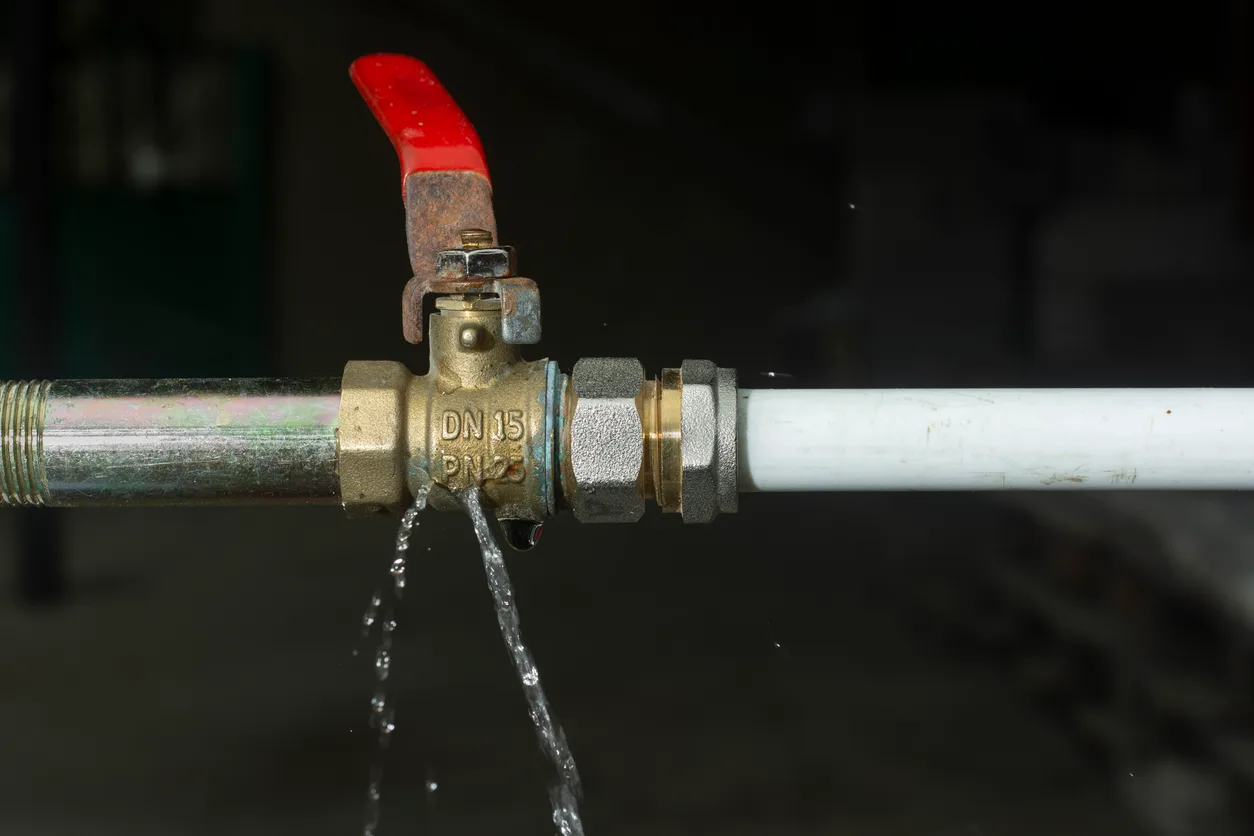
Pipe leak repair: practical advice for every homeowner.
Not every pipe leak is a crisis, but all of them need a plan. Pete walks through how to assess the situation, shut off the right valve, and know when to call a plumber the same hour.


Emergency plumbing guide: what to do when problems arise.
A pipe burst, a leak in the ceiling, a water heater that just let go. This guide covers the first 30 minutes so you limit damage while you wait for a Phend technician to arrive.
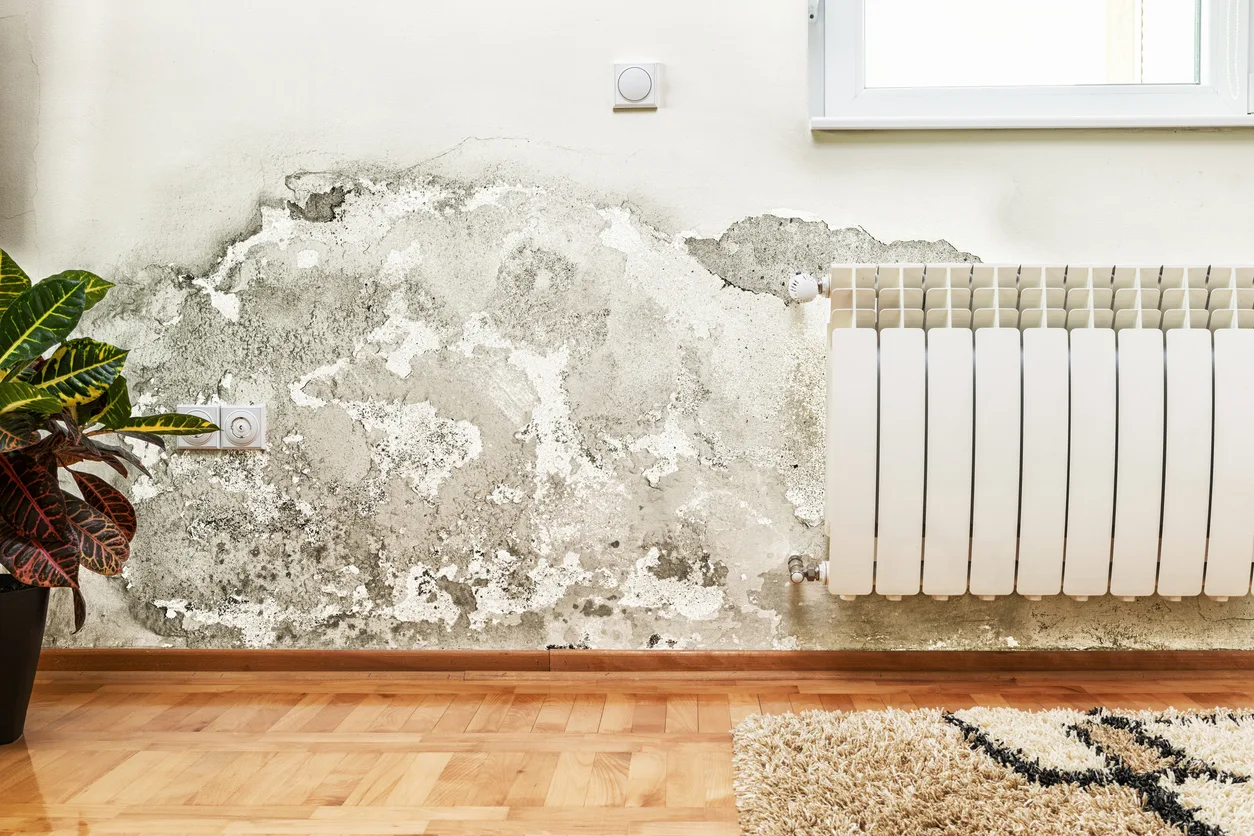
Slab leak repair: protect your home foundation.
A supply line leaking below the concrete slab is one of the most stressful discoveries an East Valley homeowner can make. Here is what the repair process actually looks like from diagnosis to patched floor.