East Valley water is hard, and it shows up on every fixture.
Mesa publishes water hardness of 12 to 22 grains per gallon. Gilbert averages 8 to 10. Either way, you have hard water, and it coats tankless heat exchangers, spots glass, clogs aerators, and shortens the life of everything water touches in your home. Phend Plumbing starts with a free in-home water test and recommends only what your water actually needs.
Two water treatment services. One free test to know which fits.
Phend runs a free in-home water test before recommending any treatment system. That means the softener or filtration unit we install is sized to your actual water chemistry, not a generic guess. From a whole-home water softener for 300-plus ppm hardness to an under-sink reverse osmosis system for your kitchen tap, every recommendation comes with a written quote before any work starts.
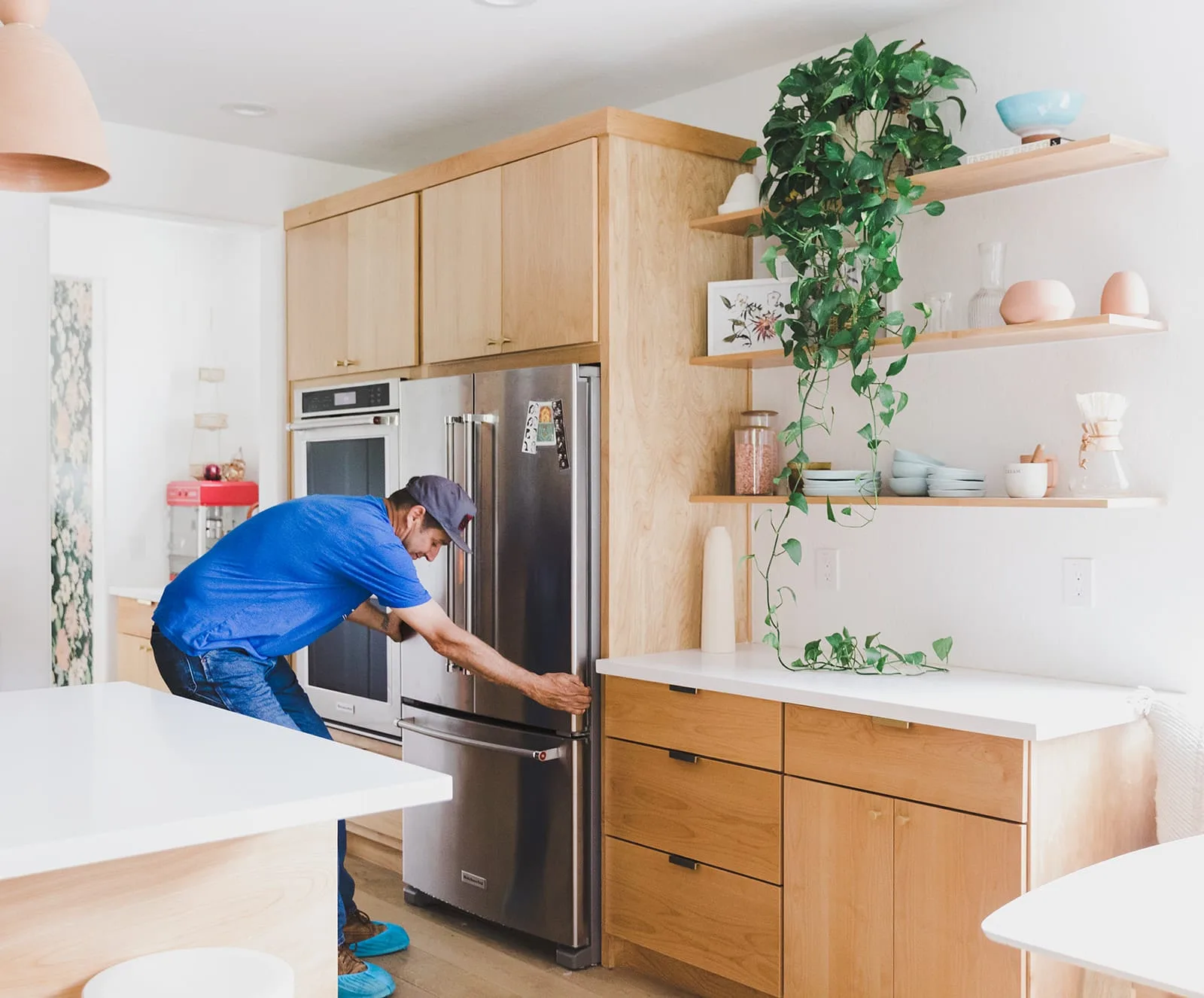
Water Filtration & RO
Whole-home carbon filtration and under-sink reverse osmosis. Removes the chlorine and chlorine-dioxide residuals from Mesa and Gilbert municipal water, plus the dissolved solids that affect taste at the kitchen tap.
Learn more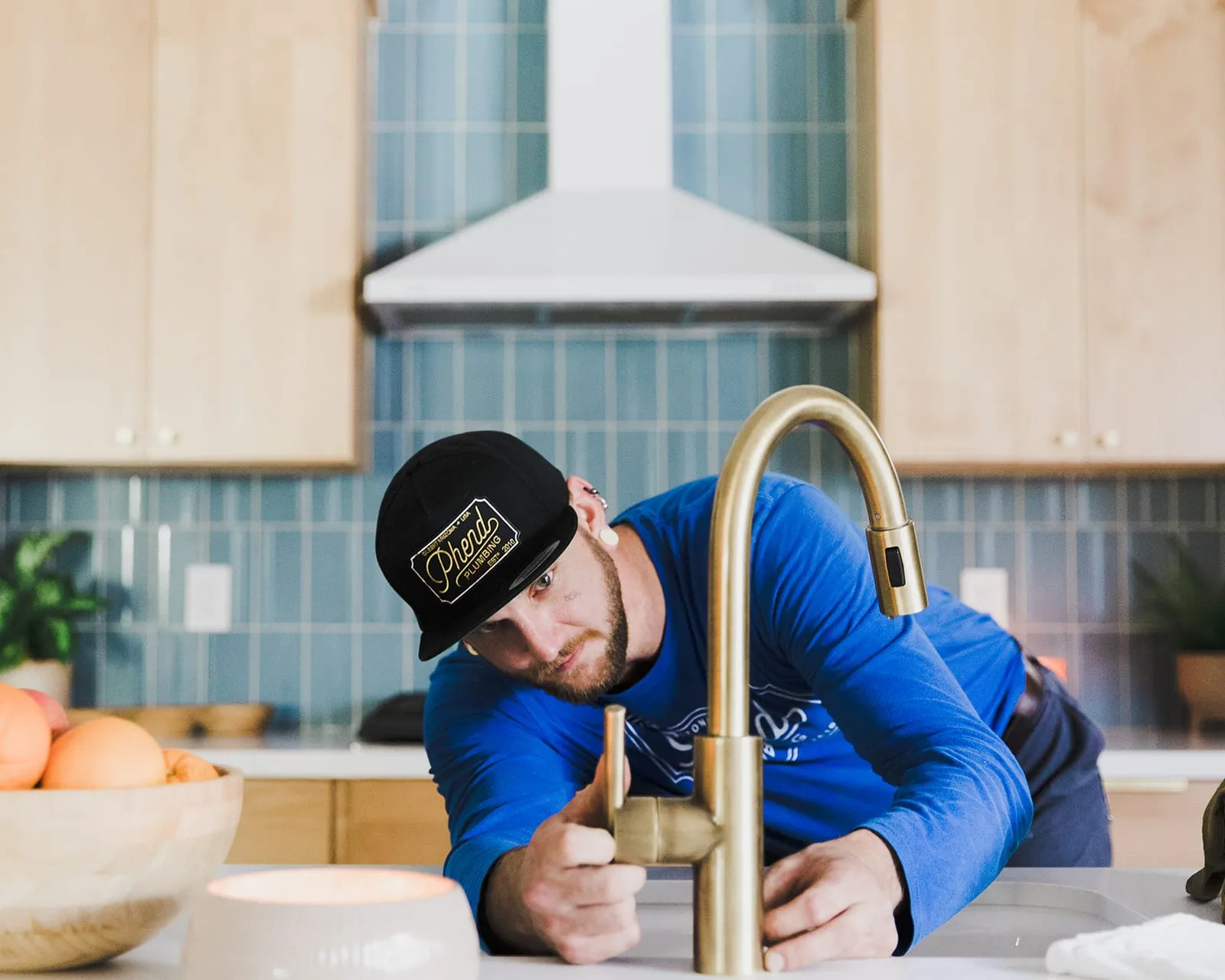
Water Softener
Whole-home water softener sized for East Valley hard water (Mesa 12 to 22 gpg, Gilbert 8 to 10 gpg per the cities published reports). Protects fixtures, pipes, and water heater investments from accelerated scale buildup.
Learn moreHow to choose the right water treatment system for your East Valley home.
Most East Valley homeowners are dealing with one of the hardest municipal water supplies in the country. Here is a straightforward path from symptoms to the right solution.
Recognize the signs of hard water in your home
White crusty deposits around faucet aerators, showerheads, and the base of your toilet are the most visible signs of hard water scale. Spots on glassware and shower doors that will not wipe off, soap that does not lather well, and a film left on your skin after showering are also classic hard water indicators. If your tankless water heater is losing efficiency or throwing error codes sooner than expected, scale buildup inside the heat exchanger is often the cause. The City of Mesa reports tap water hardness of 12 to 22 grains per gallon depending on source area. The Town of Gilbert reports an average of 8 to 10 grains per gallon. Both qualify as hard water by federal classification, and Mesa upper range is very hard. Call Phend Plumbing at (480) 388-6093 and we can schedule a free in-home water test to measure your actual hardness level before recommending anything.
Get a free in-home water test
A water test takes 30 to 45 minutes and measures the hardness, pH, total dissolved solids, chlorine level, and any other parameters relevant to your water source. Phend performs this test at your home at no charge. The results tell you exactly how hard your water is and whether filtration, softening, or both make sense for your situation. Mesa adds chlorine and chlorine dioxide at the treatment plant. Gilbert uses ozonation plus chlorination. Both treatment processes leave residual disinfectants and trace byproducts that can vary seasonally and by distance from the plant. A test gives you real numbers from your tap instead of assumptions.
Decide if a whole-home water softener is the right first step
If your water tests above about 7 grains per gallon (120 ppm hardness), a whole-home ion-exchange water softener is the most effective way to prevent scale from forming throughout your plumbing system. The softener exchanges calcium and magnesium ions for sodium ions, producing water that does not leave mineral deposits on fixtures, pipes, or appliances. At the 8 to 22 gpg range the East Valley sees across Mesa and Gilbert, a properly sized softener can meaningfully extend the life of your tankless water heater, washing machine, dishwasher, and any fixture with an aerator or screen. The key word is sized: a unit that is too small for your household water use will run out of softening capacity before the next regeneration cycle and leave hard water flowing through the system.
Add whole-home filtration if chlorine taste or odor is a concern
Water softeners remove hardness minerals but they do not remove chlorine, chlorine dioxide, or other disinfectant residuals that give municipal water a chemical taste or smell. Mesa adds chlorine plus chlorine dioxide at the plant. Gilbert uses ozonation plus chlorine. Whole-home carbon filtration installs at the point where water enters your home and treats every tap in the house, including showers and washing machines. This step is optional and depends on what your water test shows. Some East Valley homeowners find that a softener alone addresses their main concerns. Others want both softer water and better-tasting water at every fixture.
Consider an under-sink reverse osmosis system for drinking water
A reverse osmosis (RO) system under the kitchen sink pushes water through a semipermeable membrane that removes dissolved solids, nitrates, fluoride, heavy metals, and most other contaminants to levels far below what any whole-home system achieves. The result is bottled-water quality at your kitchen tap and through a dedicated dispenser. An RO system is the right choice when you want the highest possible drinking water quality in a specific location, such as the kitchen sink or a refrigerator line. RO systems require periodic filter and membrane replacement, and Phend can set up a maintenance schedule so you never forget.
Protect your tankless water heater investment with a softener
If you have a tankless water heater or plan to install one, pairing it with a whole-home water softener is the single most effective thing you can do to protect that investment in the East Valley. Tankless heat exchangers have narrow water passages that scale up fast at Mesa hardness levels of 12 to 22 grains per gallon. Even Gilbert water at 8 to 10 gpg is hard enough to scale a tankless unit over time. Scale reduces heat transfer efficiency, forces the burner to run longer, and eventually causes the unit to fail before its rated service life. Phend services both the water treatment side and the water heater side, so we can evaluate your current setup and recommend a system that works together. Call us at (480) 388-6093 to schedule a free water test and we will walk you through the numbers.
Not sure what is in your water? The test is free.
Most East Valley homeowners guess at their water quality based on what they can see or taste. Phend Plumbing brings a water test to your home at no charge and gives you real hardness and chemistry numbers before recommending any system. Book a free water test and you will know exactly what you are dealing with.
A water test first. A system sized to your chemistry.
Two offices, Mesa and Gilbert. No national brand quotas. Every system recommendation is based on what your water test actually shows, not a standard package.
Free in-home water test, no pressure
Phend does not sell water treatment systems without testing your water first. We bring the test equipment to your home, run the test while you watch, and show you the results before recommending anything. If your water does not need treatment, we tell you that. If it does, you see exactly what the numbers are and why a particular system fits. No high-pressure sales pitch. Just data.
Sized for East Valley water chemistry
Water softeners are rated in grains-per-gallon capacity, and the right size depends on your household water use and your actual hardness number. At the 8 to 22 gpg range the East Valley sees (Gilbert lower, Mesa higher), homes need a softener sized for that load, not a builder-grade unit that runs out of capacity mid-week. Phend calculates capacity based on your water test results and your household size. An undersized softener passes hard water. We make sure yours does not.
Protects your water heater investment
A whole-home water softener is the best protection you can buy for a tankless water heater in the East Valley. Phend installs and services both, which means we size the softener with the water heater in mind. When you call about a tankless descale, we look at whether a softener would eliminate the need for annual descaling entirely. That kind of whole-system thinking is easier when one company handles both sides of the problem.
Ongoing maintenance you can count on
Water softeners need salt replenishment, resin bed checks, and occasional valve service. RO systems need filter and membrane replacement on a schedule. Phend sets up a maintenance plan so these tasks do not slip through the cracks. You get a reminder, we show up, and your system keeps performing. Call (480) 388-6093 and ask about our water treatment maintenance plans for Mesa and Gilbert homeowners.
You have questions. We have answers.
Straight answers to the questions Mesa and Gilbert homeowners ask most often before scheduling a water treatment consultation.
What water treatment services does Phend Plumbing offer?
Phend covers the full range of residential water treatment for the East Valley. That includes whole-home ion-exchange water softeners sized for Mesa hardness of 12 to 22 grains per gallon and Gilbert hardness of 8 to 10 gpg, whole-home carbon filtration that removes the chlorine and chlorine dioxide residuals municipal treatment leaves behind, and under-sink reverse osmosis systems for kitchen drinking water. Every job starts with a free in-home water test so you know what your water chemistry actually looks like before any equipment is recommended or purchased.
How hard is the water in Mesa and Gilbert?
The City of Mesa publishes water hardness of 12 to 22 grains per gallon, depending on which source area serves your address. The Town of Gilbert publishes an average of 8 to 10 grains per gallon. Converted to ppm as calcium carbonate, that puts Mesa roughly between 205 and 376 ppm, and Gilbert roughly between 137 and 171 ppm. Both qualify as hard water by federal classification, and Mesa upper range is very hard. The exact level varies by season and which water source the city is blending at a given time between Salt River Project surface water, Central Arizona Project Colorado River water, and groundwater wells. A Phend in-home water test gives you the current number for your specific tap, which is the only reliable way to size a softener or decide what treatment makes sense.
What is the difference between a water softener and a water filter?
A water softener uses an ion-exchange process to remove calcium and magnesium ions, the minerals that cause scale. It does not remove chlorine, chlorine dioxide, or dissolved solids the way a filter does. A carbon filter removes chlorine and chlorine dioxide taste and odor, certain disinfectant byproducts, and sediment, but it does not soften hard water. An RO system removes a much broader range of dissolved contaminants, including minerals, nitrates, and heavy metals, but it operates at a single point of use rather than treating the whole house. Many East Valley homeowners benefit from a softener paired with an under-sink RO: the softener protects the plumbing and appliances, and the RO provides high-quality drinking water at the kitchen tap.
Will a water softener damage my pipes or plumbing?
No. A properly installed and sized water softener will not damage residential plumbing. Softened water is actually gentler on pipes and fixtures than hard water because it does not deposit mineral scale inside supply lines, inside water heaters, or on the internal parts of faucets and aerators. One note: older homes with lead solder in copper joints should use an RO system for drinking water rather than relying on softened tap water, because softened water can slightly increase the leaching rate from older solder joints. Phend will flag that if your home age makes it relevant.
How does hard water affect my tankless water heater?
Tankless water heaters heat water by passing it through a narrow heat exchanger. At Mesa hardness levels of 12 to 22 grains per gallon, and even at Gilbert 8 to 10 gpg, calcium and magnesium carbonate deposits build up on those narrow passages over time, reducing heat transfer efficiency and eventually blocking flow. The result is higher energy bills, slower hot water delivery, and a shorter unit lifespan. Annual descaling removes existing scale buildup, and a whole-home water softener prevents new scale from forming. Phend handles both the descaling service and the softener installation, and we can evaluate which approach or combination makes the most economic sense for your home. Call (480) 388-6093 to start with a free water test.
What does a reverse osmosis system filter out?
A properly maintained reverse osmosis system removes the large majority of total dissolved solids, including calcium, magnesium, sodium, nitrates, fluoride, arsenic, lead, and chlorine and chlorine-dioxide residuals. Most quality RO systems achieve rejection rates of 95 percent or better for dissolved minerals. What comes out of the RO tap is water that is very close to pure H2O with trace minerals remaining. Filter and membrane replacement on schedule is important: an overdue membrane stops performing and the water quality drops. Phend includes a recommended maintenance schedule with every RO installation.
How often does a water softener need maintenance?
The main ongoing task is keeping the brine tank filled with the correct salt. How often you add salt depends on your water hardness and household water use, but East Valley homes (Gilbert 8 to 10 gpg, Mesa 12 to 22 gpg) go through salt faster than homeowners in softer-water markets. Beyond salt, the resin bed should be inspected every few years and the control valve serviced periodically to make sure regeneration cycles are running correctly. Phend can set up a maintenance schedule based on your system and usage so you do not have to track it yourself. Call (480) 388-6093 and ask about our water treatment maintenance plans.
What does a water treatment system cost in the East Valley?
Cost varies by system type, size, and your home specific water chemistry. A whole-home water softener, a carbon filtration system, and a reverse osmosis unit are three different products with different installation requirements and price points. Phend does not quote water treatment equipment over the phone without a water test because recommending the wrong system size wastes your money. The free in-home water test is the starting point, and you will receive a written quote for any recommended equipment and installation before we do any work. Call (480) 388-6093 to schedule your free water test.
Pete on hard water and East Valley water quality.
Short reads on what East Valley hard water actually does to your home (Mesa 12 to 22 gpg, Gilbert 8 to 10 gpg), when a softener pays for itself, and how to protect a tankless water heater investment in Arizona.
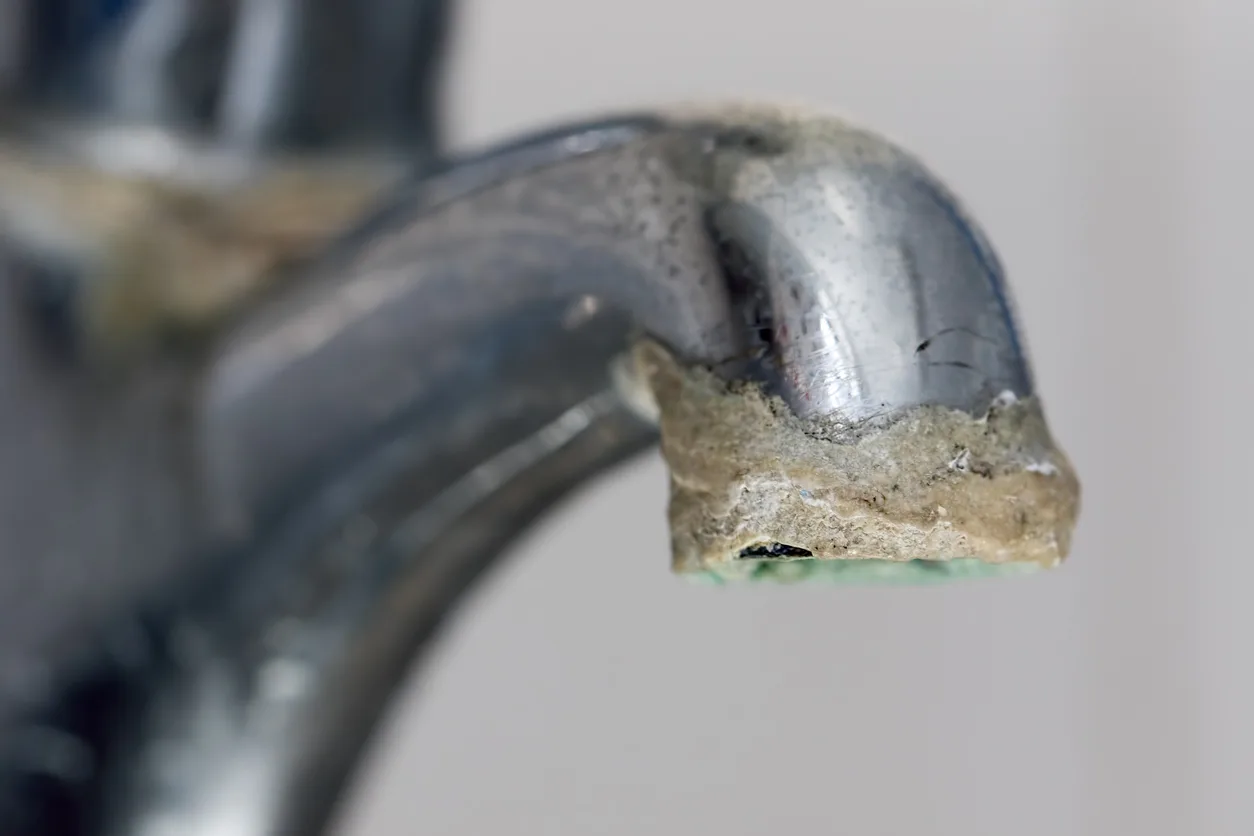
Can hard water cause long-term damage to your plumbing?
East Valley water runs hard. Mesa publishes 12 to 22 grains per gallon and Gilbert averages 8 to 10. Pete walks through exactly what that hardness does to your pipes, fixtures, and water heater over time, and what actually stops it.

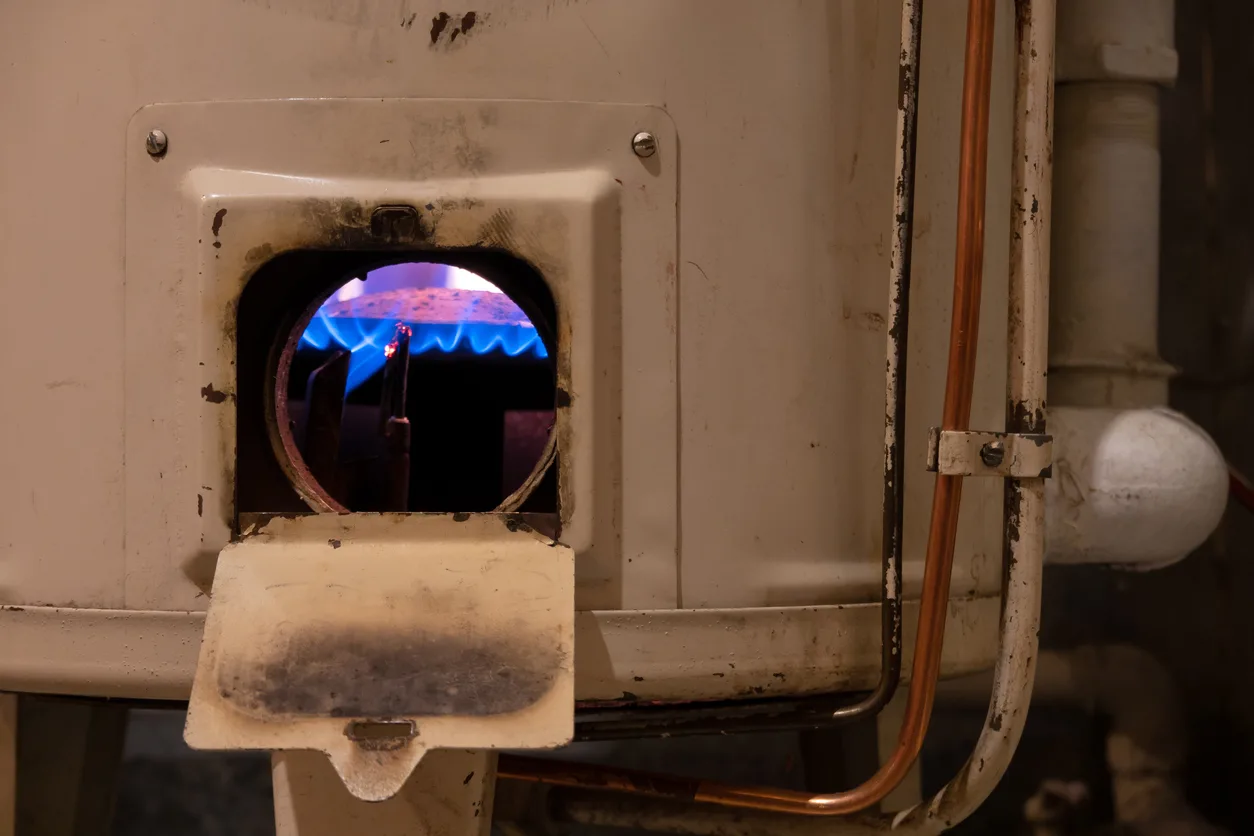
When should you replace your water heater?
Hard water in the East Valley ages tank and tankless units faster than the national average. Pete covers the real signs it is time to replace, and why a water softener changes the math on how long a new unit lasts.

How to cut your water bill during an Arizona summer.
Arizona summers mean higher outdoor water use and harder-working appliances. Pete explains which habits and systems actually reduce water consumption and utility costs when temps hit 110 degrees and stay there.
Ready to know exactly what is in your water?
Free in-home water test, no strings attached. Written quote before any installation. Softeners, filtration, and RO systems sized for East Valley water chemistry. Same licensed Phend technician from test to installation. Call us or book online.