Drain cleaning with camera confirmation. No guessing what we cleared.
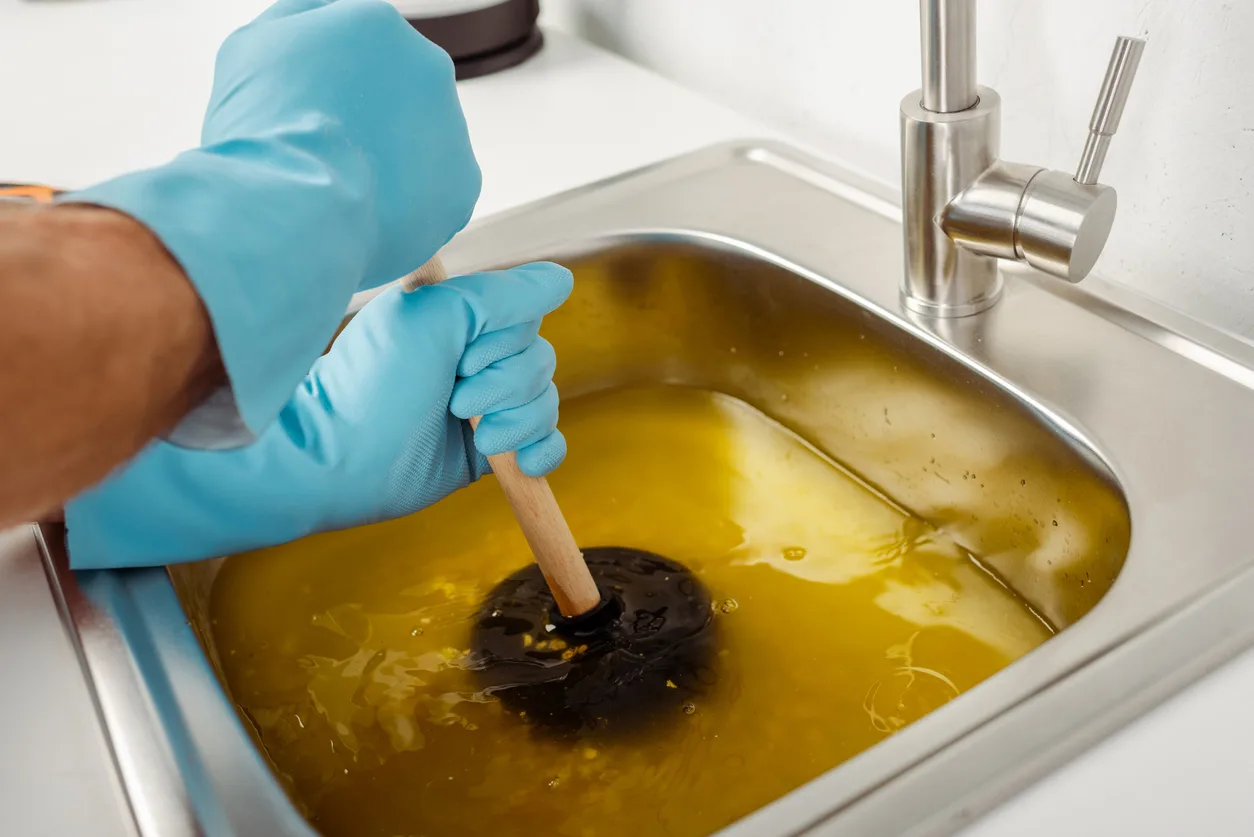
Water pooling in your shower or a kitchen sink that drains in slow motion is usually fixable in a single visit. Phend Plumbing clears kitchen, bath, laundry, and floor drains across Mesa, Gilbert, and the East Valley, then runs a camera to confirm the line is actually clear before we pack up. No upselling on services you did not need. Call (480) 388-6093.
Water pooling around your feet in the shower is one of those problems most homeowners ignore for a few weeks before they stop being able to. The drain cleaning question is always the same: is this a surface clog that a snake fixes in twenty minutes, or is there something further down the line that a cable just pushes around without actually clearing? On a single fixture, it is usually the first. When two or three drains in the same house are slow at the same time, you are dealing with something deeper. Phend Plumbing handles both in Mesa, Gilbert, Chandler, Tempe, and the full East Valley, and we use a camera to confirm the condition of the drain before we close out the job.
What is actually causing your slow drain
Understanding what is in the drain tells you what tool clears it. Treating every slow drain the same way is how a company upsells work that was not necessary.
Kitchen drains clog from accumulated grease and food particles. Grease liquefies when hot and flows easily, but it solidifies as it cools in the pipe and sticks to the walls of the drain line. Over months, that layer grows until the drain slows to a trickle. In East Valley homes, hard water mineral scale compounds the problem: calcium and magnesium deposits build up on the grease layer, making the restriction denser and harder to remove with a standard cable.
Shower and bathtub drains clog from hair, soap scum, and product residue. In most cases, the blockage is within the first few feet of the drain, right at the P-trap or just past it. A cable snake reaches it, pulls it out, and the drain runs normally again. In homes without a water softener, hard water leaves mineral scale on the inside of shower drain lines too, so the walls of the pipe narrow gradually over time and hair catches more easily.
Laundry drain lines handle a combination of lint, detergent residue, and fabric particles. The standpipe behind the washer is usually the first restriction point. If it is overflowing or draining slowly, the blockage is often close to the top of the standpipe or right at the trap below.
Floor drains in garages, utility rooms, and laundry areas are designed to handle occasional water, not constant debris. In the East Valley, July and August monsoon storms push dirt, sand, and debris into floor drains that may not have seen water flow in months. A dry P-trap in a floor drain also allows sewer gas to enter the room; running water down it periodically keeps the trap full.
Cable snaking vs. hydro-jetting: which one does your drain actually need
Both tools clear drains. They are not interchangeable.
A cable snake (also called an electric eel or drain auger) spins a flexible steel cable into the drain line to break through or retrieve a blockage. It is the right tool for a localized clog: hair in a shower drain, a compacted paper blockage, or a grease plug that has not yet hardened onto the pipe walls. Cable snaking is fast, lower cost, and effective when the obstruction is a specific mass at a specific location in the line.
Hydro-jetting pumps high-pressure water through a nozzle into the drain line, cutting through buildup on the pipe walls, not just punching a hole through the center of a clog. It is the right tool when the clog is a grease or scale layer that coats the pipe wall rather than blocking it as a single mass. Hydro-jetting is also the correct approach when camera inspection shows root intrusion: roots that have worked into older clay or cast-iron drain lines are often too dense and fibrous for a cable to fully remove, but a high-pressure jetter cuts through them.
The issue with recommending hydro-jetting on every job is that it is a more expensive service, and it is not always necessary. If a cable clears the line and the camera confirms the pipe walls are clean, hydro-jetting adds cost without adding benefit. Phend uses the camera first to make the call based on what we actually see, not a default upsell.
In older East Valley neighborhoods, pre-1985 homes with cast-iron drain lines are more likely to need hydro-jetting because cast iron corrodes over time, the interior surface roughens, and scale and grease adhere to it more readily than to smooth PVC. Homes in newer Gilbert and Queen Creek developments with PVC drain lines typically respond well to cable cleaning on most blockages.
Why camera confirmation matters after drain cleaning
Telling a homeowner their drain is clear and proving it are two different things.
A camera confirms three things a technician cannot see without it: that the blockage is fully removed and not just poked through, that there is no secondary restriction further down the line that will cause another slow drain in two weeks, and that the pipe itself is intact with no cracks, root infiltration, or collapsed sections that will cause recurring problems.
This is where drain cleaning and sewer cleaning connect. A slow drain that does not fully respond to cleaning at the fixture level sometimes has a root intrusion or partial collapse further down the main line, not at the individual drain. Running a camera eliminates that ambiguity before the technician leaves. If the camera shows a problem in the main line, you know that before you pay for a second drain cleaning visit in a month.
On East Valley homes with older cast-iron sewer mains, camera inspection after drain cleaning is not just a quality check; it is an early-warning system. Cast iron corrodes from the inside out over decades, and the scale and corrosion that slows drains is often the visible symptom of a pipe that is close to failure. Catching that on camera during a drain call is far less disruptive than responding to a sewer backup six months later.
Hard water and mineral scale in East Valley drain lines
Phoenix area water is hard. The City of Mesa publishes tap water hardness of 12 to 22 grains per gallon depending on source area. The Town of Gilbert publishes an average of 8 to 10 grains per gallon. Both are significantly above the federal hard-water threshold of 7 grains per gallon.
That hardness matters for drains because calcium and magnesium carbonate deposits build up on the inside walls of drain pipes the same way they build up on faucet aerators and showerheads. Over time, a drain pipe in a hard-water home without a water softener narrows from mineral scale on the pipe interior. The drain still works, but it works slower than it should, and organic material (grease, hair, soap scum) catches on the rough scale surface and builds up faster.
Hydro-jetting removes mineral scale from drain walls effectively. A cable snake does not. If you are in a Mesa neighborhood with older drain lines and have recurring slow drains that a cable cleaned but never permanently fixed, hard water scale on the pipe interior is likely part of the picture.
This is also why water softener installation has a real impact on how often you need professional drain cleaning. Soft water does not leave mineral deposits inside drain lines, which means organic material has a smoother surface to flow past rather than a rough mineral crust to catch on. The connection between your water chemistry and your drain performance is more direct than most homeowners realize.
What to expect during a Phend drain cleaning visit
Most drain cleaning jobs in the East Valley run 45 minutes to 90 minutes, depending on the drain type, the nature of the clog, and whether hydro-jetting is needed.
Diagnosis first. Before running any equipment, a Phend technician asks which drains are slow and whether it is one fixture or several. One slow fixture almost always means a local blockage. Multiple slow fixtures typically signal a main line issue, and the approach shifts accordingly.
Right equipment for the job. For most fixture-level clogs (shower, sink, tub), a cable snake clears the line in one pass. For kitchen drains with significant grease or mineral scale buildup, or for drain lines that have had recurring problems, the technician may recommend hydro-jetting after seeing what the cable finds.
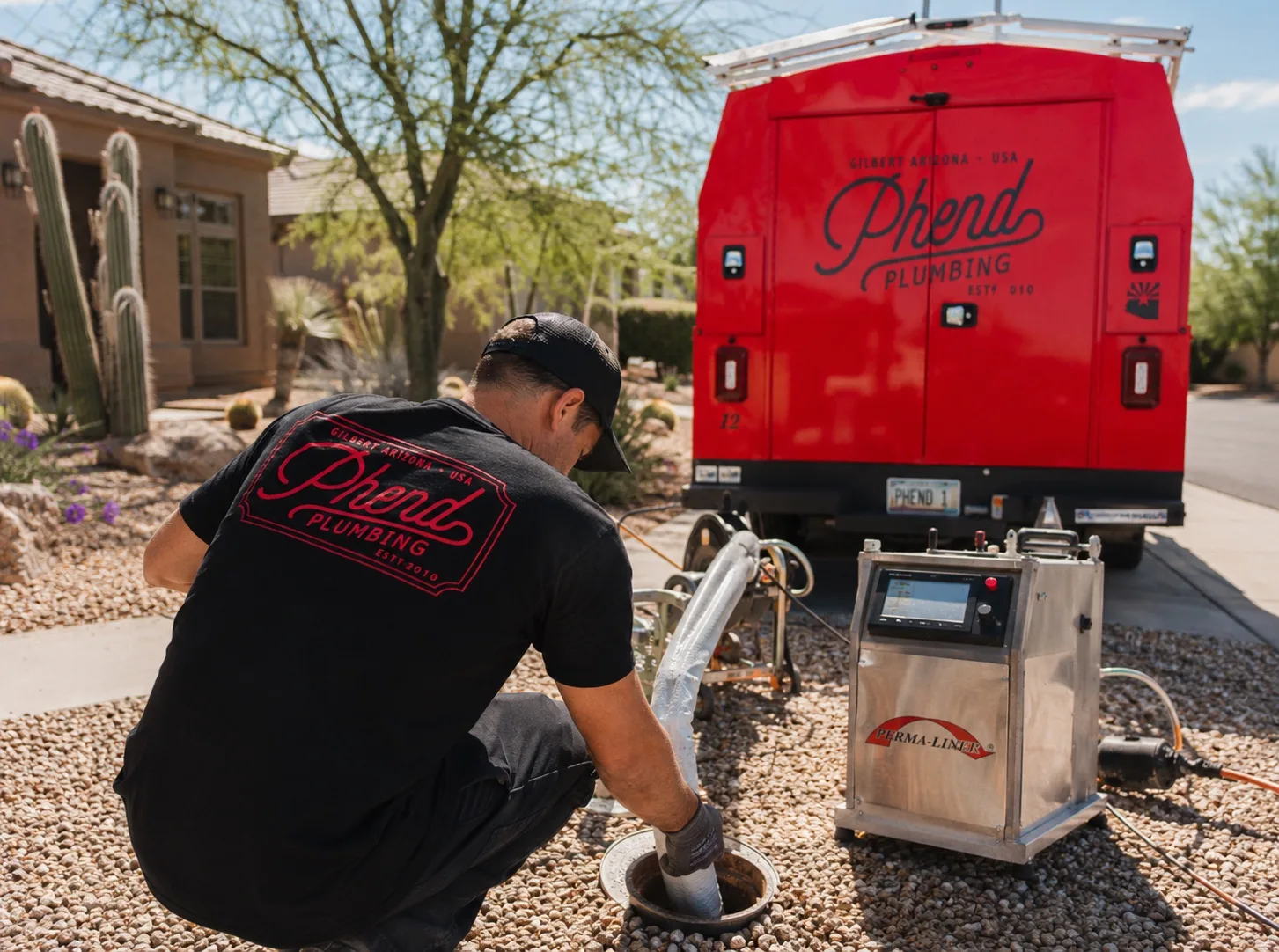
Camera confirmation. After clearing the drain, a Phend technician runs a drain camera through the line to confirm it is clear from the fixture to the main. If the camera shows a secondary issue, you know about it before the job closes. If everything is clean, you have documentation that it was clear on the day of service.
No surprise upsells. If the camera shows the line is clear after cable cleaning, there is no recommendation for hydro-jetting. If the drain issue is located in the main sewer line rather than in a branch drain, the technician will explain that clearly before quoting a different scope.
Drain types Phend Plumbing services in the East Valley
Kitchen drains: Grease and scale buildup is the most common kitchen drain problem across the East Valley. Most kitchen drain cleanings involve either a cable snake for a localized plug or hydro-jetting when scale and grease have built up along a longer run of pipe.
Bathroom sink drains: Hair and soap scum are the primary culprits. These blockages are usually shallow and respond quickly to cable cleaning. If your bathroom sink drain has been slow for more than a few weeks and cleaning temporarily improved it but did not fix it, the P-trap configuration or venting may be contributing.
Shower and tub drains: Similar to bathroom sinks, but with more potential for hair volume. In older tile-floor showers without a removable strainer, hair reaches the P-trap and compacts over months. Annual cleaning prevents the backup.
Laundry standpipes: The standpipe and trap behind a washing machine handle high-volume, intermittent discharge. Lint and detergent residue build up in the trap and standpipe. If your washer is overflowing water onto the floor during the spin cycle, the standpipe drain is the first place to check.
Floor drains: Utility rooms, garages, and laundry rooms. East Valley monsoon season (July through September) drives debris, sand, and leaf material into floor drains that may not have drained anything in months. Phend clears and inspects floor drains before and after monsoon season for homeowners who have had flooding issues in the past.
Main line drain cleanouts: When multiple drains in the house are slow or backing up, the problem is in the main sewer line, not in individual branch drains. See the sewer cleaning service page for main line work.
The no-upsell approach to drain cleaning
The drain cleaning business has a history of companies recommending hydro-jetting on every job regardless of whether it is actually needed, because it carries a higher price point than cable snaking. Phend's position on this is straightforward: a camera shows us what is in the drain. If the cable cleared it and the camera confirms the line is clean, there is nothing to upsell.
You will not hear a Phend technician recommend hydro-jetting after a cable cleaning unless the camera shows a specific reason for it: scale buildup on pipe walls, root fragments that the cable did not fully remove, or grease accumulation that extends beyond the initial blockage location.
The same principle applies when a drain issue turns out to be in the main sewer line rather than the branch drain. If your slow drain is actually a main line problem, we tell you that, quote the correct scope, and let you decide how to proceed. We do not clear the branch drain and charge you again when the main line issue causes the same symptom again next month.
Call Phend Plumbing for drain cleaning in Mesa, Gilbert, and the East Valley
Phend Plumbing serves Mesa, Gilbert, Chandler, Tempe, Scottsdale, Queen Creek, San Tan Valley, and the broader East Valley for drain cleaning. If your drain is slow or backing up, call (480) 388-6093. Most drain jobs can be scheduled within a day or two, and same-day service is often available for actively backed-up drains. Every job includes camera confirmation before we close out so you know the line is actually clear, not just temporarily better.
Recent work
Gallery

Common questions
How much does drain cleaning cost in the East Valley?
Drain cleaning cost varies depending on the drain type, how deep the blockage is, and whether hydro-jetting is needed in addition to cable snaking. A standard fixture-level drain cleaning (shower, sink, tub) typically costs less than a kitchen grease cleaning that requires hydro-jetting. Phend Plumbing does not quote drain cleaning over the phone without knowing the drain type and the symptoms, because the right scope depends on what the camera shows. Call (480) 388-6093 and we can walk through the situation and give you a realistic estimate before scheduling.
What is the difference between cable snaking and hydro-jetting?
A cable snake spins a flexible steel cable into the drain to break through or retrieve a localized clog. It is the right tool for hair blockages, paper clogs, and soft grease plugs. Hydro-jetting pumps high-pressure water through a nozzle that cuts through buildup on the pipe walls, including hardened grease, mineral scale, and root fragments that a cable only punches a hole through. Hydro-jetting costs more than cable snaking, and Phend only recommends it when the camera confirms it is warranted. If a cable clears the line and the camera shows clean pipe walls, there is no reason to hydro-jet.
Why does my drain keep getting slow after being cleaned?
Recurring slow drains after cleaning usually point to one of three causes. First, a secondary restriction further down the line that was not visible or was not addressed in the initial cleaning. Second, a root intrusion in older cast-iron drain lines where the roots were cut back but not fully removed. Third, hard water mineral scale buildup on the pipe interior that creates a rough surface organic material catches on. The City of Mesa publishes tap water hardness of 12 to 22 grains per gallon, and Gilbert averages 8 to 10 gpg, both significantly above the federal hard-water threshold. A camera inspection identifies which cause applies to your drain and determines the correct fix.
Can Phend Plumbing clear a floor drain that backed up after a monsoon storm?
Yes. Monsoon storms in the East Valley, which typically run from July through September, push dirt, sand, and debris into floor drains in garages, laundry rooms, and utility areas. If a floor drain has been dry for an extended period, the P-trap may have lost its water seal as well, which allows sewer gas into the room in addition to the drain being slow. Phend clears the blockage, inspects the drain with a camera if the backup was significant, and confirms the trap seal is intact before closing the job. Call (480) 388-6093 to schedule.
How do I know if my slow drain is a branch drain problem or a main line problem?
A single slow drain almost always points to a branch drain clog at or near that fixture. When two or more drains in different parts of the house are slow at the same time, or when water backs up into a tub or floor drain when you flush the toilet or run the washing machine, the problem is in the main sewer line, not in the individual branch drains. Phend Plumbing diagnoses which situation you are in before running equipment and quotes the correct scope accordingly. If you have multiple slow drains or a backup in an unexpected fixture, call (480) 388-6093 so we can walk through the symptoms.
Camera confirms the line is clear. Not just temporarily better.
Phend Plumbing clears kitchen, bath, laundry, and floor drains across Mesa, Gilbert, and the East Valley. After every cleaning, we run a camera through the line to confirm it is clear from the fixture to the main. If the camera shows a reason for hydro-jetting, we tell you. If it shows a clean line, we close the job.
- Camera confirmation after every drain cleaning
- Cable snaking or hydro-jetting based on what the camera shows
- Kitchen, bath, laundry, and floor drains
- Main line issues identified and quoted separately, not re-billed
Pete on drain clogs, hard water scale, and East Valley drain problems.
Short reads on what actually causes slow drains in the East Valley, when cable cleaning is enough and when hydro-jetting makes sense, and how hard water contributes to recurring drain problems.
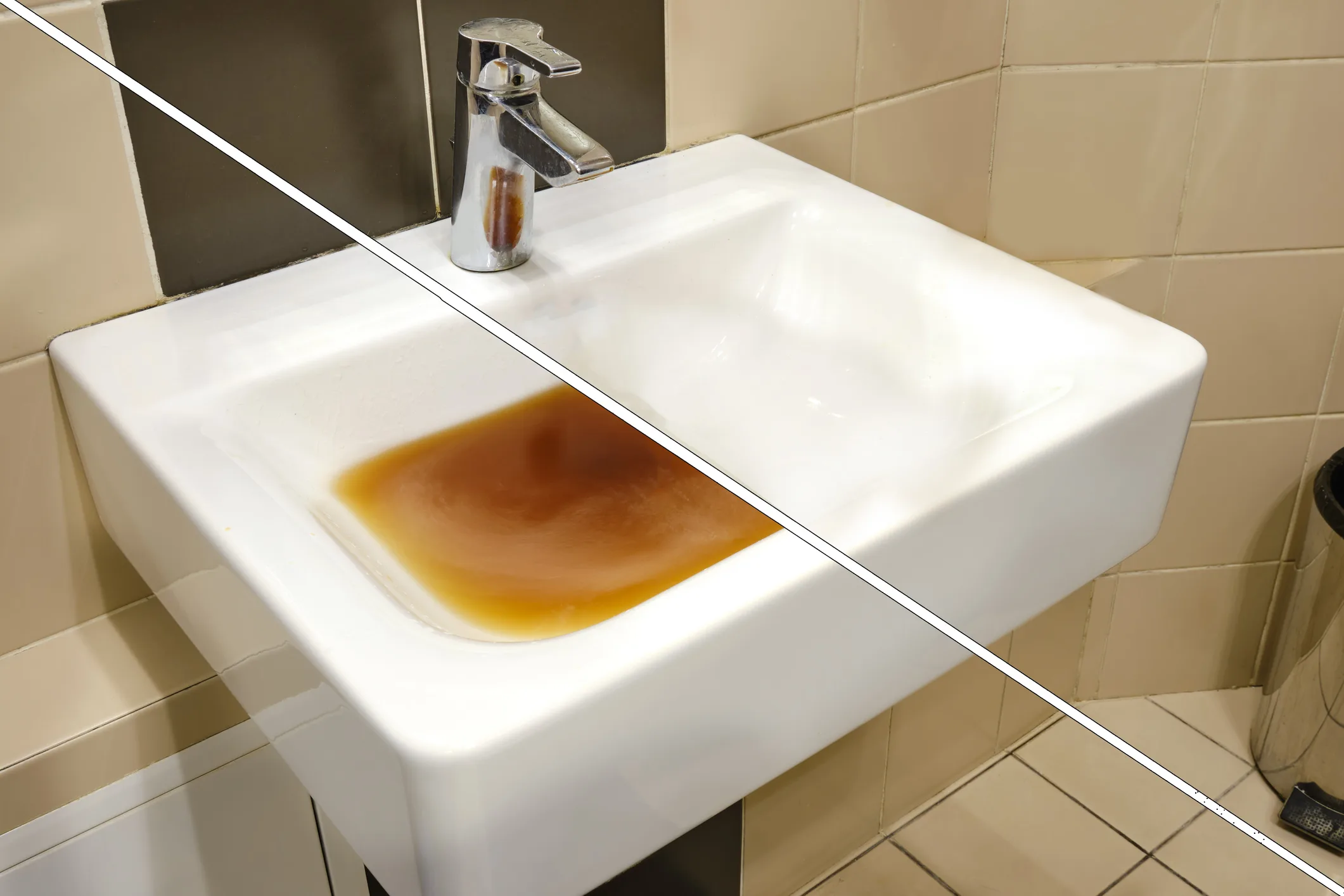
Ask Pete: why is my bathroom sink draining slowly?
A slow bathroom sink is usually hair and soap scum, but Pete explains how to tell the difference between a surface clog, a P-trap problem, and something further down the line.

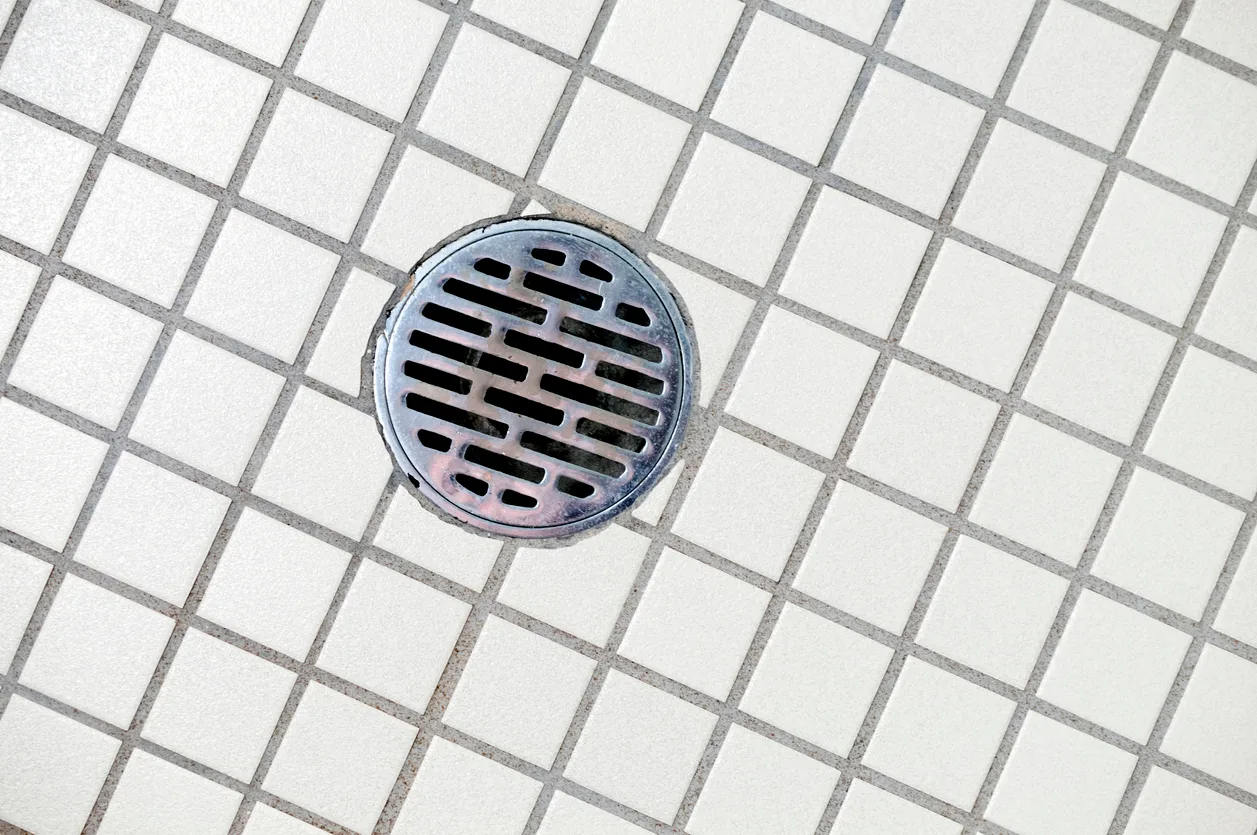
Ask Pete: why does my drain smell bad?
Sewer gas, dried P-traps, and biofilm in drain lines all smell different. Pete breaks down what the smell tells you and which fix applies.
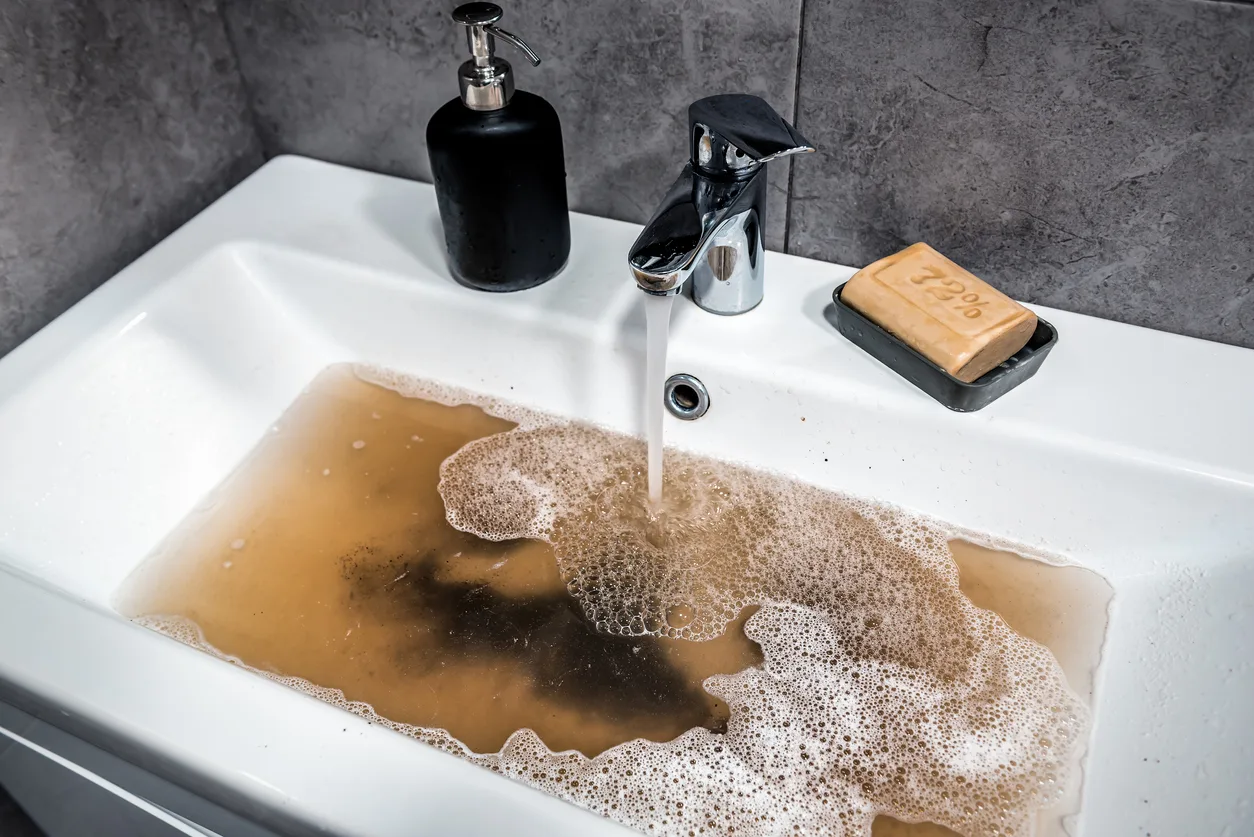
Ask Pete: how do I prevent clogged drains?
Hair strainers, grease disposal habits, and annual drain maintenance are the three things that keep East Valley drain lines running cleanly year after year.