Fix your sewer line without digging up your yard.
Trenchless repair puts a new sewer line in place with two small access points and none of the excavation. Phend owns its own CIPP lining and pipe bursting equipment and a crew that has done this work hundreds of times across Mesa, Gilbert, and the East Valley.
A failed sewer line used to mean one thing: a trench across your yard, through your driveway, or under your patio. For most East Valley homeowners that picture still comes to mind the moment a plumber says "sewer line." Trenchless repair changes that equation completely. Phend Plumbing sewer services include two trenchless methods, cured-in-place pipe (CIPP) lining and pipe bursting, that restore or replace a failed line with nothing more than small access pits at each end of the run. If you are in Mesa or Gilbert and your sewer camera footage shows a cracked, corroded, or root-damaged pipe, trenchless is the conversation worth having before anyone picks up a shovel.
How trenchless repair changes the math on sewer line failure
When a sewer line fails under a mature landscaped yard, a concrete driveway, or a paver patio, the real cost of traditional sewer line repair is not just the plumbing work. It is the concrete demolition, the excavation, the landscape restoration, and then the plumbing work. In many East Valley situations, especially where clay or cast iron pipe runs under a paved surface or under the house itself, the restoration bill rivals the plumbing bill.
Trenchless repair approaches the same problem from a different direction. Instead of trenching the full length of the pipe to replace or repair it, trenchless methods work from access points at each end. The repair happens inside the pipe or through the pipe own path, with no surface demolition in between.
The math shifts in three ways. First, your yard, driveway, and patio stay intact. Second, the total job time compresses because there is no excavation and no restoration coordination. Third, for homeowners who were facing the cost of both plumbing repair and landscape or hardscape restoration, trenchless often comes in lower as an all-in number even if the per-foot pipe cost is similar to open-trench work.
The tradeoff is that not every pipe is a trenchless candidate. Collapsed sections, extreme root infiltration, or significant grade changes in the existing line may require open-trench access. Phend evaluates trenchless viability on every sewer job and gives you both options with honest numbers if both apply to your situation. The starting point is always a sewer camera inspection that shows exactly what the pipe looks like and where the failure is.
Cured-in-place pipe lining (CIPP) explained
CIPP lining is the more widely applicable of the two trenchless methods. A flexible liner, saturated with a thermosetting resin, is pulled or inverted into the existing pipe through a single access point. Once positioned, the liner is inflated and cured in place using hot water, steam, or UV light depending on the system. When the resin cures, the result is a smooth, jointless pipe inside the old pipe. The old pipe becomes structural support for the new liner and stays exactly where it is.
The finished liner is typically 6 to 8 millimeters thick and reduces the interior diameter of the pipe by a small margin, but the smooth interior surface more than offsets the reduced diameter. Root intrusion, which typically enters through joints and cracks in clay or cast iron, has no path in. Mineral buildup, which is a genuine concern in hard water areas like the East Valley where scale forms on rough pipe interiors, does not get a foothold on the liner smooth surface.
CIPP liners are rated for 50 years of service life under normal conditions. They handle Arizona soil movement, including the ground shift that follows a heavy monsoon season when the soil swells after months of drought, better than rigid pipe because the liner has some flex built into its cure profile.
The ideal candidate for CIPP lining is a pipe that is cracked, corroded, or leaking at joints but not collapsed. The existing pipe walls need to be intact enough to hold the liner during installation and give it a surface to bond to. Phend crew confirms liner suitability from camera footage before pulling equipment to the job.
Pipe bursting: replacing the line without digging it up
Pipe bursting is the method you reach for when the pipe is too far gone to support a liner. Instead of lining the old pipe, pipe bursting uses it as a guide to pull a brand-new pipe through the same path.
The process works like this. A bursting head, sized slightly larger than the existing pipe, is pulled through the old pipe by a hydraulic pulling machine anchored at the receiving pit. As the bursting head advances, it fractures and displaces the old pipe outward into the surrounding soil. A new HDPE (high-density polyethylene) pipe is attached to the back of the bursting head and pulled through the same path as the old pipe collapses around it.
The result is a completely new pipe in the same footprint, with no trench along the run between the two access pits.
HDPE pipe handles East Valley conditions well. It is resistant to the kind of root intrusion that eventually compromises older clay and cast iron lines. It does not corrode and is not affected by the mineral content in the soil or the hard water that runs through it. HDPE also flexes slightly under ground movement, which is relevant during monsoon season when soil saturation can shift pipe beds that have been stable for decades.
Pipe bursting requires slightly more access excavation than CIPP lining because the equipment needs a clear receiving pit, but it allows a full pipe replacement rather than a rehabilitation. For pipe in poor overall condition, pipe bursting is the stronger long-term solution.
When trenchless is the right call (and when it isn’t)
Trenchless is not the automatic answer to every sewer line problem. It is the right answer in specific situations, and Phend will tell you plainly when open-trench work makes more sense.
Trenchless is the right call when:
The pipe is cracked, corroding, or root-invaded but the overall structure is intact enough to hold a liner. This covers most cast iron and clay pipe from pre-1985 construction in Mesa, Tempe, and Gilbert neighborhoods that has been in service for 40 to 60 years and is now showing age at the joints and seams.
The line runs under hardscape, a patio, driveway concrete, pavers, or a structure that would require significant demolition and restoration if a trench were cut. In these cases, trenchless saves the hardscape entirely.
The homeowner needs to preserve mature landscaping. East Valley desert landscaping takes years and significant investment to establish. Trenching through a landscape to repair a sewer line destroys plants and irrigation that may cost more to replace than the plumbing repair itself.
The pipe is failing along its length rather than at a single point. A spot repair from a trench fixes the spot you opened. Lining the full run addresses the whole pipe in one step.
Trenchless is not the right call when:
The pipe has collapsed sections with no remaining interior void for the liner or bursting head to travel through. A fully collapsed pipe requires open access to restore the path before any lining or bursting is possible.
The pipe has extreme root infiltration that has completely blocked the interior. Hydro-jetting from sewer cleaning can clear roots, but if the roots have grown into the pipe wall to the point of structural compromise, the camera assessment will show whether lining is still viable.
Significant grade issues exist in the pipe run. If the line has bellied, meaning it has sagged below grade and holds standing water, lining a belly does not correct the grade. Pipe bursting can sometimes address this by pulling a new pipe through at a corrected grade, but the assessment determines that.
The failure is at the pipe connection to the main, at a fitting, or involves offset joints that a liner cannot span effectively.
What trenchless costs vs. traditional excavation
Giving a flat price for trenchless sewer repair without seeing the pipe, the run length, the surface above it, and the access conditions is not something any honest plumber can do. What Phend can tell you is how the cost comparison typically breaks down against traditional excavation.
The per-linear-foot cost of CIPP lining or pipe bursting is generally comparable to or higher than the pipe cost on a traditional open-trench job. The difference shows up in two other columns.
First, trenchless eliminates the excavation and backfill cost. Depending on soil conditions and run length, excavation can be a significant portion of a total sewer repair invoice. East Valley caliche soil, which is a calcium carbonate hardpan layer found across much of Mesa, Gilbert, and Queen Creek, is notoriously difficult to excavate by hand and adds to machine rental or subcontractor costs on open-trench jobs.
Second, trenchless eliminates surface restoration. Replacing a 20-foot section of concrete driveway, re-setting pavers, or replanting and regrading a yard after a trench is restoration work that falls outside the plumbing scope and gets quoted separately. For homeowners with covered surfaces over the pipe run, surface restoration can exceed the plumbing cost. Trenchless eliminates that line item.
When you add plumbing, excavation, and surface restoration together into a total project cost, trenchless frequently comes in at a lower overall number even when the pipe work itself costs more per foot. Phend quotes both options in full when both are viable so you can compare apples to apples. Call (480) 388-6093 and we will walk you through the comparison for your specific property.
What the process looks like, start to finish
Step 1: Sewer camera inspection. Every trenchless job starts with footage. Phend sewer camera inspection crew runs a camera through the full length of the affected line, confirms the pipe condition, identifies the failure points, measures the run, and assesses liner or bursting suitability. The camera footage drives every decision that follows.
Step 2: Diagnosis and recommendation. After reviewing the footage, Phend gives you a written recommendation that explains what the camera found, which trenchless method applies (lining or bursting), and a complete quote that includes access, equipment, and cleanup. If open-trench repair is a better fit for your situation, we say that here.
Step 3: Access pit preparation. Trenchless work requires small access pits at each end of the pipe run, typically 2 by 3 feet or so depending on depth and equipment. For longer runs, an intermediate access point may be needed. This is the extent of surface disturbance on most trenchless jobs.
Step 4: Pipe preparation. Before lining or bursting, the pipe is thoroughly cleaned. Hydro-jetting clears scale, grease, and debris so the liner has clean pipe walls to bond to or so the bursting head can advance cleanly.
Step 5: Liner installation or pipe bursting. For CIPP, the liner is pulled in, inflated, and cured. For pipe bursting, the new HDPE pipe is pulled through as the old pipe fractures outward. Either process takes a few hours for a typical residential run.
Step 6: Post-installation camera check. Once the liner is cured or the new pipe is in place, a camera pass confirms the result. Phend does not close out a trenchless job without verifying the finished pipe with footage.
Step 7: Access pit backfill and cleanup. The small access pits are backfilled and compacted. The surface is restored to grade. Your yard, driveway, or patio above the pipe run is untouched.
Most residential trenchless jobs are completed in one or two days from camera inspection through final cleanup.
Phend owns its trenchless equipment
Most plumbing companies that offer trenchless sewer repair do not own their own equipment. They subcontract the trenchless portion of the job to a specialty company that provides the lining or bursting crew, and then they coordinate that third party on your behalf.
The practical effect is that you are paying a coordination fee on top of the subcontractor rate, the scheduling depends on a third party availability, and the accountability for the work is shared between two companies.
Phend owns its CIPP lining equipment and pipe bursting equipment outright. The crew that shows up to do your trenchless job is our crew. They have done this work hundreds of times across the East Valley and they are not learning the equipment on your job. When questions come up during the work, the technician making the call is the same person who laid out the repair plan. You deal with Phend directly from camera inspection through closeout.
This also means Phend can schedule trenchless work on our own timeline, often on the same schedule as a conventional plumbing repair. The warranty on trenchless work from Phend covers both the labor and the materials because Phend is accountable for the installation from start to finish.
Warranty and longevity of trenchless repairs
CIPP liners installed with quality resin under proper cure conditions are rated for 50-year service life by the pipe rehabilitation industry standard testing (ASTM F1216 and related specifications). Pipe bursting installs new HDPE pipe, which carries comparable longevity and comes with the pipe manufacturer material warranty.
Phend backs its trenchless installations with a workmanship warranty on labor and a material warranty on the liner or pipe. The specifics are covered in writing on every trenchless estimate so you know exactly what is covered and for how long before work begins.
In practical terms for East Valley homeowners, the considerations that affect long-term performance are the ones Phend addresses at installation. For CIPP lining, those are pipe cleaning quality before the liner goes in, correct resin saturation, and proper cure. For pipe bursting, it is new pipe connection quality at each terminus. The post-installation camera pass exists specifically to verify these before the job closes.
One common question is whether the liner inside a clay or cast iron host pipe is secure if the host pipe continues to deteriorate. The liner is fully structural at cure, meaning it does not depend on the host pipe for strength. The host pipe is effectively the form that the liner cured inside. If the host pipe continues to crack and shift around the liner, the liner remains intact.
Call Phend Plumbing for trenchless sewer repair across the East Valley
If your sewer camera footage shows a line that needs more than cleaning and your yard, driveway, or landscaping is over that pipe, trenchless is worth a serious look before you commit to open-trench excavation.
Phend Plumbing serves Mesa, Gilbert, Chandler, Tempe, Queen Creek, San Tan Valley, Scottsdale, and the surrounding East Valley for both CIPP lining and pipe bursting. We own our equipment, pull our own permits, and give you a written quote for both trenchless and traditional options when both apply, so you can make the decision with full information. Call (480) 388-6093 to schedule a camera inspection or to get a trenchless estimate on a line you have already had assessed. We will give you a straight answer on whether trenchless is the right tool for your situation and a written number before any work begins.
Recent work
Gallery
Common questions
How long does CIPP lining last?
CIPP liners are rated for 50 years of service life under industry standard testing (ASTM F1216). The liner is fully structural after it cures, meaning it does not depend on the host pipe for strength. In East Valley conditions, where clay and cast iron pipe often shows corrosion and joint failure after 40 to 60 years, a CIPP liner effectively resets the clock on the pipe useful life. Phend provides a material warranty on the liner and a workmanship warranty on the installation, both spelled out in writing before the job starts.
Will trenchless work on a collapsed pipe section?
No. CIPP lining requires an open interior void to pull the liner through, and pipe bursting requires a continuous path for the bursting head to travel. A fully collapsed section blocks both methods. If a sewer camera inspection reveals a collapse, that section typically needs open-trench access to restore the pipe path before any lining or bursting can proceed. Phend will show you the camera footage of a collapsed section and explain exactly why open-trench work is needed for that portion of the run before recommending it.
Can you reline a cast iron sewer main?
Yes, and it is one of the most common trenchless applications in East Valley neighborhoods built before 1985. Cast iron sewer pipe in Mesa, Gilbert, and Tempe has been in service for 40 to 60 years in some areas and typically shows corrosion, joint separation, and root intrusion at that age. CIPP lining works well in cast iron because the pipe walls are generally intact enough to hold the liner even when the joints are compromised. The camera inspection confirms liner suitability before Phend brings equipment to the job. Pipe bursting is also an option for cast iron lines when the pipe condition is beyond what a liner can rehabilitate.
Pipe bursting vs. lining: when is each the right choice?
CIPP lining is the right choice when the existing pipe is cracked, corroded, or leaking at joints but structurally present throughout the run. The liner bonds to the inside of the existing pipe and turns it into a structural host. Pipe bursting is the right choice when the pipe is too deteriorated to hold a liner reliably, when the material is a type that lining does not adhere well to, or when a full pipe replacement is the appropriate long-term solution. Both methods avoid trenching between access points. Phend evaluates which method is correct from the sewer camera footage and explains the reasoning in the written estimate.
Does trenchless repair require any digging at all?
A small amount of digging is required at each end of the pipe run to create the access pits for equipment entry and exit. These pits are typically 2 to 3 feet square and as deep as the pipe. For a standard residential sewer line running from the house to the street, this means two small excavations and no disturbance to the surface area in between. Your driveway, patio, pavers, or landscaping above the pipe run stays completely intact. For very long runs, an intermediate access pit may be needed, which Phend confirms at the assessment stage.
Is trenchless sewer repair approved by Mesa and Gilbert building departments?
Yes. CIPP lining and pipe bursting are both permitted repair methods under Arizona plumbing code, and both Mesa and Gilbert building departments routinely process permits for trenchless sewer work. Phend pulls the permit before any trenchless job starts, coordinates the required inspection, and provides documentation at closeout. Unpermitted sewer work can create problems at resale and, in some cases, is not covered by homeowners insurance claims. Every Phend trenchless job is properly permitted.
What warranty does Phend provide on trenchless repairs?
Phend backs trenchless work with a workmanship warranty on the labor and a material warranty on the liner or pipe. The specifics are written into the estimate and the close-out documentation for every trenchless job. Because Phend owns its own trenchless equipment and coordinates the work directly, warranty accountability is straightforward: Phend is the company responsible for the installation from start to finish. If you have a question about your specific warranty coverage, call (480) 388-6093 and we will walk you through it.
How quickly can Phend schedule a trenchless sewer repair?
Because Phend owns its trenchless equipment, scheduling is on our timeline. Most trenchless jobs can be scheduled within a few business days of the camera inspection and estimate approval. If you have already had a sewer camera inspection done elsewhere and have footage that shows the pipe condition, contact Phend at (480) 388-6093 with that information and we can often move directly to the estimate and scheduling stage without a redundant camera run.
No dig. No trench. New pipe.
Phend owns its CIPP lining and pipe bursting equipment and serves Mesa, Gilbert, and the East Valley. Written quote before work starts.
- CIPP lining and pipe bursting available on the same timeline as conventional repair
- Written estimate covers both trenchless and open-trench options when both apply
- Permit pulled on every job, inspection coordinated at closeout
- Post-installation camera pass confirms the finished pipe before the crew leaves
More on trenchless repair and sewer camera decisions.
Short reads from Pete on how East Valley homeowners decide between no-dig and open-trench repair, and when a camera inspection drives the whole conversation.
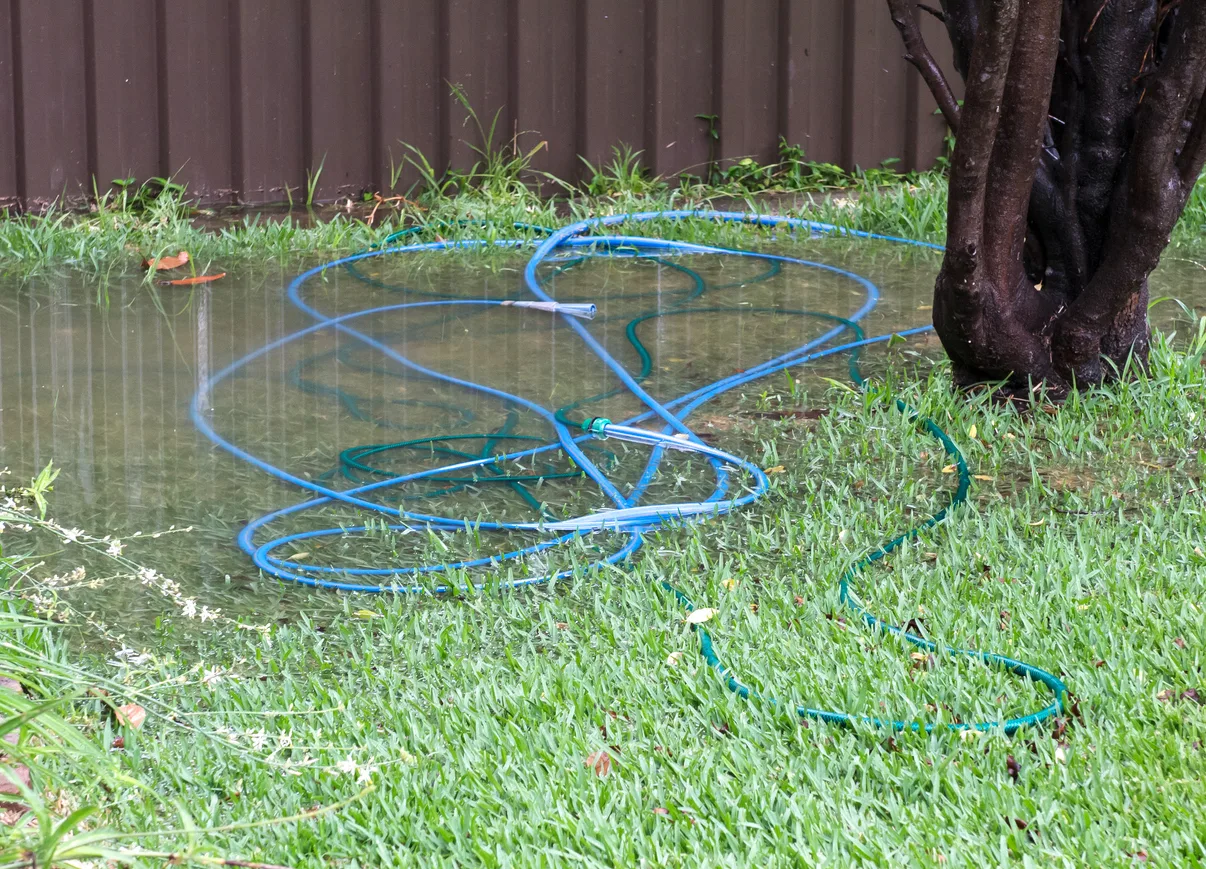
What East Valley homeowners are finding out about trenchless sewer repair.
No excavation, no landscape damage, and a 50-year liner. Mesa and Gilbert homeowners who went the trenchless route share what surprised them most about the process.

Understanding trenchless sewer repairs: tips from the field.
CIPP lining, pipe bursting, and the camera footage that decides which method is right. A plain-language breakdown from a crew that has done this work across the East Valley.
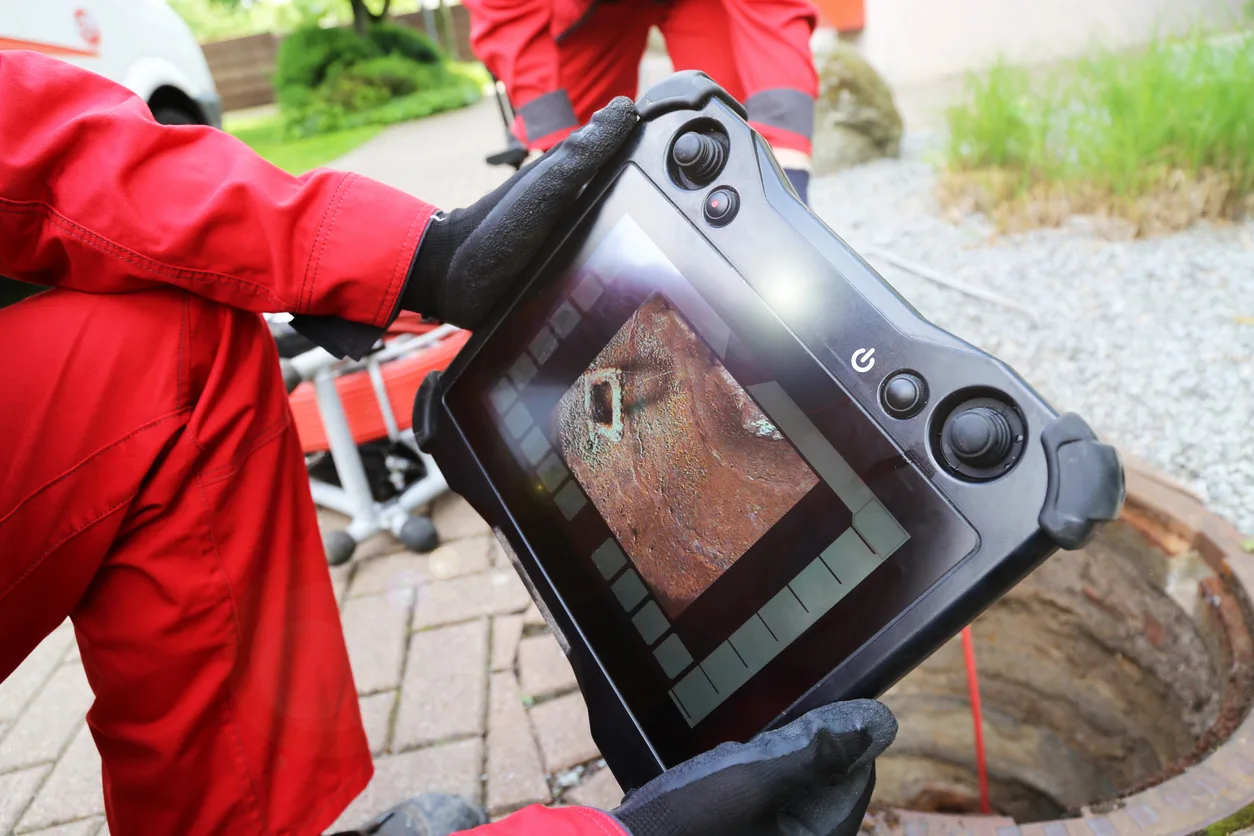
When to run a sewer camera before you commit to anything.
The camera footage is what separates a targeted repair from an expensive guess. Pete explains when you need it and what the footage should show before trenchless can be quoted.