Clear the blockage. Protect the pipe behind it.
When your sewer line is blocked and the pipe itself is in good shape, the right move is a thorough cleaning, not a dig. Phend Plumbing uses hydro-jetting and mechanical snaking to clear roots, grease, scale, and debris from sewer lines across Mesa, Gilbert, and the East Valley. We run a camera first so we know exactly what we are clearing and how to clear it right.
If every drain in your house is running slow, your toilets are gurgling, or you caught a sewage odor coming from a floor drain, your main sewer line is likely blocked. In Mesa and Gilbert, the most common culprits are tree roots that have worked into older lines, grease that has hardened inside cast iron pipe, and mineral scale from East Valley hard water. A blocked sewer line that still has good structural integrity does not need to be dug up or replaced. It needs to be cleaned. Phend Plumbing sewer services cover the full range of sewer work, and for a blocked line that is otherwise sound, professional cleaning is the fastest and most cost-effective fix you can make.
Hydro-jetting vs. mechanical snaking, when each is right
There are two main tools for sewer cleaning, and using the wrong one wastes your money or, in some cases, makes the problem worse.
A mechanical snake (also called a cable auger or rooter) uses a rotating steel cable to punch through soft blockages like paper, wipes, or loose organic debris. It punches a hole through the clog and restores flow, but it does not clean the pipe walls. If you have grease coating the inside of the line or a partial root intrusion that has mostly closed off the pipe, a snake gets you flowing again temporarily, but the blockage comes back faster.
Hydro-jetting sends water through the line at 3,000 to 4,000 psi. At that pressure, the water scours the entire interior circumference of the pipe rather than just creating a path through the middle of the clog. It blasts root tips off the pipe walls, strips grease from cast iron, and flushes mineral scale buildup that hard water deposits over time. The result is a cleaner pipe, not just an open one.
The choice depends on two things: what the blockage is made of, and what condition the pipe is in. Hydro-jetting is more aggressive. That is an advantage on a pipe that is in good shape and fully blocked. It is a problem if the pipe is cracked, has compromised joints, or is dealing with root intrusion severe enough that it has already deformed the line. That is why Phend runs a sewer camera inspection first. We look at the pipe before we clean it so we know which method fits the situation.
What hydro-jetting actually does to your sewer line
Most homeowners hear "hydro-jetting" and picture a pressure washer. It is more than that.
A jetting unit pumps water through a flexible hose that feeds into your cleanout access point. At the end of the hose is a nozzle with forward-facing and rear-facing jets. The rear-facing jets push the nozzle forward through the line while simultaneously scrubbing the pipe walls behind it. The forward jets blast through whatever is blocking the path ahead.
The water travels through the entire length of the line, strips the buildup from the walls, and carries all of it out to the city main. You end up with a pipe that is as clean on the inside as it is going to get without replacement or relining.
Hydro-jetting is highly effective on grease accumulation, which is common in kitchen drain lines that connect to the main sewer, on root tips that have grown into the line through joints or cracks, and on the hard mineral scale that East Valley hard water (300 to 500 ppm) deposits inside cast iron lines over decades. If you have not had your sewer line cleaned in five or more years in a Mesa or Gilbert home, there is almost certainly buildup worth clearing.
Common sewer blockages we clear in the East Valley
Not all blockages are the same. What is in your pipe determines how we approach the job.
Root intrusion. This is the most common blockage Phend finds in East Valley homes built before 2000. Mesquite, oleander, citrus, and block wall roots are the frequent offenders. Roots follow moisture, and a sewer line running under a yard is a moisture source. They enter through joints, cracks, or any gap in the line. Once inside, they grow and eventually fill the pipe. Hydro-jetting cuts and flushes the roots, though it is important to understand that it does not kill the root system. If the pipe has structural damage from the roots, cleaning buys time but sewer line repair is likely the longer-term solution.
Grease and FOG buildup. Fats, oils, and grease cool and solidify once they are inside the pipe. Over time, they coat the interior walls and narrow the effective diameter of the line. Cast iron pipe that has been in service for 30 or more years often has a grease accumulation layer that is measurable in thickness. Hydro-jetting is the most effective way to clear it.
Hard water scale. Mesa and Gilbert municipal water consistently tests between 300 and 500 parts per million of dissolved calcium and magnesium. Inside cast iron and even inside PVC, that mineral load leaves deposits. On supply lines, scale is a bigger issue than it is on drain lines (gravity helps keep drain lines clear), but in slower-running or undersized drain sections, scale contributes to partial blockages.
Foreign objects and debris. Wipes marketed as flushable, paper towels, toys, and hygiene products are a regular cause of sewer blockages. A cable snake is often the right first tool for a hard, defined object in the line. Camera inspection confirms what we are dealing with before we choose the method.
Monsoon debris. From July through September, East Valley monsoon storms push yard debris, sediment, and fine soil into outdoor drains and cleanouts. Homes with accessible cleanout ports near yard drains sometimes get organic debris packed into the upper section of the sewer line during heavy storms. It is worth having the line inspected and cleaned after a significant monsoon event if you notice drainage slowing indoors.
Why annual cleaning saves East Valley homeowners money
A blocked sewer line that backs up into the house is an emergency. A sewer line that is slowly accumulating grease and root tips is not visible to you yet, but it is heading toward that emergency at whatever pace the blockage is growing.
Annual or biennial cleaning is not an upsell. It is maintenance logic. A clean pipe flows freely. A pipe that has not been touched in 10 years in an East Valley home with citrus trees in the yard and hard water running through it has likely developed enough restriction that the next significant grease pour or monsoon debris event tips it into a full backup.
The cost of a sewer cleaning is a fraction of the cost of an emergency dispatch, the cost of a sewage backup cleanup inside the house, and the cost of a sewer line repair or trenchless sewer repair if a blocked line is left to worsen to the point of structural damage.
Pre-1985 homes in Mesa, Gilbert, and Tempe that still have their original cast iron main line are the strongest candidates for regular scheduled cleaning. Those lines have been collecting buildup for 40 to 60 years. They are not going to improve on their own. Annual hydro-jetting keeps them functional until you are ready to decide whether relining or replacement makes sense.
When cleaning is the answer vs. when you need repair
Sewer cleaning clears a blocked pipe. It does not fix a broken one.
If the camera shows that the blockage is entirely soft material (grease, root tips, debris) and the pipe walls and joints are intact, cleaning is the right call. The pipe is sound. It just needs to be cleared.
If the camera shows root intrusion so severe that roots have crushed or deformed the pipe, or if there are visible cracks, offset joints, or a collapsed section, cleaning may temporarily restore flow but it is not solving the structural problem. You are going to be back in the same situation, or worse, within months. At that point, sewer line repair or trenchless sewer repair is the honest recommendation.
This is why Phend will not skip the camera on a sewer cleaning job if there is any reason to suspect structural issues. Hydro-jetting a pipe that is already compromised can dislodge debris that was holding a cracked section together, or it can push water through a gap that now floods under the slab. A camera costs less than fixing a mistake like that.
The flip side is also true. If the camera shows a clean, structurally intact pipe with a localized blockage, you do not need repair. You need a good cleaning and a conversation about what caused the blockage so it does not come back. If your concern is a slow or backed-up individual drain rather than a main sewer line, drain cleaning covers that territory.
What happens during a Phend sewer cleaning visit
Here is what you can expect from start to finish.
Camera first. A Phend technician runs a fiber-optic camera into the cleanout to record what is in the line. This step tells us what we are clearing, where it is, and whether the pipe can handle hydro-jetting or whether a cable approach makes more sense. You get a clear picture (literally) of your sewer line before any cleaning equipment touches it.
Method selection. Based on what the camera shows, the technician selects the right tool. Soft, distributed buildup across a long run of pipe gets hydro-jetting. A defined hard blockage or a pipe with compromised sections gets a cable approach.
Cleaning. The jetter or cable goes to work. For a hydro-jet, the technician works the nozzle from the cleanout down through the line, then back again, making sure the full run is cleared. The debris and buildup flushes out to the city main.
Verification pass. After the cleaning is done, the camera runs through the line again. We confirm the blockage is cleared and check whether the cleaning process revealed anything that was hidden under the buildup (a crack, an offset joint, a root entry point worth monitoring).
Debrief. The technician walks you through what was found, what was done, and what the pipe looks like now. If there is anything that warrants attention before your next cleaning, you hear about it directly. No vague reports, no unanswered questions.
Pricing and timing
Sewer cleaning cost depends on how long and how complex the run is, whether the job is a straightforward hydro-jet or requires camera work first, and whether access to the cleanout is easy or involves locating a buried cleanout.
Phend does not publish flat rates because no honest plumber can. A $200 number on a website means nothing if your cleanout is buried, your line runs 80 feet, and the blockage turned out to be root intrusion that requires two passes. What we will do is come out, assess the situation, and give you an honest quote before any work starts.
Call (480) 388-6093 to schedule. Most East Valley cleaning jobs can be handled the same day you call. After-hours and weekend calls are available when the situation warrants it. If you are in Mesa or Gilbert, Phend offices mean a shorter drive time and faster response than dispatchers working out of a Phoenix metro call center. Same goes for Chandler, Tempe, Queen Creek, and the rest of the East Valley cities we serve.
Recent work
Gallery


Common questions
Can hydro-jetting damage my pipes?
If the pipe is in good structural condition, hydro-jetting at standard residential pressures is safe. The risk comes when jetting is done on a pipe that is already cracked, has significantly offset joints, or is dealing with root intrusion so severe that roots are physically holding sections of the pipe together. That is exactly why Phend runs a camera before jetting. We confirm the pipe can handle the pressure before we put the jetter in. If the camera shows anything that changes the plan, we tell you before any cleaning equipment goes in.
How often should I have my sewer line cleaned?
For most East Valley homes, every two to three years is a reasonable starting point. If your property has mature citrus, mesquite, or oleander trees near the sewer line, or if you have a pre-1985 home with original cast iron pipe, annual cleaning is worth considering. The hard water in Mesa and Gilbert (300 to 500 ppm) adds a mineral scaling element that accelerates buildup inside older pipe. Call Phend Plumbing at (480) 388-6093 and describe your setup. We can help you figure out the right interval for your specific home and pipe age.
What if cleaning does not fix the problem?
If cleaning restores flow but the problem comes back within weeks, or if the camera reveals structural damage that cleaning cannot address, the next step is repair. Phend covers the full range of options: sewer line repair for spot repairs using excavation, and trenchless sewer repair (pipe lining or pipe bursting) when the goal is to avoid digging. If cleaning was the right first call but repair is what the pipe actually needs, we give you that information directly rather than letting you spend money on repeat cleanings that do not solve the root problem.
Which do you use on my line, a hydro-jet or a snake?
It depends on what the camera shows. A soft, distributed blockage (grease, mineral scale, root tips throughout a long run) gets hydro-jetting because the jet scours the full pipe wall. A hard, localized blockage or a pipe with structural concerns that could be worsened by high-pressure water gets a mechanical cable. Some jobs use both: cable to break through an initial hard blockage, then hydro-jet to clean the residue behind it. Phend does not default to one tool for every job. We let the camera decide.
Will hydro-jetting kill the roots in my sewer line permanently?
No. Hydro-jetting cuts root tips and flushes them out of the pipe, which restores flow. But it does not kill the root system at the source, which is the tree or shrub in your yard. The roots will regrow into the line. How fast depends on the species, the season (roots grow faster during the monsoon and after spring rains), and whether the pipe has a joint or crack that gives them easy entry. After a hydro-jet cleaning that found root intrusion, Phend will tell you how significant the roots were and whether the pipe structure itself warrants a longer-term conversation about trenchless relining.
Can I run a drain snake myself before calling a plumber?
For individual fixture drains (a slow bathroom sink or a kitchen drain that is backing up), a homeowner-grade cable snake from a hardware store can clear a simple clog and is worth trying. For a main sewer line blockage, the equipment homeowners can rent is generally not long enough or powerful enough to reach the full run, and without a camera you are working blind. Running a rented snake into a line with root intrusion or a collapsed section can dislodge debris and worsen the situation. If every drain in the house is slow or you have gurgling across multiple fixtures, that is a main line problem. Call Phend Plumbing at (480) 388-6093 rather than renting equipment and guessing.
Does Phend Plumbing warranty sewer cleaning work?
Phend stands behind the work performed. If we clean a line and it backs up again within 30 days with no new cause (a new object flushed, a new root event after a rain), call us back and we will assess it. We are not going to leave you with a bill for a job that did not hold. What we cannot warranty against is what happens after we leave your yard: new root growth, a subsequent flushed wipe, or a pipe that was already cracking progressing further. The camera report after cleaning gives you a clear baseline of what the pipe looked like when we finished, so any follow-up conversation starts from documented facts, not guesswork.
How quickly can Phend Plumbing schedule a sewer cleaning?
Most sewer cleaning calls in the East Valley can be handled the same day you call, depending on schedule availability. If your line is actively backed up inside the house, tell us that when you call, (480) 388-6093, because a backup situation moves to the front of the queue. For non-emergency scheduled cleaning, we can typically get to you within one to two business days. Phend runs two offices, in Mesa and Gilbert, which means less drive time and tighter scheduling windows for most East Valley addresses than a single-location operation.
Clear the line. Know what is in it before we touch it.
Phend Plumbing cameras the line before every cleaning job. You see what we see, and the method matches what the pipe actually needs. Serving Mesa, Gilbert, and the entire East Valley.
- Camera inspection before every cleaning job
- Hydro-jetting and mechanical snaking available
- Same-day service for most East Valley addresses
- Free estimate, no pressure to commit on the first call
More on sewer lines and East Valley drains.
Short reads from Pete on what blocks East Valley sewer lines, when to call a plumber, and what a camera inspection can tell you before anything else.
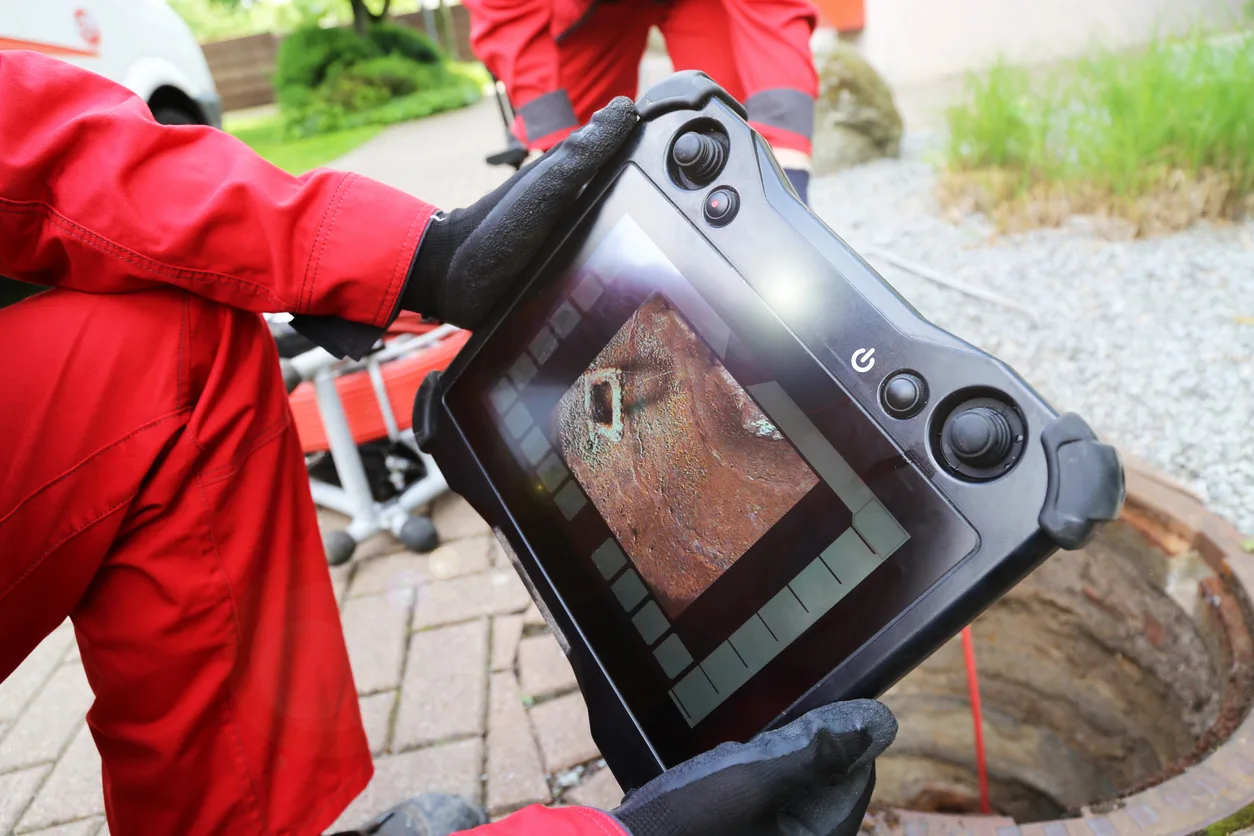
When to run a sewer camera before you do anything else.
A camera inspection shows exactly what is in the line before you commit to cleaning, repair, or replacement. Here is when it pays to look first.

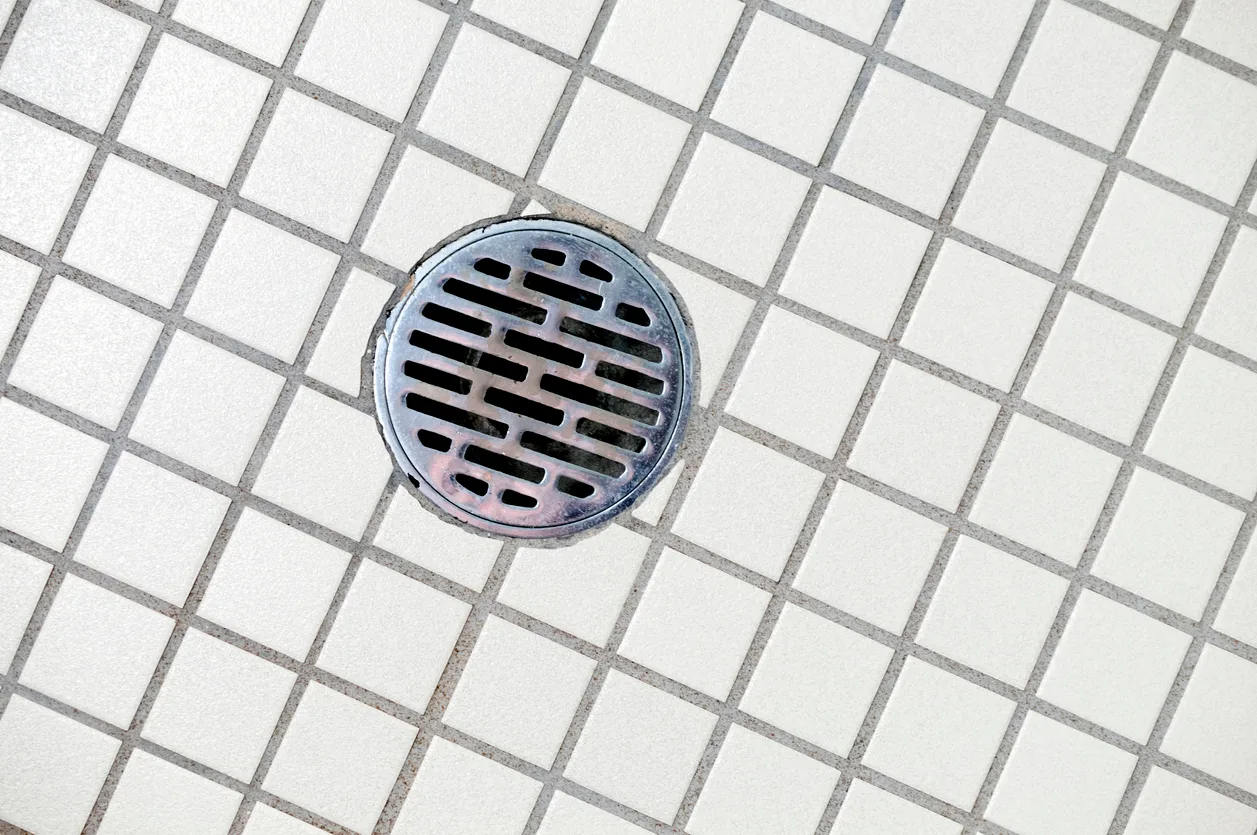
Ask Pete: why does my drain smell like sewer?
A foul odor from a drain is usually one of three things. Pete walks through each cause and what fixes it for good in an East Valley home.
Ask Pete: how do I prevent clogged drains in an East Valley home?
Hard water, caliche soil around exterior drains, and Arizona monsoon season all load your drain system in ways most homeowners do not expect. Pete explains what actually works.