Sewer line repair for East Valley homes that need it done right.
When the camera shows a collapsed section, a cracked clay tile joint, or a length of deteriorating cast iron, trenchless is not always an option. Phend Plumbing handles traditional excavation-based sewer line repair in Mesa, Gilbert, and across the East Valley. Spot repairs for isolated damage, partial replacements for longer failed sections, and honest advice on which approach fits your situation.
A sewer line problem in a Mesa or Gilbert home used to mean one thing: digging. Excavation-based repair is still the right call in a lot of situations, and Phend Plumbing sewer services are built around giving you the method that actually fits the pipe condition, not the method that is easiest to sell. When sewer camera inspection reveals a problem that calls for direct access, Phend excavates, replaces the damaged section, and restores your yard with as little disruption as possible. Here is what that process looks like and when it makes the most sense.
When dig-based repair makes more sense than trenchless
Not every sewer problem is a candidate for trenchless sewer repair. Trenchless methods work well when the pipe has maintained its round cross-section and the damage is limited to the interior pipe wall. But when the pipe has collapsed, severely offset at a joint, or deteriorated to the point where the structural integrity is gone, there is nothing left to line or burst through. You need to remove the failed section and put in new pipe.
Dig-based repair is also the more practical route when the damaged section is short and isolated, accessible from the surface without crossing under a structure, and located in a spot where excavating is straightforward. A spot repair on a 4-foot section of collapsed clay tile in a front yard is a faster, more targeted fix than mobilizing trenchless equipment for a job that does not need it.
The honest answer is that the right method depends entirely on what the camera shows. If you have not had a camera inspection yet, that is where the conversation starts, not with a method recommendation.
Spot repair: targeting isolated damage
A spot repair is exactly what the name suggests. The technician digs down to the specific location where the pipe has failed, removes the damaged segment, and replaces it with new pipe that matches the diameter and slope of the existing line. The trench is backfilled, the area is compacted, and the surface is restored.
Spot repair is the right call when sewer camera inspection shows a single point of failure in a line that is otherwise in acceptable condition. Common candidates are a root intrusion that cracked a single joint in a clay tile section, a collapse caused by soil movement after a monsoon, or a localized section of cast iron that has rusted through while the surrounding pipe is still solid.
This approach minimizes disruption. You are opening a limited trench over the problem, not running equipment the full length of the line. For homeowners with a single isolated failure, spot repair is typically the most cost-effective and least invasive dig-based option available.
Partial line replacement: when one section has gone bad
Partial replacement addresses a longer segment of failed pipe, typically anywhere from 5 feet to 30 feet, rather than the full run from the house to the street. The trench is extended over the affected section, the deteriorated pipe is removed, and new pipe is installed at the correct grade before backfilling.
This is the appropriate scope when the camera reveals that a continuous segment has deteriorated past the point of lining, or when multiple closely spaced failures exist along the same section. Rather than doing three separate spot repairs over two years, partial replacement addresses the whole bad section in a single mobilization.
Partial replacement also makes sense when an older section of clay tile or cast iron transitions to a newer PVC section that is still in good condition. Phend replaces the failed portion and connects to the existing sound pipe, so you are not paying to replace what does not need it.
Pre-1985 cast iron and clay tile in Mesa and Gilbert
The East Valley older neighborhoods carry a specific sewer pipe legacy that shapes a lot of what Phend sees on camera. Homes built before 1985 in Mesa and Gilbert were typically plumbed with one of two materials: vitrified clay tile or cast iron. Both have had decades of service and both show up on camera in predictable ways when they start to fail.
Clay tile was the standard for sewer mains through the mid-1970s. It is a hard, brittle material that holds up fine under stable soil conditions but cracks and offsets when the ground shifts. The East Valley sees soil movement from monsoon-season saturation followed by rapid drying, and from caliche layers that expand and contract unevenly with moisture. Offset clay tile joints are one of the most common findings on camera inspections in pre-1975 Mesa neighborhoods. Tree roots are also drawn to the nutrients at clay tile joints, and once a root finds a crack, it widens it quickly.
Cast iron replaced clay tile through the late 1970s and into the early 1980s. It is more tolerant of soil movement, but it corrodes from the inside out. The hydrogen sulfide gas produced by waste water reacts with the pipe wall over time, causing the crown of the pipe (the top) to thin and eventually flake away. A cast iron pipe that looks intact on the outside can be paper-thin at the crown. Camera footage often shows what looks like rough, rusted interior walls or visible voids at the top of the pipe. That is a material that cannot hold a liner and needs to come out.
If your Mesa or Gilbert home was built before 1985 and has never had a sewer camera inspection, that inspection is worth scheduling before you have a backup or a collapse. Knowing what material you have and what condition it is in gives you real information for planning ahead, rather than reacting to an emergency.
What excavation actually involves
A lot of homeowners picture excavation as chaotic and destructive. The reality is more controlled than that. Here is what a typical dig-based sewer repair actually looks like at a residential property.
The technician confirms the exact location and depth of the damaged pipe using the camera footage. Utility locates are called before any digging starts. Arizona 811 is required for all excavation work, and Phend follows this on every job. Hand digging is used near existing utility lines to avoid damage.
The trench is opened over the damaged section. Typical residential sewer lines run 3 to 6 feet below grade. In caliche-heavy East Valley soil, this depth can require mechanical equipment, since caliche is a calcium carbonate hardpan that does not yield easily to a shovel. Phend uses compact excavation equipment suited for residential lots to minimize the footprint of the dig.
The failed pipe section is removed. New pipe is laid in the trench at the correct grade, connected to the existing sound pipe at both ends, and pressure-tested before backfill begins. Backfill is compacted in lifts to restore soil stability and reduce settling over time. A post-repair camera run confirms the new section is properly seated and the line is clear.
The whole process for a straightforward spot repair in an accessible front yard typically runs one to two days. A longer partial replacement with more difficult access may take two to three days. Phend gives you a realistic timeline at the start of the job.
Restoring your yard and hardscape after repair
This is the part that concerns most homeowners most. The honest picture: Phend crew handles the plumbing repair and the backfill. Surface restoration depends on what is above the trench.
For grass and dirt areas, the excavated soil is returned and compacted. Grass typically regrows on its own over a few weeks. Phend can advise on overseeding if the trench went through lawn.
For concrete flatwork, a driveway approach, a sidewalk, or a patio slab, the repair requires cutting the concrete over the trench, completing the plumbing work, and then patching or replacing the concrete section. Concrete patch work is handled as part of the job scope, though a full slab section that needs color-matched or decorative concrete may involve a separate concrete contractor.
For paver driveways and patios, pavers are lifted, the trench is dug and repaired, and the pavers are reset. Paver restoration is typically cleaner than poured concrete because the pavers lift and reset without the visible seam a concrete patch leaves behind.
If the trench passes through landscaping, plants may need to be temporarily removed and reset after compaction. Phend crew works to minimize root damage to established landscaping, and your technician will flag anything that needs to come out before digging starts.
The conversation about surface restoration is part of every estimate. You will know what the surface impact looks like and how it will be addressed before any work begins.
Comparing dig vs. trenchless for your home
The right choice between excavation and trenchless sewer repair comes down to the pipe condition and the site layout. Here is a plain-language way to think about it.
Trenchless (CIPP lining or pipe bursting) is the right call when the pipe has a functioning round cross-section, the pipe walls have enough integrity to support the liner or withstand the burst, and the access points at each end of the run are reachable. Trenchless avoids most excavation, preserves surface features above the line, and is often faster than a full dig when the conditions are right.
Excavation-based repair is the right call when the pipe has collapsed, severely offset at a joint, or deteriorated to the point where nothing is left to line through. Dig-based repair is also appropriate when the damaged section is short and isolated, when the site layout makes trenchless access impractical, or when the pipe transition at the ends of the damaged section makes connecting a liner difficult.
Some situations genuinely call for a hybrid approach: a length of pipe that is trenchless-eligible on one end and collapsed at a specific joint that needs spot access. Phend evaluates each job on its own conditions and recommends the combination that addresses the actual problem rather than defaulting to the method the crew happens to have on the truck.
A camera inspection is the only honest way to arrive at this recommendation. If someone quotes you a trenchless or a dig-based repair without looking at the pipe first, get a second opinion.
Permitting and city inspection
Sewer line repair in Mesa, Gilbert, and most East Valley municipalities requires a permit when the work involves replacing more than a minimal section of the lateral. Phend pulls the permit on every job that requires one and schedules the city inspection on your behalf.
This matters for two reasons. First, the inspection confirms that the repair was made to current code: correct pipe material, correct grade, correct connection method. Second, the permitted work record stays with the property. When you sell the home, a buyer inspector who finds evidence of sewer repair work will ask whether it was permitted. A permit in the city system is a clean answer.
Phend provides documentation of the permit and the inspection sign-off at the close of each job. If your insurance carrier needs documentation of the scope and cause of the repair, Phend can provide a written assessment to support the claims process.
Call Phend Plumbing for sewer line repair in Mesa and Gilbert
Phend Plumbing serves Mesa, Gilbert, Chandler, Tempe, Queen Creek, San Tan Valley, Scottsdale, and the broader East Valley for sewer line repair and replacement. If your camera inspection is already complete and you are ready to move to repair, or if you are seeing signs of a sewer problem and need to start with a diagnosis, call (480) 388-6093. We will walk you through what the camera shows, explain every option in plain language, and give you a written quote before any excavation begins.
Recent work
Gallery
Common questions
Will my yard be torn up during a sewer line repair?
The short answer is yes, at the location of the damaged pipe. Dig-based repair requires opening a trench over the failed section. The width and length of that trench depends on the depth of the pipe, the size of the damaged area, and what is above it. A straightforward spot repair in an open front yard means a trench roughly 2 to 3 feet wide and 4 to 6 feet long. A partial line replacement covers more ground. Phend marks out the expected trench footprint before digging starts so you know exactly what area is affected. Backfill is compacted in lifts after the repair, and surface restoration is discussed as part of every estimate. Call (480) 388-6093 and we can walk you through what the trench scope looks like for your specific situation.
How long does sewer line excavation take?
A spot repair in an accessible location (front yard, no concrete above the pipe) typically takes one to two days from excavation to backfill. A partial line replacement covering a longer section may run two to three days. Jobs that involve cutting through a concrete driveway or patio add time for the concrete work. Permits, when required, are pulled before work starts and Phend schedules the city inspection. Your technician gives you a realistic day-by-day timeline at the start of the job, not a range that gets revised upward once digging is underway.
Will my homeowners insurance cover sewer line repair?
Standard homeowners insurance policies typically do not cover sewer line repair as a standalone item because pipe deterioration is considered a maintenance issue rather than sudden or accidental damage. Some policies include a sewer line endorsement or a service line coverage rider that expands what is covered. If the sewer damage was caused by a covered event, such as a tree that fell and crushed the lateral, the damage may fall under the main policy. The only way to know what your specific policy covers is to read the policy language and contact your carrier. Phend provides a written scope of work and a licensed assessment of the cause and condition, which is what most adjusters need to process a claim. Get that documentation from us before you call your insurance company so the conversation moves faster.
Does pipe material affect how sewer line repair is done?
Yes, significantly. Cast iron, clay tile, ABS, and PVC each behave differently during excavation and each connect differently to replacement pipe. Clay tile is brittle and tends to shatter at the cut points, so the technician is careful about where and how cuts are made to avoid extending the damaged section. Cast iron requires cutting equipment suited to the material. Connecting new PVC to existing cast iron requires the correct transition fittings to maintain a watertight joint. Phend identifies the pipe material during the camera inspection before any work is scoped or quoted, so the estimate reflects the actual connection method the job requires.
Can you spot-repair a sewer line that runs under a driveway?
Yes, though it adds cost and complexity. The concrete above the pipe has to be saw-cut and removed over the repair area, the plumbing work is completed, the trench is backfilled and compacted, and then the concrete is patched or replaced. Phend includes concrete cutting and patching in the job scope when the trench crosses a driveway or other concrete flatwork. If the slab is decorative or color-matched, we discuss that before cutting starts so you know what the finished repair will look like. In some cases where the trench under a driveway is long, trenchless methods may be the better route. The camera footage helps determine which approach makes more sense given the pipe condition and the surface above it.
What happens to the yard and landscaping after excavation?
Backfill is returned to the trench in compacted lifts, which reduces settling over time. Grass areas typically recover on their own within a few weeks. If the trench ran through established landscaping, plants along the dig path may need to be temporarily relocated and reset after compaction. Phend flags any plants that need to move before digging starts. Concrete flatwork above the trench is cut and patched as part of the job. Pavers are lifted, reset after backfill, and typically look cleaner after resetting than poured concrete does after patching. The scope of surface restoration is included in the estimate, so there are no surprises at the end of the job.
Does Phend Plumbing warranty sewer line repair work?
Yes. Phend warranties the workmanship on sewer line repair and provides documentation of the permit and city inspection sign-off at the close of the job. The new pipe itself carries a manufacturer warranty. The warranty terms for your specific repair are outlined in the written quote before work begins. If you have a question about what is covered and for how long, ask before you sign the estimate. Your technician will walk through it clearly. Call (480) 388-6093 to discuss the scope and warranty terms for your specific situation.
How do I schedule a sewer line repair with Phend Plumbing?
Call (480) 388-6093 or use the contact form on the site. If you have not had a sewer camera inspection yet, that is the right first step. It is the only reliable way to confirm what the pipe condition actually is before any repair method is quoted. If you already have camera footage from a prior inspection and you are ready to move to repair, share that footage when you call and Phend can often provide a preliminary scope estimate over the phone before scheduling the site visit. Phend serves Mesa, Gilbert, and the East Valley and can typically schedule a camera inspection or repair estimate within a few business days.
Find the problem first. Then decide how to fix it.
Dig-based repair is the right call for collapsed sections, severely offset joints, and deteriorated cast iron and clay tile that cannot hold a liner. Phend Plumbing scopes the repair from the camera footage, gives you a written quote, and pulls the permit before any excavation starts.
- Spot repair and partial replacement for isolated or section failures
- Camera inspection confirms scope before any digging starts
- Permit pulled and city inspection scheduled on every qualifying job
- Concrete cutting, backfill, and surface restoration included in scope
More on sewer repair, pipe conditions, and what to expect.
Short reads from Pete on what the camera shows in East Valley sewer lines and what different repair approaches actually involve.
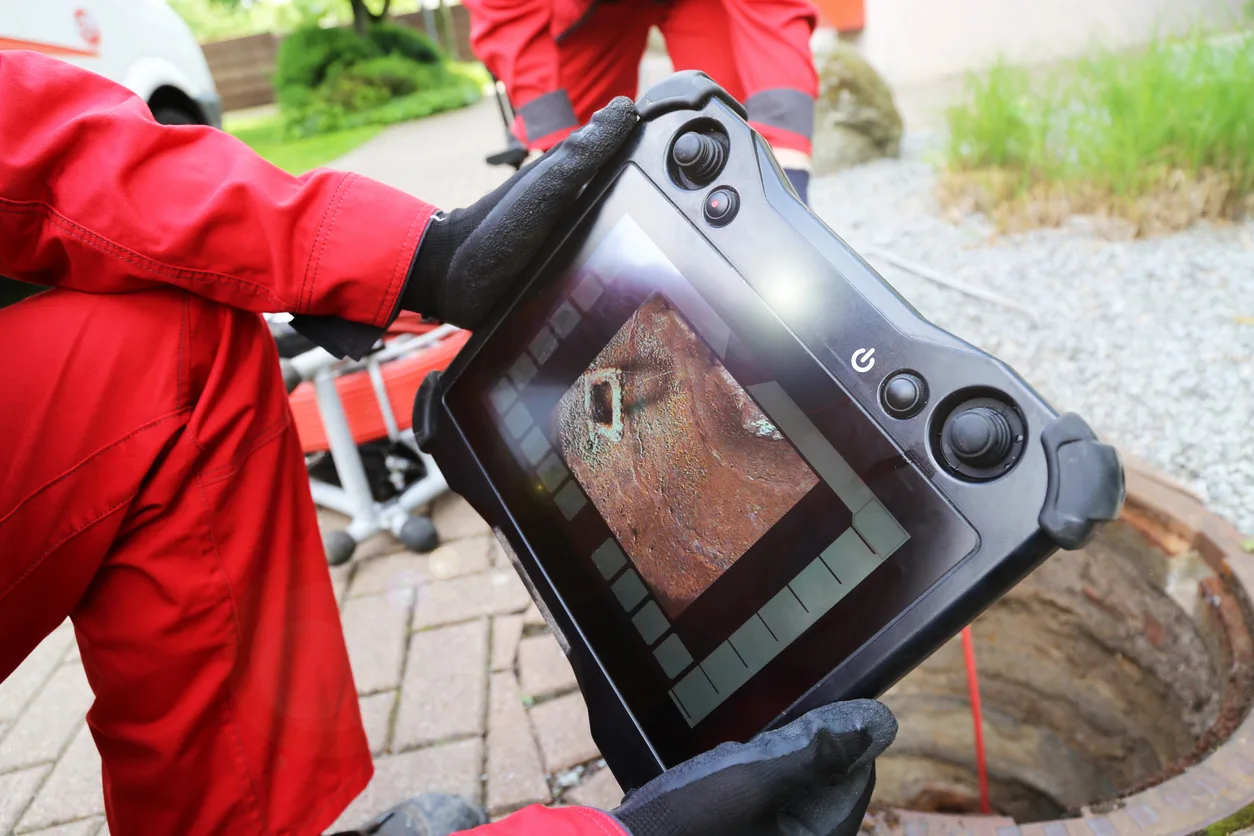
When to run a sewer camera before you commit to repair.
Camera footage is the only reliable way to know what your sewer line actually needs, whether that is a spot repair, a full replacement, or nothing at all yet. Pete explains when to schedule one.

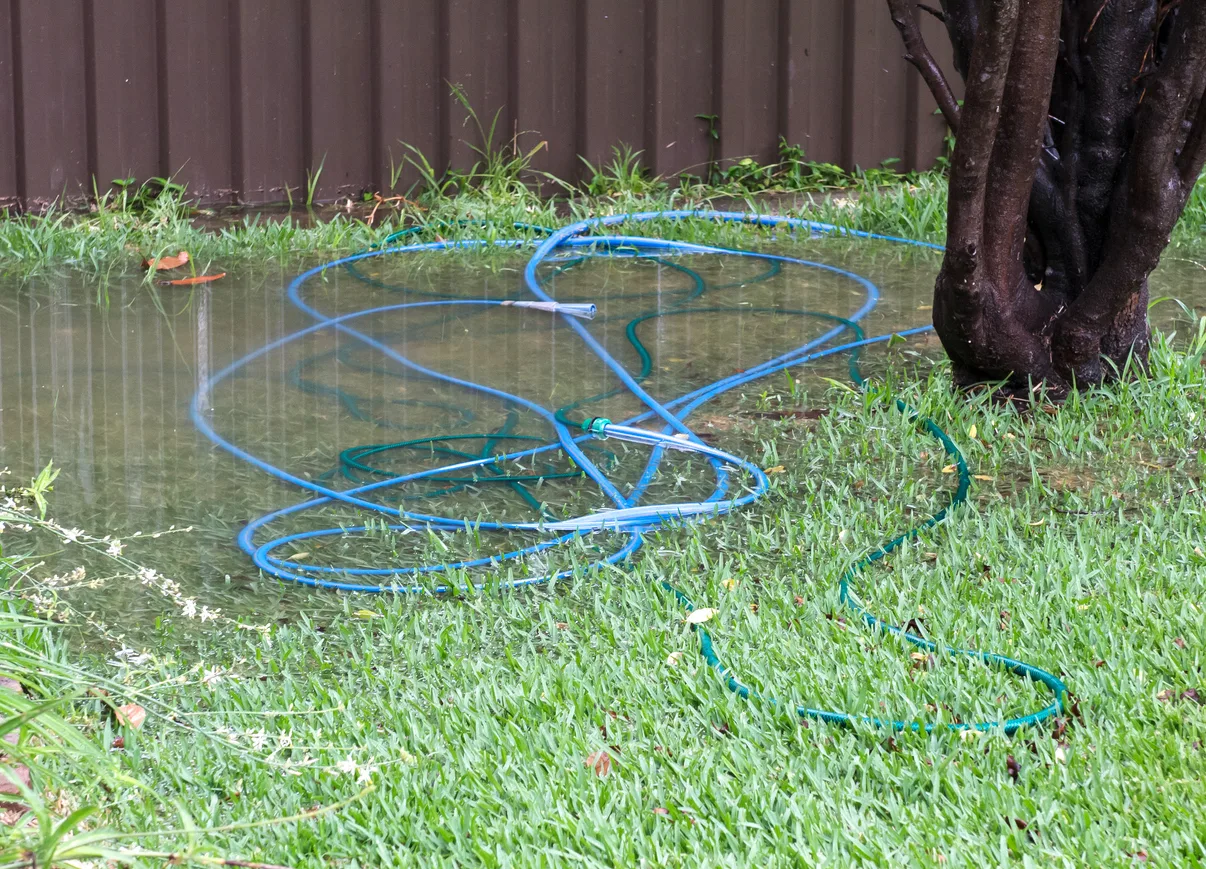
Trenchless vs. dig: how East Valley homeowners are choosing.
No-dig methods work great in the right conditions. Pete covers what makes a sewer line a candidate for trenchless repair versus when traditional excavation is the correct call.
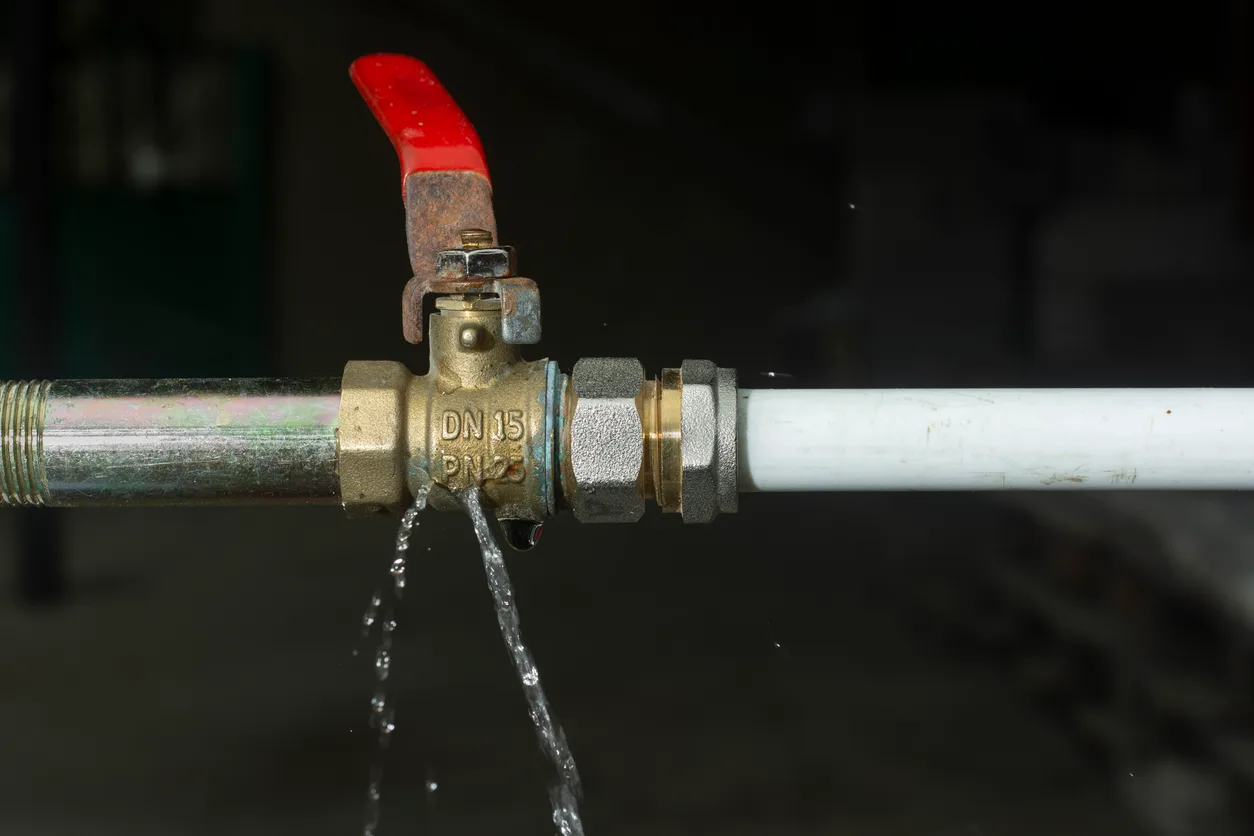
Pipe leak repair in an Arizona home: what to expect.
Hard water and extreme heat make East Valley pipes tougher to maintain than most places. Here is what to expect when a leak is confirmed and repair is on the table.