When your home is actively flooding, the first call matters.
A burst pipe, a slab leak that ran overnight, a sewer backup, a water heater that gave out and soaked the utility room. Phend Plumbing responds fast, stops the water at the source, repairs the plumbing, and gives you the documentation your insurance adjuster needs. We handle the plumbing side. Then we connect you with the restoration contractors who handle everything after that.
When water is actively flooding a Mesa or Gilbert home, the first priority is stopping the source. Everything else follows from that one step. Phend Plumbing emergency plumbing services are built around exactly this scenario: acute water intrusion from a failed pipe, a slab leak that progressed beyond a slow seep, a sewer backup, or a catastrophic water heater failure. We get to you, we stop the water, we diagnose the cause, we repair the plumbing, and we document everything in writing for your adjuster. One licensed crew, one point of contact, and a clear handoff to restoration when our part is done.
What Phend handles when your home is actively flooding
When you call Phend Plumbing in an active flooding situation, here is exactly what we take responsibility for.
We locate and stop the water source. If it is a burst supply line, a failed fitting, a water heater connection that let go, or a slab leak that escalated, we find it and stop it. We identify the cause with confidence, not guesswork, because the repair depends on knowing exactly what failed and why.
We repair the plumbing. Once the water is stopped and the source is identified, we make the repair. That means replacing the failed pipe section, repairing or replacing the water heater connection, addressing the slab leak through the appropriate method, or clearing and repairing the sewer line that backed up. You get a licensed plumbing repair, not a temporary patch.
We document everything in writing. Photos of the damage, a written assessment of the cause, and a line-by-line repair breakdown. This documentation is what your insurance adjuster needs to process the claim and what your restoration contractor needs to scope the remediation correctly.
We coordinate with restoration. Phend works alongside East Valley restoration contractors so the handoff is clean. We can refer you to trusted restoration professionals if you do not already have one, and we communicate directly with their crew so nothing falls through the gap between the plumbing repair and the remediation work that follows.
What Phend does not handle: drywall replacement, carpet removal, structural drying, mold remediation, or interior finish work. Those are restoration contractor tasks, and they require different licensing and equipment. The boundary is clear and we will tell you exactly where it is on the first call.
Stopping the water source
The literal first step in any flooding situation is shutting off the water. If you have not already done this, shut off the main water supply to your home before anything else. In most Mesa and Gilbert homes, the main shutoff is at the street near the meter or at a valve inside the garage. If you cannot locate it or the valve is stuck, call Phend at (480) 388-6093 and we will walk you through it on the phone while dispatch routes a crew to you.
Once a Phend technician is on site, we confirm the shutoff is complete and assess the source. In a burst supply line scenario, the source is usually obvious once water pressure is cut. In a slab leak situation, the water may have been seeping under the slab for hours before it surfaced, which means the visible flooding understates the actual saturation. In a sewer backup, stopping the source means preventing additional discharge and isolating the blockage before any clearing work begins.
Speed matters here. Every additional hour of active water contact increases saturation in subfloor material, wall cavities, and insulation. Materials that are wet for under 24 hours have a much higher chance of drying without mold remediation than materials that have been wet for 48 to 72 hours. Getting the source stopped quickly is not just about preventing more flooding. It directly affects the scope and cost of the restoration work that follows.
Common causes of indoor flooding in East Valley homes
Phend Plumbing responds to active flooding calls across Mesa, Gilbert, and the East Valley. The causes break into five categories, each with its own repair path.
Burst supply lines. Supply lines to toilets, refrigerators, washing machines, and under-sink connections are among the most common flood sources in residential homes. These are typically braided stainless or polymer lines that have a 5 to 10 year lifespan. Arizona extreme summer heat accelerates deterioration, especially for lines in unconditioned spaces like garage laundry areas where temperatures can exceed 120 degrees. A burst washing machine hose can discharge 500 to 800 gallons per hour. If this happens while you are away, you may come home to several inches of standing water.
Slab leak progression. A slab leak that has been slowly seeping under a Mesa or Gilbert home foundation can escalate to a flooding scenario when the volume of water finally breaches the slab surface or saturates the subfloor to the point of visible standing water. Slab foundations are standard across the East Valley, and hard water at 300 to 500 ppm accelerates the copper pipe corrosion that causes these leaks. By the time flooding is visible, the slab has often been saturated for days or weeks.
Sewer backup. A blocked or failed sewer line can force sewage backward through the lowest drains in the house, typically floor drains, shower pans, or toilets on the ground floor. This is both a flooding situation and a biohazard situation. Phend clears and repairs the plumbing side. Restoration contractors handle the sanitation and remediation.
Water heater failure. A water heater tank that ruptures or a pressure-temperature relief valve that discharges into an uncontained space can flood a utility room or garage quickly. This is especially common in Arizona, where water heater tanks in garages are exposed to extreme summer heat that shortens their lifespan. Corrosion at fittings and connections is another common failure point that produces a slow but persistent leak that eventually becomes a flood.
Failed fittings and pipe connections. Thermal cycling from Arizona extreme temperature swings, hard water scaling at solder joints, and aging copper pipe all contribute to sudden fitting failures. In a repipe candidate home, a joint that has been failing slowly may finally let go without warning.
What Phend covers vs. what a restoration contractor covers
This boundary causes more confusion in an active flooding situation than almost anything else. Here is the plain-language version.
Phend Plumbing handles:
- Locating and stopping the water source
- Diagnosing the cause of the failure
- Repairing or replacing the failed plumbing (supply line, water heater, sewer line, slab leak pipe)
- Written documentation of the failure cause, repair scope, and before/after condition for your insurance adjuster
- Coordination and direct communication with your restoration contractor
Restoration contractors handle:
- Structural drying (industrial air movers and dehumidifiers)
- Moisture mapping and monitoring
- Removing and disposing of saturated materials (carpet, drywall, insulation, flooring)
- Mold testing and remediation if needed
- Rebuilding finished surfaces (drywall, paint, flooring, cabinets)
The reason these are separate is licensing. Plumbing repair in Arizona requires an active AZROC plumbing license. Water damage remediation and structural drying require their own certifications under IICRC standards. One crew cannot legally do both, and a company that claims to do everything under one roof typically does one part well and the other part adequately.
Phend focuses on the plumbing because that is what we are licensed and equipped for. We refer restoration work to East Valley contractors we trust because a clean handoff means your home gets fixed correctly, not fast and wrong.
Documentation for your insurance claim
The quality of your plumbing documentation is one of the most practical factors in how quickly and completely your insurance claim resolves. Adjusters need specific information that a general contractor or restoration company cannot always provide. A licensed plumber written assessment of the cause, scope, and repair is what moves the file forward.
Phend provides the following documentation on every flooding job:
Cause determination. A written assessment of what failed, why it failed, and whether the failure was sudden and accidental (which most standard policies cover) or the result of gradual deterioration (which many do not). This distinction matters to your adjuster and is best established by a licensed plumber at the scene, not weeks later.
Photo documentation. We photograph the failure point, the extent of visible water damage, and the condition of the repair before and after. These photos are time-stamped and referenced in the written report.
Repair scope and itemization. A line-by-line breakdown of every plumbing repair completed: materials, labor, and any components replaced. This is what the adjuster uses to evaluate the claim and what the restoration contractor uses to understand the scope of work already completed.
Permit documentation. When the plumbing repair requires a permit (slab leak repair, water heater replacement, sewer line work), Phend pulls the permit and provides documentation of the city inspection sign-off at the close of the job.
Call (480) 388-6093 when you place the service call and let us know you are filing a claim. We flag the file internally so the technician knows to complete full documentation on arrival, and we can produce a supplemental written assessment for the adjuster if needed after the initial visit.
Coordinating with restoration companies in the East Valley
Getting the plumbing repair and the restoration work sequenced correctly matters more than most homeowners realize. If restoration crews start removing drywall before the plumbing is confirmed repaired, they may open walls only to find the leak was not fully addressed and the new framing gets wet immediately. If the plumbing crew is still working when the drying equipment arrives, the two crews get in each other way.
The right sequence is: stop the water, repair the plumbing, confirm no active leak, then hand off to restoration for moisture mapping, drying, and rebuild.
Phend communicates directly with restoration crews to make that handoff clean. We tell them exactly what was repaired, where the work was done, and what areas were affected by the plumbing failure so they know where to start moisture mapping and where not to demo unnecessarily.
If you do not already have a restoration company, Phend can refer you to trusted East Valley contractors we work with regularly. These are relationships built on actual job performance, not referral fees. We are not going to send you to a company that will make our job harder or leave your home in worse shape.
What happens in the first 24 hours after the call
Within the first hour. A Phend technician arrives, confirms the water source is stopped (or stops it), and begins a full assessment of the failure. Photos are taken, the cause is identified, and the repair scope is communicated to you in plain language before any paid work begins.
Within two to four hours. For most burst supply lines, water heater failures, and sewer backups, the plumbing repair is completed on the same visit. A slab leak that requires access through the foundation or a major sewer line repair may require a follow-up visit, but the water source is stopped and the home is stabilized on the first call regardless.
Same day or next morning. You receive a written summary of the cause, the repair completed, and any follow-on work needed. If you are filing an insurance claim, this document goes with your first call to the adjuster. If you need a restoration contractor, Phend makes the referral and handles the first call introduction.
Within 24 to 48 hours. Restoration crews typically begin moisture mapping and drying equipment setup. The sooner drying equipment is running, the lower the chance that saturated materials cross the threshold where mold becomes a concern. Phend documentation is already in their hands before they arrive.
What does not happen: you are not left wondering what was repaired, whether it is fixed, or who to call next. That is what the documentation and the direct contractor coordination are for.
When you discover the flood overnight or on a holiday
Water does not wait for business hours. A burst washing machine hose discovered at midnight, a sewer backup on a Saturday, a water heater rupture on Thanksgiving morning. Phend Plumbing takes emergency calls around the clock, including nights, weekends, and holidays.
When you call (480) 388-6093 after hours, you reach a real person who dispatches a licensed technician. You are not leaving a voicemail and waiting until morning. In an active flooding situation, the difference between a midnight call and an 8 AM call can be measured in thousands of dollars of additional water damage.
Arizona monsoon season, July through September, is when the East Valley sees the highest concentration of emergency plumbing calls. Monsoon-driven pressure surges, ground movement from heavy rains saturating dry soil, and the thermal cycling that hits pipes hard when a monsoon drops the temperature 40 degrees in 30 minutes all contribute to pipe failures that happen overnight and on weekends.
Extreme summer heat is the other driver. Water heater tanks in Arizona garages operate in ambient temperatures that can exceed 130 degrees in July and August. The stress on tank connections, anode rods, and pressure-temperature relief valves during these months is significant, and failures tend to happen when the system has been running hardest. If your water heater is more than 8 years old and in a hot garage, it is worth a proactive inspection before it makes the midnight call for you.
Call Phend Plumbing in Mesa and Gilbert for flood damage repair
Phend Plumbing serves Mesa, Gilbert, Chandler, Tempe, Queen Creek, San Tan Valley, Scottsdale, and the broader East Valley. When water is on the floor, call (480) 388-6093. We stop the water, repair the plumbing, document everything, and get you connected with restoration so the path forward is clear. No situation is too far along for a licensed plumber to help, and no call is too late in the day to place.
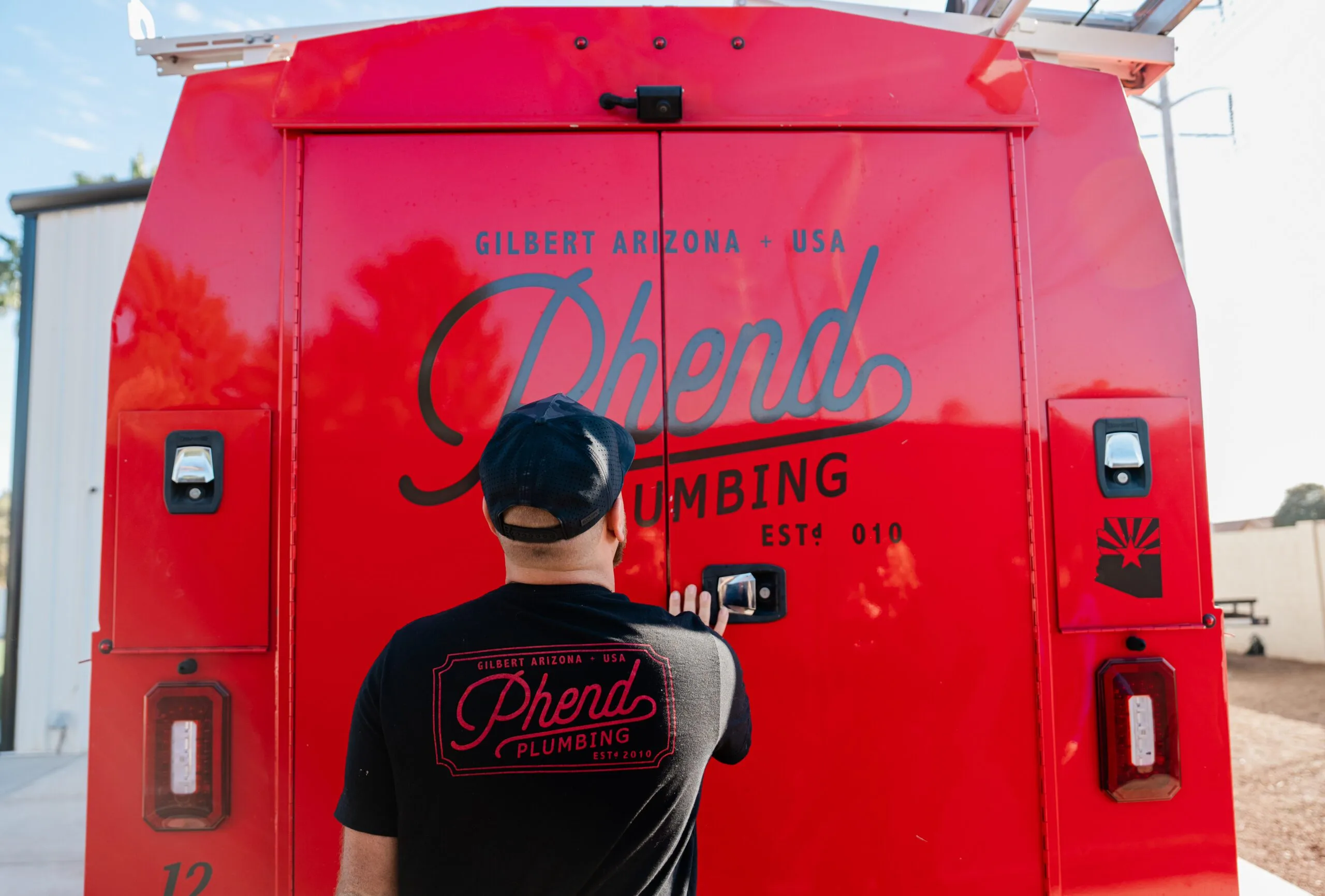
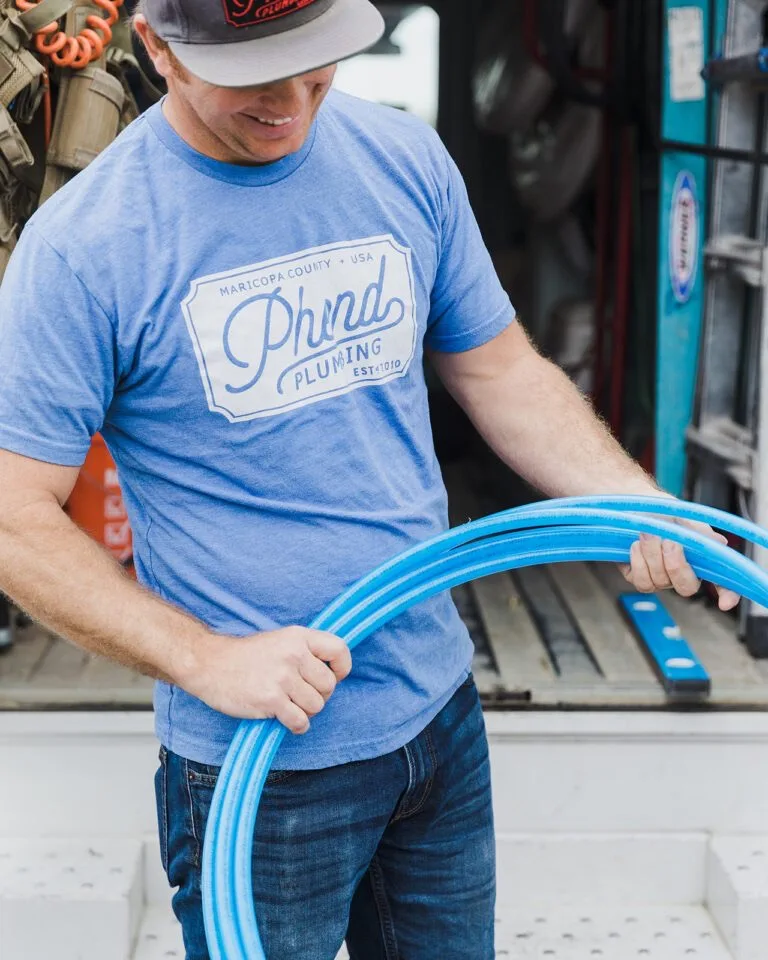
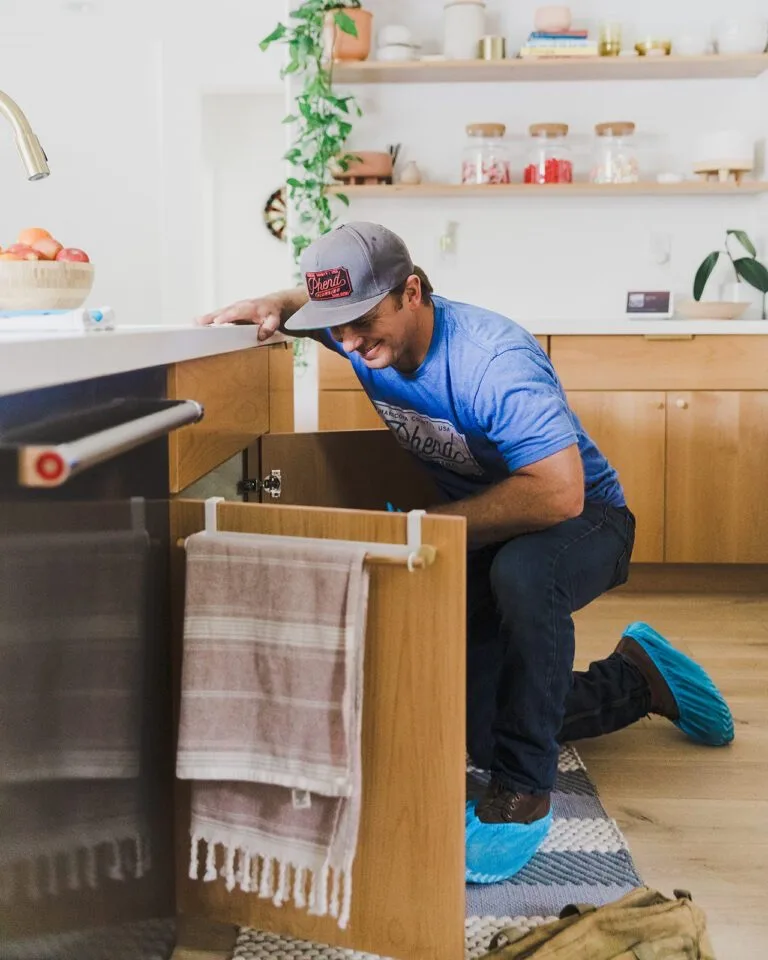
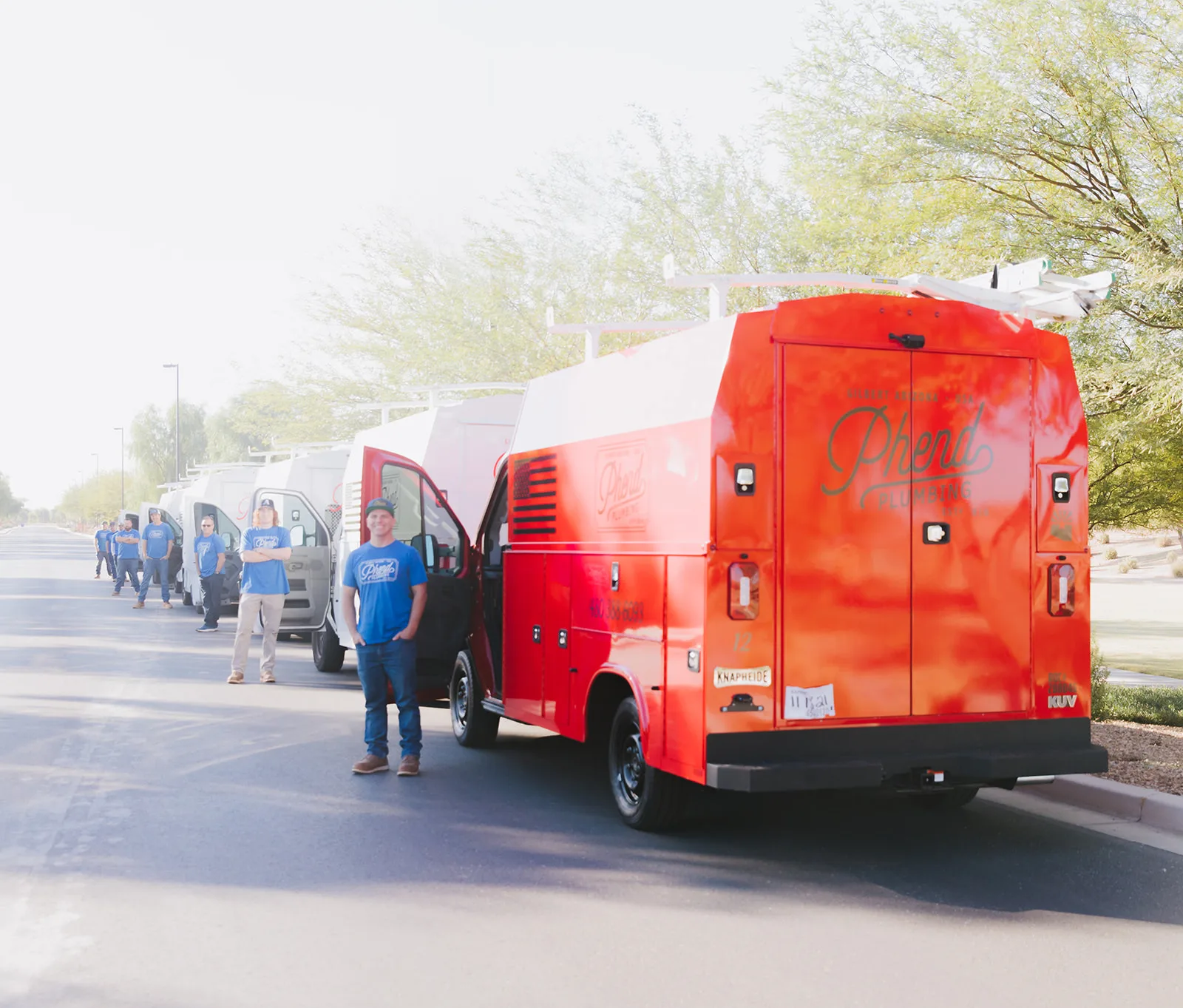
Recent work
Gallery
Common questions
Should I call the plumber or the restoration company first?
Call the plumber first. The plumbing source has to be stopped and repaired before restoration work can begin in earnest. If restoration crews start drying and demoing before the leak is confirmed fixed, they risk re-wetting material they have already dried or opening walls around a pipe that is still active. Phend Plumbing handles the plumbing repair and then coordinates directly with your restoration contractor so the sequencing is correct. Call (480) 388-6093 and we will walk you through the next steps for your specific situation.
How fast can Phend get to my home in an active flooding situation?
Phend Plumbing takes emergency calls around the clock, including nights, weekends, and holidays. When you call (480) 388-6093, you reach a real dispatcher who routes the closest available technician to your address. Response time varies by location and time of day, but we treat active flooding calls as the priority they are. Mesa and Gilbert homes are typically within our fastest response zones. While you wait, the most important thing you can do is shut off the main water supply to the house.
Will my homeowners insurance pay for flood damage repair?
Standard homeowners insurance typically covers sudden and accidental water damage from burst pipes, failed fittings, and water heater ruptures. What it covers depends on your specific policy and carrier, but most policies cover the water damage cleanup and restoration and may cover some or all of the plumbing repair depending on the cause. What most policies do not cover is damage from gradual leaks that were present for an extended time without action. Phend provides a written cause determination and repair documentation that supports your claim. Get that document before you call your adjuster so the conversation moves faster.
What should I do until Phend arrives?
Shut off the main water supply to your home if you have not already. This stops additional water from entering the home regardless of where the break is. If you have a sewer backup, do not run any water or flush any toilets until the blockage is cleared. Move any electronics, valuables, or documents away from standing water if it is safe to do so. Do not use a standard household vacuum to remove standing water. Document what you see with your phone camera before anything is moved. Then wait for the technician. The most important thing you can do in the first 10 minutes is stop the water source, and shutting the main valve accomplishes that.
Do you work directly with my restoration company?
Yes. Phend communicates directly with restoration crews to ensure the handoff is clean. We tell them what was repaired, where the plumbing work was done, and what areas of the home were affected so they know where to start moisture mapping and what surfaces to prioritize for drying. If you do not already have a restoration contractor, Phend can refer you to trusted East Valley companies we work with regularly. These are relationships based on actual job performance on shared projects, not referral arrangements.
Can you determine where the water came from if I am not sure?
Yes. Identifying the water source is the first thing a Phend technician does on site. Most active flooding scenarios have a clear source once the system is evaluated: a failed supply line, a ruptured water heater connection, a slab leak that surfaced, or a sewer line backup. In cases where the source is not immediately obvious, Phend uses diagnostic tools to trace the water path and identify the failure point before any repair is quoted or begun. You get a clear cause determination in writing, which is also what your insurance adjuster will need.
What about the damaged flooring and drywall?
Phend Plumbing handles the plumbing repair and the documentation. Flooring removal, drywall demo, structural drying, and interior rebuild are restoration contractor work, and they require separate licensing and equipment under IICRC standards. Phend coordinates the handoff and can refer you to trusted East Valley restoration contractors. The restoration scope typically begins after the plumbing is confirmed repaired and the water source is stopped. If you try to rebuild finished surfaces before the plumbing is verified fixed, you risk re-saturating materials that are already in place.
Does Phend warranty the plumbing repair after a flooding event?
Yes. Phend warranties the workmanship on every plumbing repair, including emergency flooding repairs. The warranty terms for your specific repair are outlined in the written estimate before work begins. Any components or parts installed carry a manufacturer warranty. If a permitted repair is required, Phend provides documentation of the permit and city inspection sign-off at the close of the job. If you have questions about what is covered and for how long, ask your technician before any work starts. Call (480) 388-6093 to discuss your specific situation.
Stop the water. Then fix what caused it.
Burst pipe, slab leak, sewer backup, or water heater failure across Mesa, Gilbert, and the East Valley. Phend stops the source, repairs the plumbing, and documents everything your adjuster needs.
- Active flooding response, day or night
- Written cause determination and repair documentation for insurance
- Direct coordination with your restoration contractor
- Licensed plumbing repair with permit pulled where required
More on emergency plumbing, flooding, and what to do first.
Short reads from Pete on what happens when water damage hits an East Valley home and how to protect yourself before the crew arrives.

Emergency plumbing in the East Valley: what to do right now.
When a pipe bursts or a sewer backs up, the first 15 minutes determine how much damage you end up with. Pete covers the steps that matter most before the crew arrives.

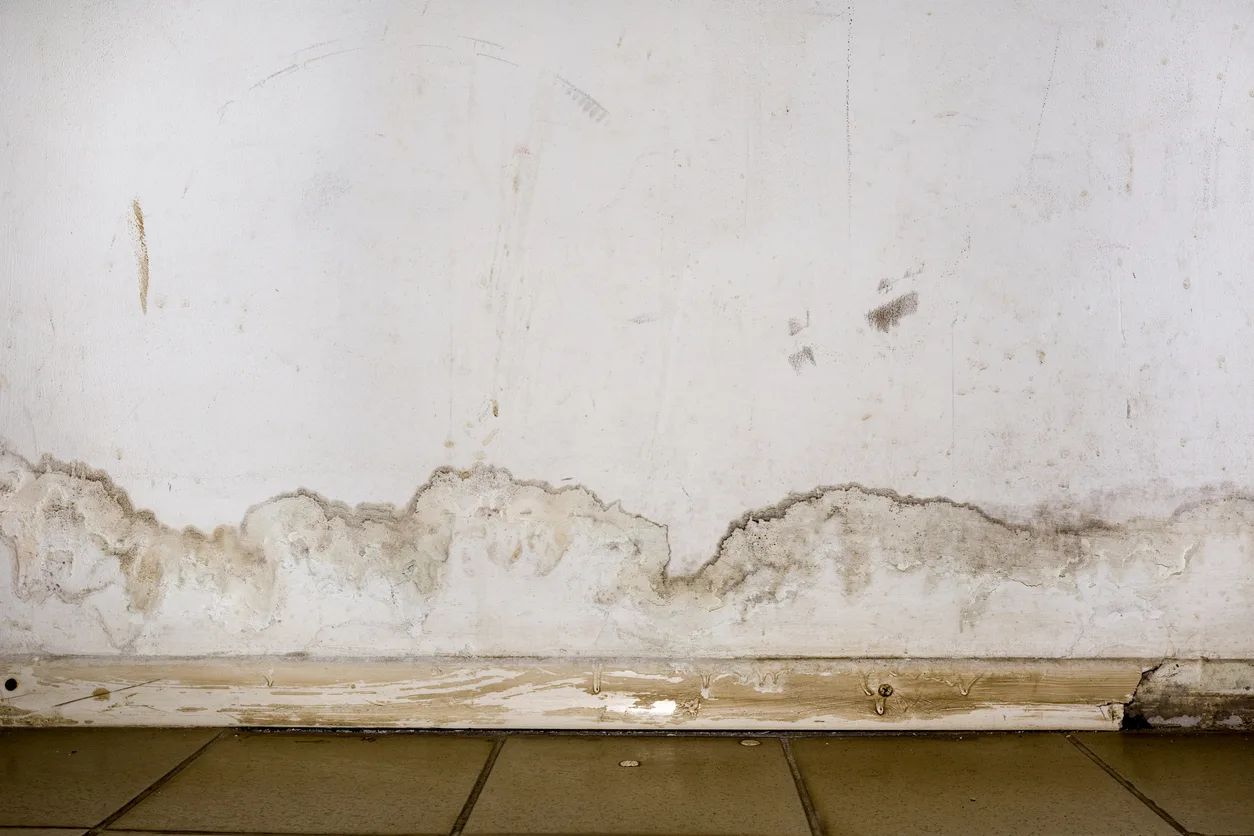
A leaking water heater in an Arizona home: act fast or pay more.
Arizona garage temperatures hit 130 degrees in July. That kind of heat accelerates water heater failure in ways most homeowners do not expect. Here is what to do when yours starts leaking.
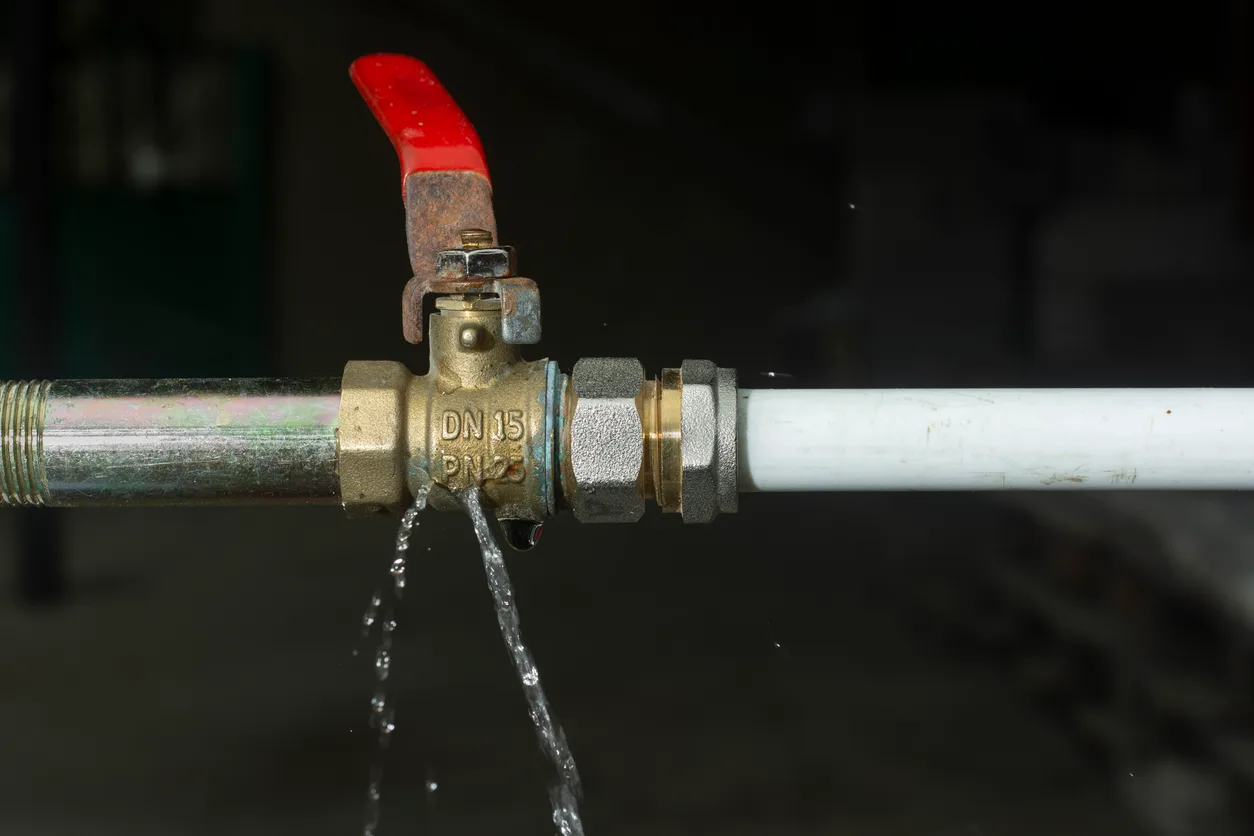
Pipe leak repair in an Arizona home: what you need to know.
Hard water and extreme heat make East Valley pipes tougher on copper than most places in the country. Here is what to expect when a leak is confirmed and repair is on the table.