Slab leak repair options for East Valley homeowners.
A slab leak gives you options, not just a bill. Phend explains every repair method, picks the one that makes the most sense for your home, and gives you a written quote before any work starts.
A slab leak in a Mesa or Gilbert home is not just one decision. It is a sequence of them: confirm the leak, locate it, choose the right repair method, and understand what comes after. Phend Plumbing's slab leak services cover all of it. Once slab leak detection has pinpointed the exact location, we walk you through every repair option in plain language, explain when each one makes sense, and give you a written quote before any work begins. No guesswork, no pressure, no unnecessary demo.
Why you should not wait on a slab leak repair
It is common for homeowners to see the early signs of a slab leak and take a wait-and-see approach. The water bill went up. There is a faint sound of running water. A small damp spot appeared near the baseboard. None of it looks catastrophic, so it is easy to put off the call.
That hesitation is expensive. Here is what happens when a slab leak runs without repair.
- Water continuously erodes the compacted soil or sand beneath the slab. As material washes away, voids form under the foundation.
- With voids under the slab, the concrete loses its support and begins to settle or crack. Once the slab cracks, the damage spreads to interior walls, door frames, tile grout lines, and drywall throughout the home.
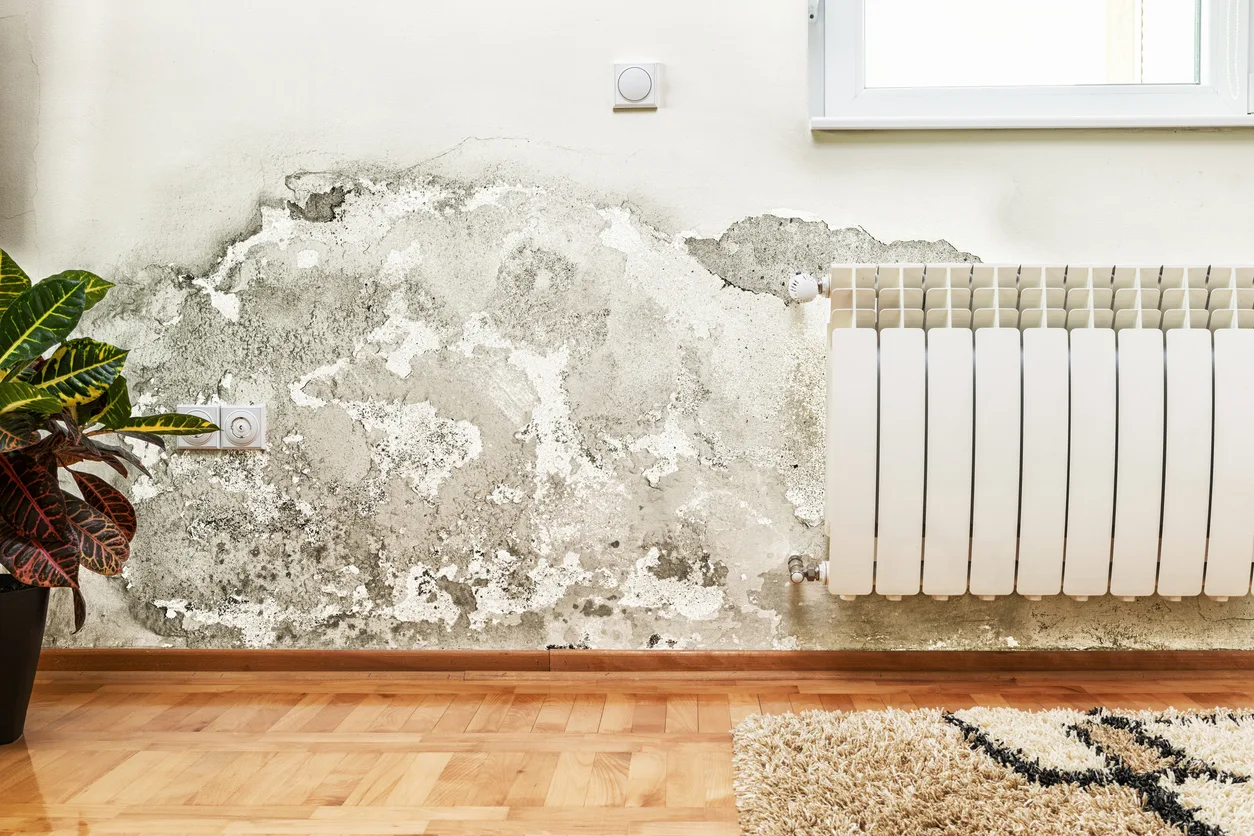
- Standing moisture under and within the slab promotes mold growth in the concrete, under flooring, and inside walls. Mold remediation on top of a plumbing repair is far more expensive than a timely repair alone.
- The longer the leak runs, the more water damage accumulates in surrounding materials: flooring adhesives, baseboards, drywall, insulation, and framing.
The repair cost for an active slab leak caught early is almost always lower than the cost of repairing a leak that has been running for weeks or months. The foundation and structural repair that can follow a long-running slab leak dwarfs the plumbing bill. Call Phend Plumbing at (480) 388-6093 when you first suspect a problem, not after the floor buckles.
The five slab leak repair methods Phend uses
Not every slab leak gets fixed the same way. The right method depends on where the leak is, how old the pipes are, how much pipe is affected, and what your floors are made of. Phend carries all five of the main repair options and recommends the one that makes the most sense for your specific situation.
1. Spot repair (direct access repair)
This is the most straightforward method when the leak is isolated to a single point. The technician cuts through the concrete directly over the confirmed leak location, accesses the failed section of pipe, replaces or patches it, and patches the concrete. Any flooring above the cut area typically needs to be repaired or replaced.
When it makes sense: a single pinhole leak in an otherwise healthy pipe in a home with relatively new copper and good overall pipe condition. If the surrounding pipe walls look solid during inspection and there is no history of prior leaks in the same cluster, a spot repair is a reasonable call.
When it does not: if the pipe has multiple failure points, if the copper is thinning throughout, or if the home has a history of recurring slab leaks, opening up one spot just delays the next repair. In those cases, a broader solution is the smarter financial move.
2. Pipe rerouting (pipe abandonment and bypass)
Instead of accessing the failed pipe through the slab, the old pipe is abandoned in place and a new water line is run through the walls, through the attic space, or along the exterior to bypass the damaged section. This avoids cutting the floor entirely and is often the preferred method for hot water line failures.
When it makes sense: when the leak is in a location that is difficult to access through the slab, when the existing pipe is old enough that a spot repair is likely to be followed by another nearby failure, or when the homeowner wants to avoid floor demolition and restoration costs. Rerouting through the attic is one of the most common approaches for hot water lines in Mesa and Gilbert homes because the attic path is often straightforward.
Why homeowners sometimes get nervous: a reroute through the attic can sound alarming if you do not know the method. It is actually a well-established, code-compliant repair. Phend explains the reroute path, shows you where the new line will run, and explains why it is the right call before any work starts. A reroute does not mean something is wrong with your home. It means we are fixing the problem in the most durable way.
3. Internal pipe lining (pipelining or epoxy lining)
A specialized liner is run through the interior of the existing pipe and cured in place, sealing leaks and protecting the pipe from further corrosion without removing or replacing it. The existing pipe stays in the slab. Only the liner is new.
When it makes sense: when the pipe layout makes physical access difficult, when multiple sections of the line are showing wear, or when a homeowner wants to preserve flooring and minimize demo. Pipelining works best on straighter runs of pipe in good enough overall condition to hold a liner.
When it does not: if the pipe has collapsed sections, significant corrosion scaling, or geometry that prevents the liner from seating properly, pipelining is not the right choice. Phend evaluates the pipe condition before recommending this method.
4. Trenchless repair
Trenchless methods use access points at the ends of the pipe run rather than cutting along its length, allowing repairs on longer sections with minimal excavation. This category overlaps with pipelining but also includes pipe bursting, where a new pipe is pulled through the path of the old one.
When it makes sense: when a longer section of pipe needs to be addressed and the access points at each end are reachable, or when the pipe path runs under landscaping or structures that make open-trench access impractical.
5. Opening the foundation (last resort)
In some cases, particularly when a major pipe failure requires full replacement of a section with no viable reroute path, cutting a trench through the slab is the only option. Phend treats this as a last resort, used only when the other four methods are not appropriate for the specific situation.
When it makes sense: rare cases with a major pipe collapse, a cluster of failures in the same section, or a layout that makes rerouting impractical. Always explained and quoted in full before any cutting starts.
How to understand a reroute recommendation
If a Phend technician recommends rerouting your pipes through the attic or walls instead of opening the floor, here is the context that makes that recommendation make sense.
In the East Valley, most hot water slab leaks happen because the copper pipe has been subjected to 20 to 40 years of thermal cycling in extreme Arizona temperatures. A spot repair at the failure point does not address the rest of the pipe, which has been through the same abuse. If the copper wall thickness has thinned throughout the line from hard water corrosion and thermal stress, the next spot repair is likely to follow within a year or two.
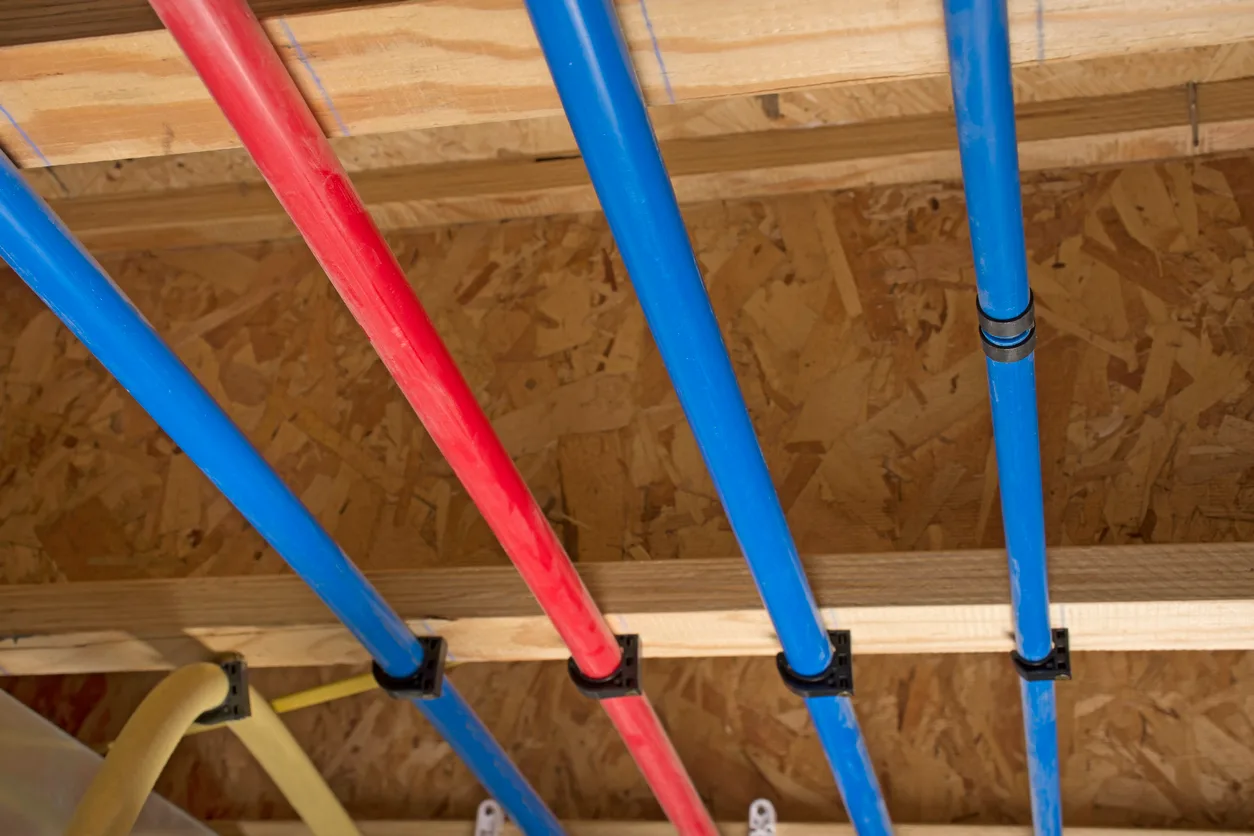
Rerouting replaces the problem entirely. New PEX or copper lines run above the slab are not subject to ground moisture, soil movement, or the same thermal differential as buried pipe. They are also accessible if they ever need service in the future, which buried pipe is not.
The cost of a reroute is typically higher than a spot repair, but so is the cost of two or three spot repairs over the next five years. Phend explains this tradeoff honestly, gives you both numbers, and lets you decide. If a full repipe makes more sense than a targeted reroute given the age and condition of the overall system, we will say that too.
The dangers of an untreated slab leak
The three biggest risks from a slab leak that goes unrepaired are foundation damage, mold, and cascading water damage throughout the home.
Foundation damage is the most serious. The East Valley's caliche-heavy soil is relatively stable when dry but can shift when saturated. A persistent slab leak can wash fines from the soil under your foundation, creating soft spots and voids. When the slab loses its bearing, you get cracking in the slab itself, which shows up as cracked tile, sticking doors, and visible wall cracks. Foundation repair in Mesa can run into five figures and is not typically covered by homeowners insurance.
Mold grows wherever moisture and organic material meet. Carpet pad, wood subfloor, and the paper facing on drywall are all mold food. A slab leak that has been running for three months may have established mold colonies in the wall cavity and under the flooring long before the surface looks damaged. Mold remediation on top of a plumbing repair adds significant cost and requires proper containment to avoid spreading spores.
Cascading water damage means what started as a pinhole leak becomes a soaked wall, a buckled hardwood floor, and corroded electrical conduit. The longer the leak runs, the more materials it touches and the higher the total restoration bill.
None of this is meant to alarm you unnecessarily. Most slab leaks, caught at the first signs, result in a repair that is completely manageable and does not involve any foundation work or mold remediation. The message is simple: act early.
What to expect during and after a slab leak repair
Most slab leak repairs take two to three days from start to finish. Here is a realistic picture of what that looks like.
Day 1 (if detection and repair are separate visits): Detection confirms the leak location. The repair method is selected and quoted in writing. If the method involves permits, Phend pulls them before work begins.
Repair days: The selected repair method is executed. For a spot repair, the concrete is cut, the pipe is fixed, and the concrete is patched. For a reroute, new lines are run through the wall or attic path and connected at each end. The old line is capped and abandoned in the slab. For pipelining, the liner is installed and cured.
After the plumbing repair: Phend handles the plumbing. The restoration work that follows, including patching concrete, replacing tile, repairing drywall, painting, and replacing carpet or wood flooring over the repair area, is typically handled by a separate restoration contractor. Phend can refer you to trusted East Valley restoration professionals so you know who to call next and do not have to start from scratch finding contractors.
Can you stay in the home during repair? In most cases, yes. You may need to be without water for part of the day during active pipe work, but most slab leak repairs do not require you to leave overnight. Your Phend technician will give you a specific timeline at the start of each work day.
Slab leak repair and homeowners insurance
This is the insurance question specific to the repair phase. Detection insurance considerations are covered on the slab leak detection page.
For repair, here is how coverage typically breaks down.
Most standard policies cover: the cost of breaking through the floor to access the leak (concrete cutting, flooring removal), the cost of restoring the floor after repair (concrete patch, new tile), and the cost of repairing water damage to walls, flooring, and structure caused by the leak.
Most policies do not cover: the plumbing repair itself (the pipe work), on the grounds that plumbing maintenance is the homeowner's responsibility.
Some policies are more comprehensive and some have specific exclusions, so your actual coverage may differ. The process is the same regardless: get a written estimate from Phend first. That document, which includes a clear breakdown of the repair work, the detection findings, and the cause, is what your adjuster needs to process the claim. Phend can also provide supplemental documentation for the adjuster if needed.
When slab leak repair becomes a repipe conversation
Sometimes a slab leak is not an isolated problem. It is the first sign of a systemic pipe condition that is going to produce more leaks in the near future.
If your home was built before 1985 and has original copper pipe throughout, and you are calling about your second or third slab leak in a few years, the math on spot repairs starts to work against you. Each repair involves detection cost, concrete cutting, patching, and flooring restoration. The total across three repairs in five years can exceed the cost of a full repipe that replaces the source of the problem entirely.
Phend will tell you honestly when we think a repipe conversation is worth having. We do not push it on every slab leak call. But if the pipe condition we see during detection suggests the rest of the system is in similar shape, we will put both options in front of you with honest numbers so you can make an informed decision. See our repipe services page for more on what a whole-home repipe involves and when it makes sense.
Call Phend Plumbing for slab leak repair across the East Valley
Phend Plumbing serves Mesa, Gilbert, Chandler, Tempe, Queen Creek, San Tan Valley, Scottsdale, and the surrounding East Valley for slab leak detection and repair. If your detection is already complete and you are ready to move to repair, or if you are seeing the first signs of a leak and need to start from the beginning, call (480) 388-6093. We will walk you through your options honestly, give you a written quote, and get your home watertight without unnecessary damage to your floors or your budget.
Recent work
Gallery

Common questions
How long does slab leak repair take?
Most slab leak repairs take two to three days from start to finish. A straightforward spot repair on an accessible pipe may be completed in a single day. A pipe reroute through the attic or walls typically takes one to two days for the plumbing, followed by restoration work handled by a separate contractor. Pipelining time depends on the length and condition of the pipe run. Phend gives you a realistic timeline at the start of the job, not an estimate that gets revised upward every day.
Can I stay in my home during slab leak repair?
In most cases, yes. You will likely be without water service during active pipe work portions of the day, but most East Valley slab leak repairs do not require you to leave overnight. If the scope of the repair requires extended water shutoff or significant disruption over multiple days, Phend will let you know upfront so you can plan accordingly. Call (480) 388-6093 and we will give you a realistic picture of what the repair schedule looks like for your specific situation.
What is the difference between a slab leak spot repair and a pipe reroute?
A spot repair accesses the exact leak location by cutting through the concrete, replacing the failed pipe section, and patching the slab and flooring above it. A pipe reroute abandons the failed pipe in the slab and runs a new supply line through the walls, attic, or above-slab path to bypass the damaged section entirely. Spot repair costs less upfront and is appropriate when the leak is isolated and the surrounding pipe is in good condition. A reroute avoids floor demolition and is often the better long-term choice when the pipe is old and likely to develop more leaks nearby.
Will my floors need to be replaced after a slab leak repair?
It depends on the repair method. A spot repair requires cutting concrete directly over the leak, and any tile or flooring above that area typically needs to be replaced or patched. If a pipe reroute is chosen, the new lines run above the slab through walls or the attic, which means the floor is not disturbed at all. Phend discusses the flooring impact of each option before any work begins. Some homeowners choose the reroute specifically because they want to preserve their tile or hardwood floors.
How much does slab leak repair cost in Mesa or Gilbert?
Slab leak repair costs vary widely because no two homes are the same. The factors that drive cost include the repair method selected, the location and accessibility of the leak, the age and condition of the surrounding pipe, whether permits are required, and how much flooring and concrete restoration is needed after the repair. Call Phend Plumbing at (480) 388-6093 for a free, no-pressure estimate. Trying to quote slab leak repair without seeing the specific situation produces a number that is almost never accurate.
Does homeowners insurance cover slab leak repair in Arizona?
Homeowners insurance in Arizona typically covers the cost of accessing the leak (concrete cutting and floor removal), restoring the floor after repair, and repairing resulting water damage to walls and structure. The plumbing repair itself is usually not covered, as it is considered a maintenance item. Coverage depends heavily on your specific policy and carrier. Get a written estimate from Phend first, then contact your insurance agent with that document. The claims process moves significantly faster when you have a licensed plumber’s written assessment and repair breakdown in hand.
What repair method is right for my home?
The right method depends on where the leak is, how old your pipes are, how the surrounding pipe looks during inspection, and what your floors are made of. A spot repair is appropriate for a single isolated failure in otherwise healthy copper. A reroute makes more sense when the pipe is aging or when the leak location makes floor access impractical. Pipelining and trenchless methods work for specific pipe conditions and layouts. Phend evaluates all of this during the detection visit and recommends the method that protects your home best over the long term, not just the cheapest option today.
At what point should I consider a full repipe instead of repairing the slab leak?
A full repipe becomes worth considering when your home is showing a pattern of recurring slab leaks, when the pipe is original copper from before 1985, or when the inspection during detection reveals that the surrounding pipe walls are thinning throughout. In those cases, spot repairs are likely to be followed by more spot repairs in the next few years. The cumulative cost of multiple repairs, each involving detection, concrete cutting, patching, and floor restoration, can exceed the cost of a single repipe that solves the problem across the whole home. Phend will put both numbers in front of you honestly if we think a repipe conversation is warranted. Call us at (480) 388-6093 to discuss your specific situation.
Fix the leak. Protect the foundation.
Five repair methods, one licensed crew, and a written quote before any work starts. Phend Plumbing handles slab leak repair across Mesa, Gilbert, and the East Valley.
- Spot repair, rerouting, pipelining, and trenchless options
- Written quote for each method before work begins
- Permit pulled where required
- Insurance documentation provided for your adjuster
More on slab leaks, repairs, and repipes.
Short reads from Pete on what aging copper pipe does in an Arizona home and how to tell a one-off repair from a whole-home problem.
How to prevent slab leaks before they start.
Hard water, thermal cycling, and Arizona's slab foundations are a tough combination for copper pipes. Pete explains what you can do to extend pipe life and catch problems early.

Is it time to repipe? Key signs for homeowners to watch.
Recurring leaks, discolored water, and pressure drops across multiple fixtures are not bad luck. They are what aging copper pipe looks like before it fails completely.
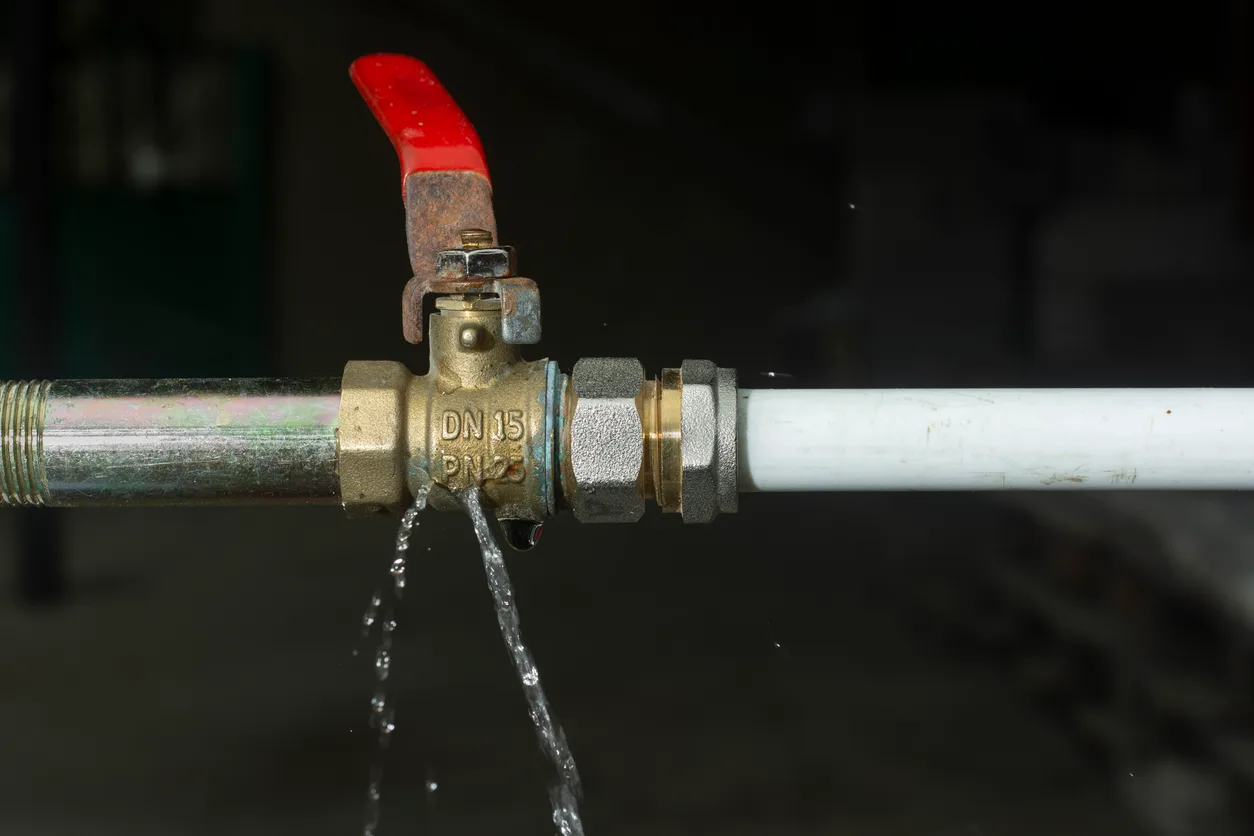
Pipe leak repair in an Arizona home: what you need to know.
Hard water and extreme heat make East Valley homes tougher on copper pipe than the national average. Here is what to expect when a leak is confirmed and repair is on the table.