That valve under your sink has not moved in 15 years. In Mesa water, that is a problem.
An angle-stop shutoff valve is a simple thing: a quarter-turn valve that isolates a single fixture from the rest of the house. It spends most of its life in the open position, doing nothing. In the East Valley, hard water is slowly depositing calcium and magnesium inside that valve body while it sits. When you finally need it — during a faucet swap, a leak, or an emergency — it either will not turn, or it turns and immediately starts leaking. That is the moment you realize the shutoff valve is the most important fixture in the room. Phend Plumbing replaces them before that moment arrives. Call (480) 388-6093.
Every sink, every toilet, every dishwasher, every ice maker, and every washing machine connection in your Mesa or Gilbert home has at least one shutoff valve (also called an angle-stop or fixture shutoff) between it and the rest of your water supply. These valves exist so you can isolate a single fixture without shutting down the entire house. The problem is that in the East Valley, they almost never get used. And hard East Valley water, at 12 to 22 grains per gallon in Mesa and 8 to 10 in Gilbert, deposits mineral scale inside the valve body every year the valve sits in the open position. That scale is why a valve that looked fine last year can fail the moment you try to use it. Phend Plumbing replaces worn and seized shutoff valves as a standalone service and as part of any fixture installation.
Why East Valley shutoff valves fail faster than homeowners expect
The mechanism of shutoff valve failure in hard water is gradual but nearly inevitable in the East Valley without a whole-home water softener.
Every time water passes through the valve body (which is constantly, since the valve is open), it deposits a thin film of calcium and magnesium carbonate on internal surfaces. The scale builds up over months and years on the valve stem, inside the packing, on the seat washer or ceramic disc, and on any rubber seals inside the valve. In Mesa water at 12 to 22 gpg or Gilbert water at 8 to 10 gpg, this buildup is significant enough after a decade to make several things happen.
First, the valve handle becomes stiff. The stem cannot rotate freely because scale has bonded it to the valve body. Second, if you force the handle and it does move, the scale can fracture under the torque and the broken mineral deposits press into the rubber seat, allowing water to weep past the closed valve. Third, in compression-style valves (common in pre-2005 East Valley construction), the rubber washer or packing nut may have hardened or deteriorated, and the act of closing the valve for the first time in years reveals a leak at the packing rather than a clean shutoff.
The practical result: a homeowner turns off the angle stop to swap a faucet, the valve moves a quarter turn, and then it starts dripping. Now the plumber cannot work on the faucet without first replacing the valve, which requires turning off water at the main. What was a one-hour faucet job becomes a two-step process.
Replacing shutoff valves proactively, or at the time of any fixture service, eliminates this scenario.
Which valves Phend replaces
Phend replaces the full range of residential and small-commercial shutoff valves.
Angle-stop valves: The most common residential shutoff valve. A 90-degree (angled) body with a compression or quarter-turn ball valve mechanism, connecting to a 3/8-inch or 1/2-inch water supply line and stepping down to a 3/8-inch outlet for a supply line. Found under kitchen and bathroom sinks, behind toilets, and at refrigerator ice maker and dishwasher connections. Quarter-turn ball valve angle stops are the modern standard and dramatically more reliable than the older compression-style stops.
Straight stop valves: The same principle as angle stops but with a straight-through body, used where the supply pipe comes straight out of the wall rather than from the floor. Common at washing machine shutoffs and some refrigerator connections in East Valley home layouts.
Washing machine shutoffs: Paired hot and cold valves at the laundry connection. These are turned off and on repeatedly with every laundry cycle in homes with single-lever shutoff valves, which makes them a higher-wear item. Homes where the washing machine hose failed and flooded the laundry room typically had a shutoff valve that either was not installed, could not be reached in time, or leaked when finally turned.
Main house shutoff: The valve that isolates the entire home from the municipal supply. In older Mesa and Tempe neighborhoods, original gate valves from the 1970s and 1980s are still in service and are prone to failure when fully closed. Replacing a gate valve with a ball valve is a worthwhile investment for any home where the main shutoff has not been confirmed functional. Phend handles main shutoff replacement along with fixture-level angle stops.
Quarter-turn ball valves vs older compression stops
If your home was built before 2000, there is a reasonable chance the angle stops under your sinks are original compression-style shutoff valves. The upgrade to quarter-turn ball valves is significant enough to warrant its own explanation.
Compression-style stops use a rubber washer that presses against a seat when the handle is turned. The rubber washer hardens and deteriorates over time, especially in hot East Valley garages where the water heater supply valves can see elevated ambient temperatures. A compression valve that starts leaking can often be re-packed, but in hard water conditions the seat also wears and eventually a re-pack is only a temporary fix.
Quarter-turn ball valves use a ball with a hole through the center, rotated 90 degrees to open or close. The mechanism has fewer parts, the seal is on the ball's exterior surface rather than on a rubber washer pressed against a seat, and the full-bore opening provides better flow with no restriction. Most importantly, a quality ball valve angle stop is nearly immune to the "frozen open" failure mode that compression stops exhibit in hard water, because the ball rotates smoothly regardless of mineral buildup on the valve body exterior.
Phend installs quarter-turn ball valve angle stops as the standard replacement for any fixture shutoff. When you are already paying for the visit, the difference in parts cost between a compression stop and a ball valve stop is a fraction of what a leak from a failed compression valve would cost.
When to replace shutoff valves proactively
The right time to replace a shutoff valve is before it fails, not during an emergency. Here are the situations when proactive replacement is clearly the right call.
During any fixture installation or repair: Any time Phend (or any plumber) is already working at a fixture, the shutoff valves serving that fixture should be turned off and inspected. If they do not close cleanly or re-open to full flow, replacement at the same visit is always more cost-effective than a separate call later.
If your home was built between 1980 and 2005 and the original valves have never been replaced: Homes in this vintage range across Mesa, Gilbert, Chandler, and Tempe frequently have original compression-style angle stops that have been in the open position for 20 to 40 years in hard water. These are not valves you want to discover are seized when a faucet is actively leaking.
Before a kitchen or bathroom remodel: A remodel is the worst time to discover that the shutoff valves cannot isolate the new fixtures. Replacing all fixture shutoffs before the finish work starts is standard pre-remodel plumbing prep and avoids interrupting the tile crew or the cabinet installer for an emergency main shutoff.
After any water damage event: If your home has had a leak from a fixture connection, Phend recommends inspecting all shutoff valves in the affected area during the repair. A valve body that has been exposed to standing water or has corroded on the outside is suspect on the inside.
Main shutoff valve and whole-house water isolation
The most important single valve in your home is the main shutoff. It is worth confirming it works before you need it in an emergency.
In East Valley homes served by Mesa or Gilbert water utilities, the main shutoff is typically located at the water meter and again inside or outside the home at the point where the main supply line enters. In many Mesa homes, this is a gate valve near the water heater or in the utility area.
Gate valves are the original main shutoff valve style in older East Valley construction. They work by threading a gate down across the flow path and are multi-turn valves that take several full rotations to close. Gate valves that have not been exercised in years can fail to fully close, can seize in the partially-open position, or can lose the stem packing and leak when finally turned.
Ball valve main shutoffs replace gate valves with a single quarter-turn operation and the same full-bore flow when open. Phend replaces old gate valve main shutoffs with ball valve assemblies when access and existing pipe condition allow. If you are not sure whether your main shutoff is a gate valve or a ball valve, or if it has not been tested recently, call (480) 388-6093 and schedule an inspection.
Call Phend Plumbing for shutoff valve replacement in Mesa and Gilbert
Phend Plumbing serves Mesa, Gilbert, Chandler, Tempe, Queen Creek, Scottsdale, and the broader East Valley for angle-stop replacement, main shutoff valve upgrades, and the full range of fixture shutoff valve service. If you are planning a fixture replacement, a bathroom remodel, or simply want to confirm your shutoff valves will work when you need them, call (480) 388-6093. We will assess the valves, give you a written estimate, and replace what needs replacing before the next repair turns into an emergency.
Common questions
How do I know if my shutoff valves need to be replaced?
There are three reliable indicators. First, the handle does not turn or takes significant force to move. This is the frozen-open failure mode caused by mineral scale buildup from hard East Valley water. Second, the handle turns but the valve drips at the packing nut or at the connection to the supply line when it is in the closed position. Third, when you open the valve after it has been closed, the flow is restricted compared to before. Any of these indicates the valve has reached the end of its service life and should be replaced. Phend Plumbing inspects shutoff valves as part of any fixture service at no additional charge and will tell you which valves are worth replacing now versus later. Call (480) 388-6093.
What type of shutoff valve should I have in my East Valley home?
The current standard for residential fixture shutoff valves is a quarter-turn ball valve angle stop. Ball valve angle stops are more reliable than older compression-style stops in hard water conditions because the mechanism does not rely on a rubber washer pressed against a seat. In East Valley hard water (Mesa 12 to 22 gpg, Gilbert 8 to 10 gpg), compression valve rubber washers deteriorate and harden faster than they do in softer water markets. A quarter-turn ball valve angle stop is the replacement Phend installs for any residential fixture connection. The parts cost difference is small, and the reliability difference is significant over a 15-year service life.
Can Phend replace just one shutoff valve, or do you require a minimum visit scope?
Phend can replace a single shutoff valve. There is no minimum fixture count. That said, if you are having one valve replaced because it failed during a faucet swap or a toilet reset, it is worth having Phend check the other valves serving that bathroom or kitchen while they are already there. If two more valves in the same room are also seized or corroded, replacing them at the same visit costs a fraction of scheduling a second call. Phend will give you a written quote on any additional valves before touching them. The decision is yours.
What happens if a shutoff valve fails and I cannot stop the water?
If an angle stop fails and will not close, go to the next shutoff up the chain, which is either a zone valve (if your home has them) or the main house shutoff. The main house shutoff is typically at the water meter or where the main line enters the home near the water heater. Turning that off stops all water flow to the house. Once the water is stopped, call Phend at (480) 388-6093. A stuck or failed angle stop is not an emergency that requires an after-hours call in most cases, but a valve that fails during a repair and cannot be isolated requires the main to stay off until the angle stop is replaced. Phend can schedule same-week service for this type of call in most cases.
How long does a shutoff valve replacement take?
A single angle-stop valve replacement at an accessible under-sink location takes about 20 to 30 minutes, including turning off the main supply, removing the old valve, installing the new quarter-turn ball valve, reconnecting the supply line, restoring water, and testing for leaks. If multiple valves in the same location are being replaced at once, the total time is longer but not proportionally so, since the main shutoff is already off. A main house shutoff valve replacement is a slightly larger job depending on the pipe access and condition, but is typically completed in one visit.
Replace the valve before it fails. It is always cheaper that way.
East Valley hard water seizes shutoff valves that have never moved. Phend Plumbing replaces angle stops and main shutoff valves across Mesa, Gilbert, and the East Valley before they become the reason a simple faucet swap turns into a flooded kitchen. Quarter-turn ball valves installed standard. Written estimate before any work starts.
- Quarter-turn ball valve angle stops installed standard
- All fixture shutoffs checked during any fixture service
- Main house shutoff valve inspection and upgrade
- Same-visit replacement during any faucet or toilet service
Pete on shutoff valves, hard water, and East Valley leak prevention.
Short reads on why East Valley hard water seizes shutoff valves, when to replace proactively, and the maintenance habits that actually prevent water damage.
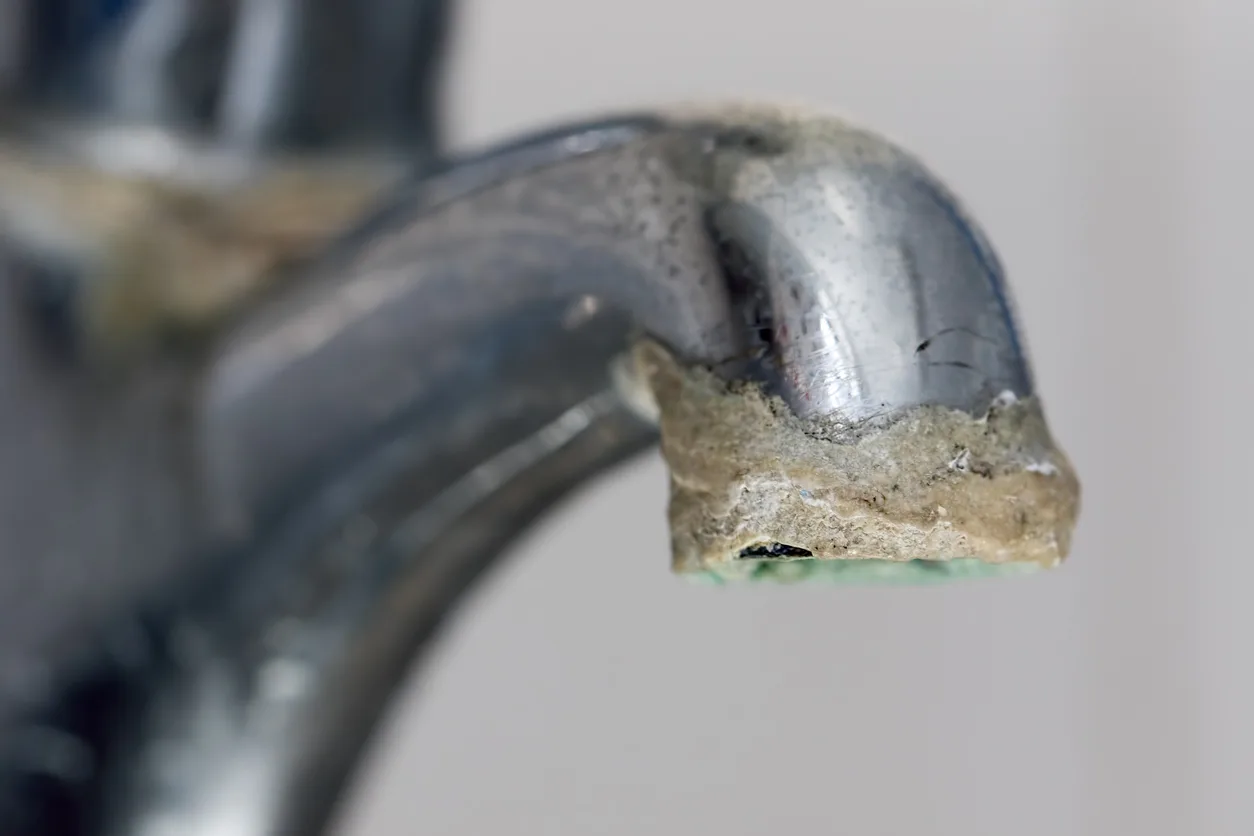
Can hard water cause long-term damage to your plumbing?
Mesa and Gilbert hard water slowly seizes shutoff valves and packs mineral scale into angle-stop bodies. Pete explains what that hardness costs homeowners over time.


Essential plumbing maintenance tips every homeowner should know.
Hard water and Arizona heat stress every valve and fixture in your home. Pete covers what to check, when, and what to do before a seized shutoff valve becomes a flooded kitchen.
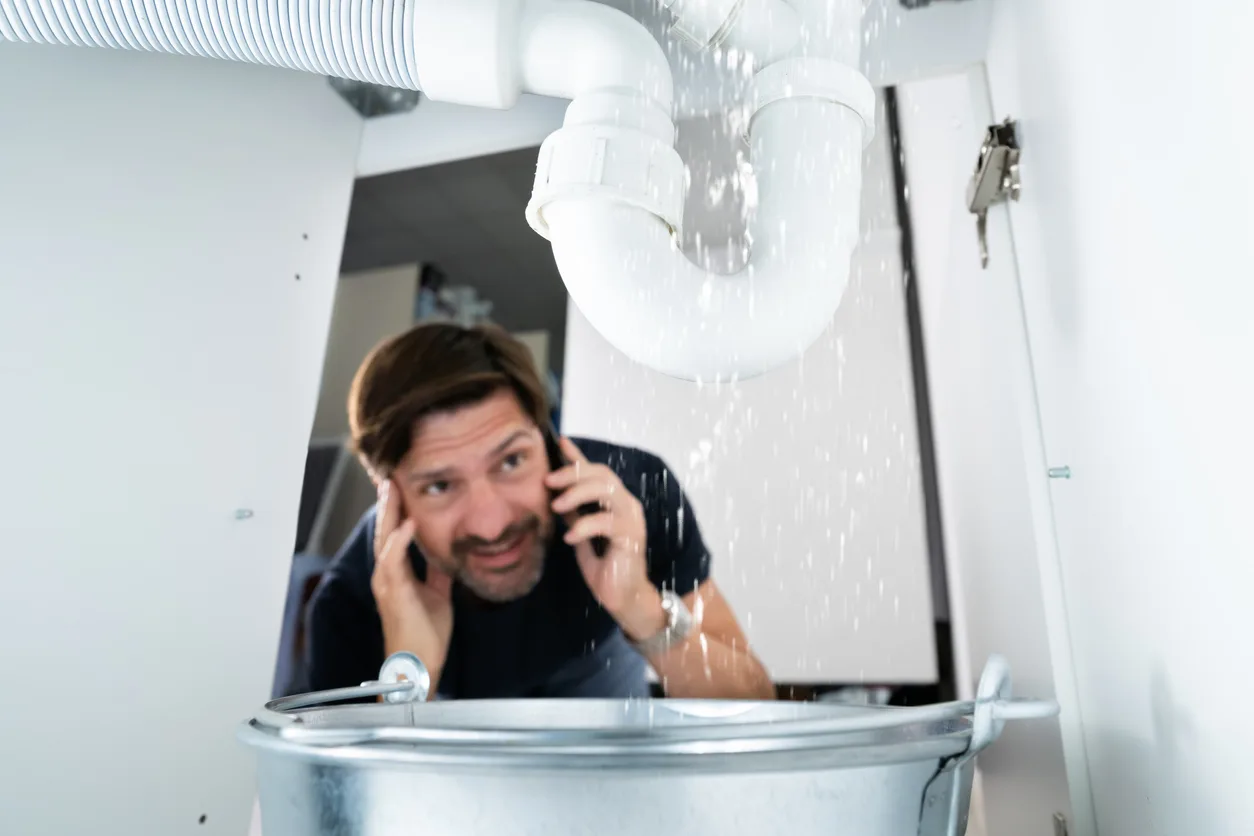
Top plumbing tips to keep your home leak-free.
Most plumbing leaks in East Valley homes are preventable. Pete covers the shutoff valve checks, supply line inspections, and proactive replacements that actually stop leaks before they start.